
Doorphone Magic: Revolutionizing Safety & Simplifying Life

Welcome to the age of smart homes and enhanced security systems! In this article, we will dive deep into the world of doorphones and learn how these devices can make our lives safer and more convenient. With the ever-growing need for security and technology combined, doorphones are quickly becoming a must-have for modern living. So, let’s not waste any time and get started, shall we?
The Doorphone: An Overview
What is a doorphone?
A doorphone, also known as an intercom or entry phone, is a two-way communication device that allows people to speak with visitors at their door before granting entry. This innovative system provides an extra layer of security and convenience, ensuring that only authorized individuals can enter the premises.
The history of doorphones
Doorphones have been around for quite some time, with the earliest models dating back to the late 19th century. Since then, technological advancements have transformed the humble doorphone into a sophisticated security device that’s a staple in modern homes and commercial buildings alike.
Technologies Used in Doorphones
Doorphones utilize various technologies to provide secure, efficient, and user-friendly access control solutions. Some of the key technologies employed in doorphones include:
SIP (Session Initiation Protocol)
SIP is a signaling protocol used for initiating, maintaining, and terminating real-time communication sessions, such as voice and video calls. In doorphones, SIP enables seamless two-way communication between the user and the visitor, allowing for a secure and efficient interaction process.
RTSP (Real-Time Streaming Protocol)
RTSP is a network control protocol used for streaming media servers, such as video and audio. In the context of doorphones, RTSP facilitates the transmission of live video feeds from the outdoor unit’s camera to the indoor unit’s display or a connected mobile device. This technology ensures smooth, high-quality video streaming and efficient bandwidth usage.
Mifare
Mifare is a contactless smart card technology commonly used in access control systems. In doorphones with keyless entry, Mifare-enabled cards or tokens can be used to gain authorized access by simply tapping them on the doorphone’s card reader. This provides a convenient and secure way for users to enter the premises without the need for physical keys.
NFC (Near Field Communication)
NFC is a short-range wireless communication technology that allows data exchange between devices within a close proximity. In doorphones, NFC can be utilized for keyless entry and virtual keys, allowing users to unlock doors using their NFC-enabled smartphones or wearable devices. This technology adds an extra layer of convenience and security, as it eliminates the need for carrying physical keys or access cards.
Types of Doorphones
Audio doorphones
These doorphones only offer audio communication between the visitor and the occupant, allowing you to speak with the person at your door without physically opening it. Audio doorphones are a more affordable option for those looking to add an extra layer of security to their home.
Video doorphones

Video doorphones are a step up from audio doorphones, as they include a built-in camera that allows you to see the person at your door. This added feature not only enhances security but also provides a higher level of convenience, especially when dealing with unknown visitors or deliveries.
Essential Components of a Doorphone Video System
A doorphone video system typically consists of the following components:
Outdoor unit
Door Entry Panels
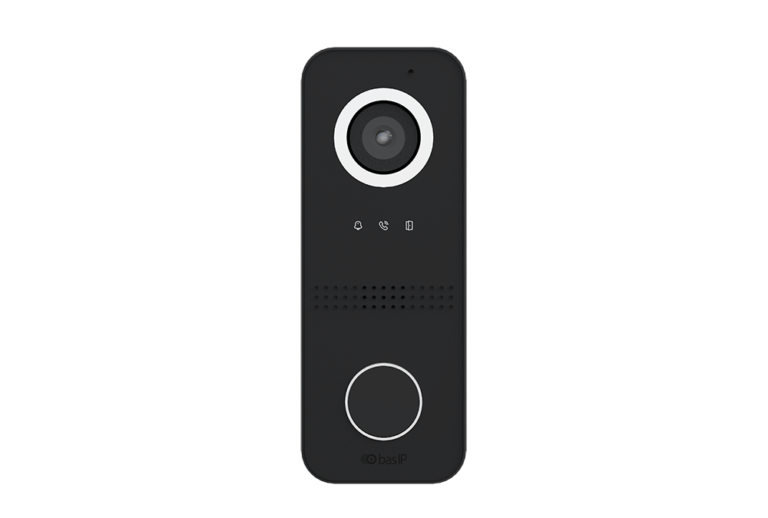
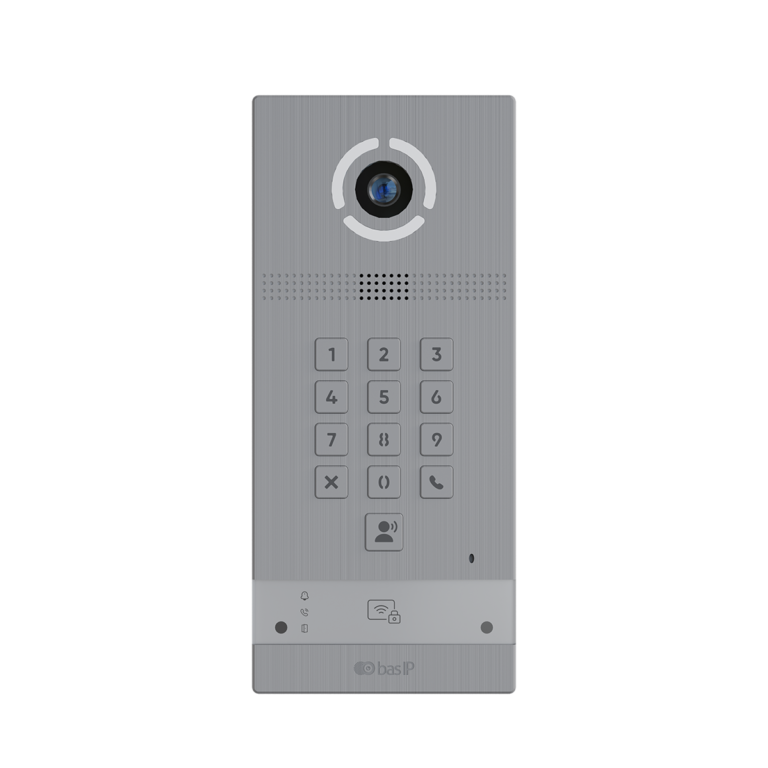
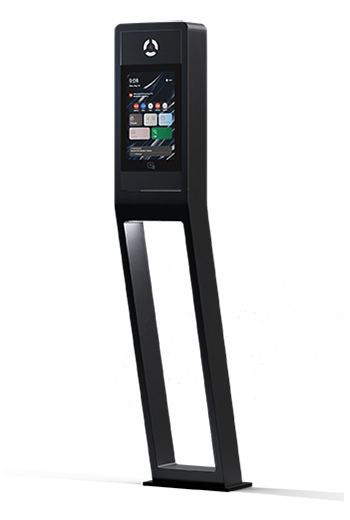
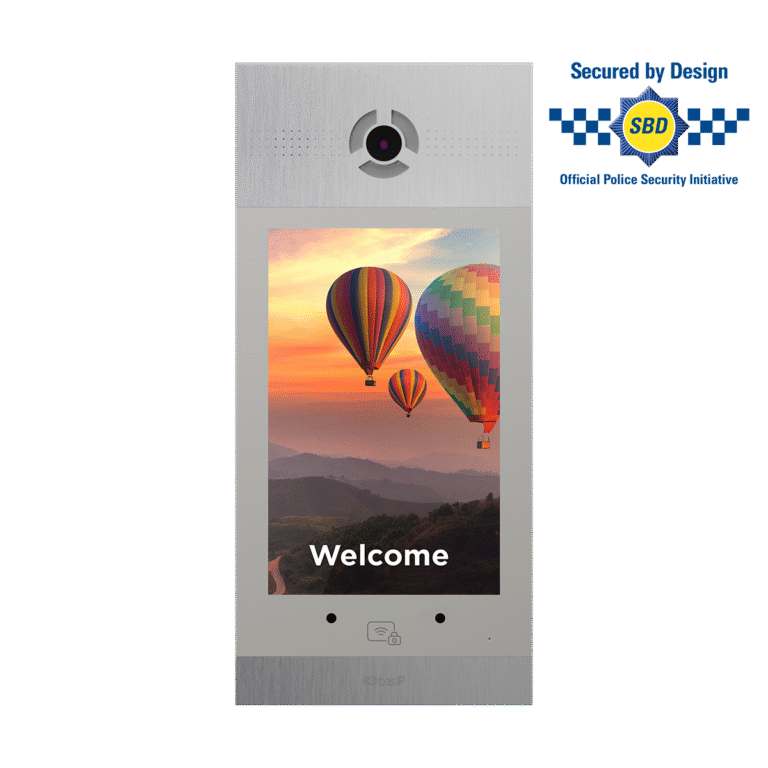
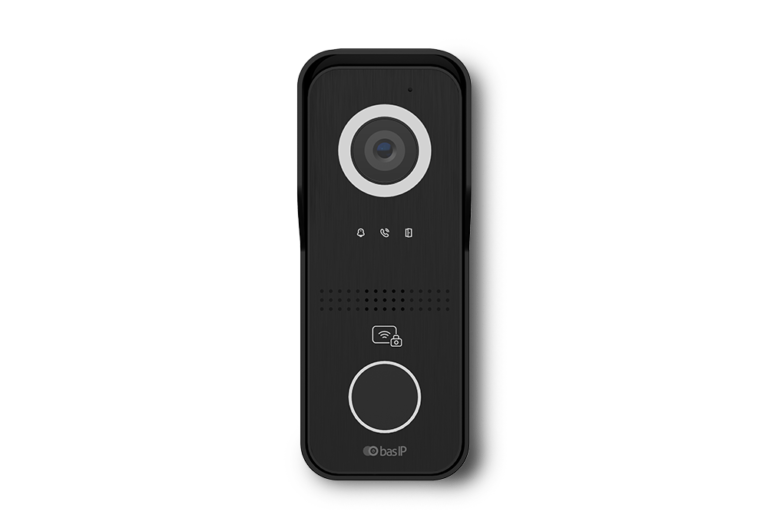
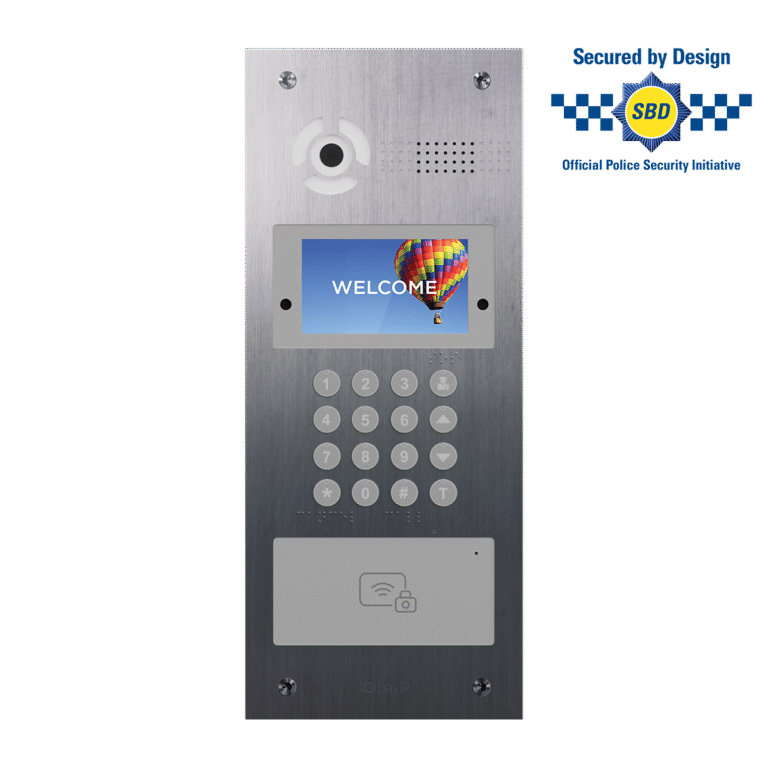
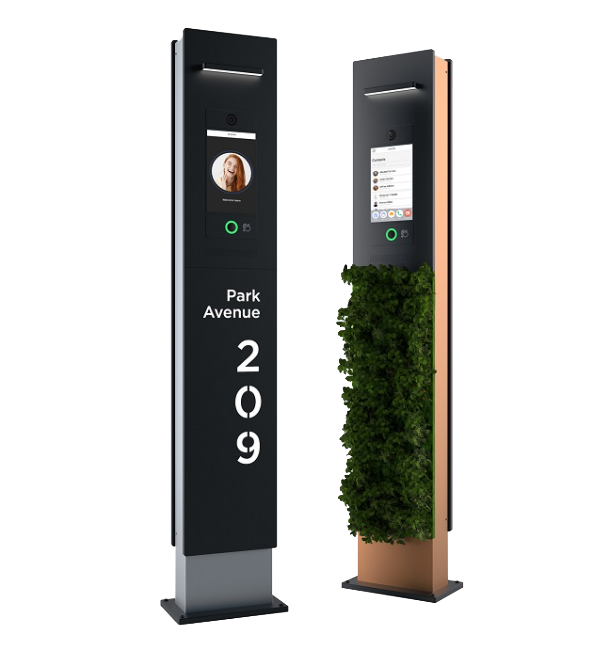
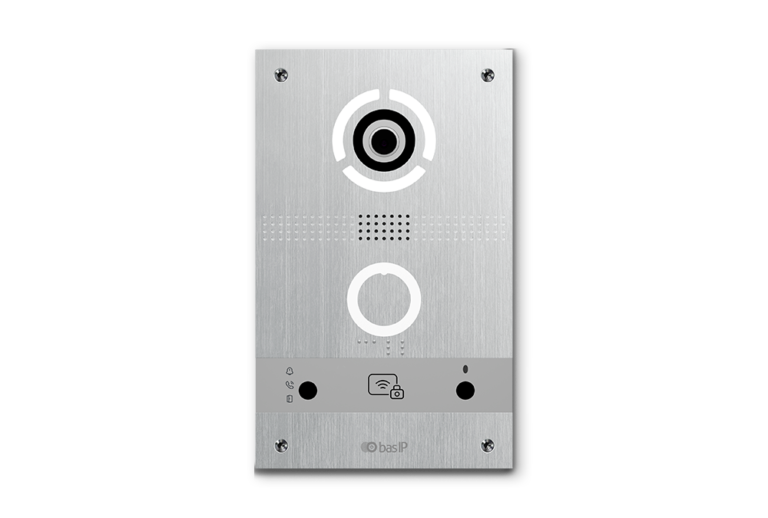
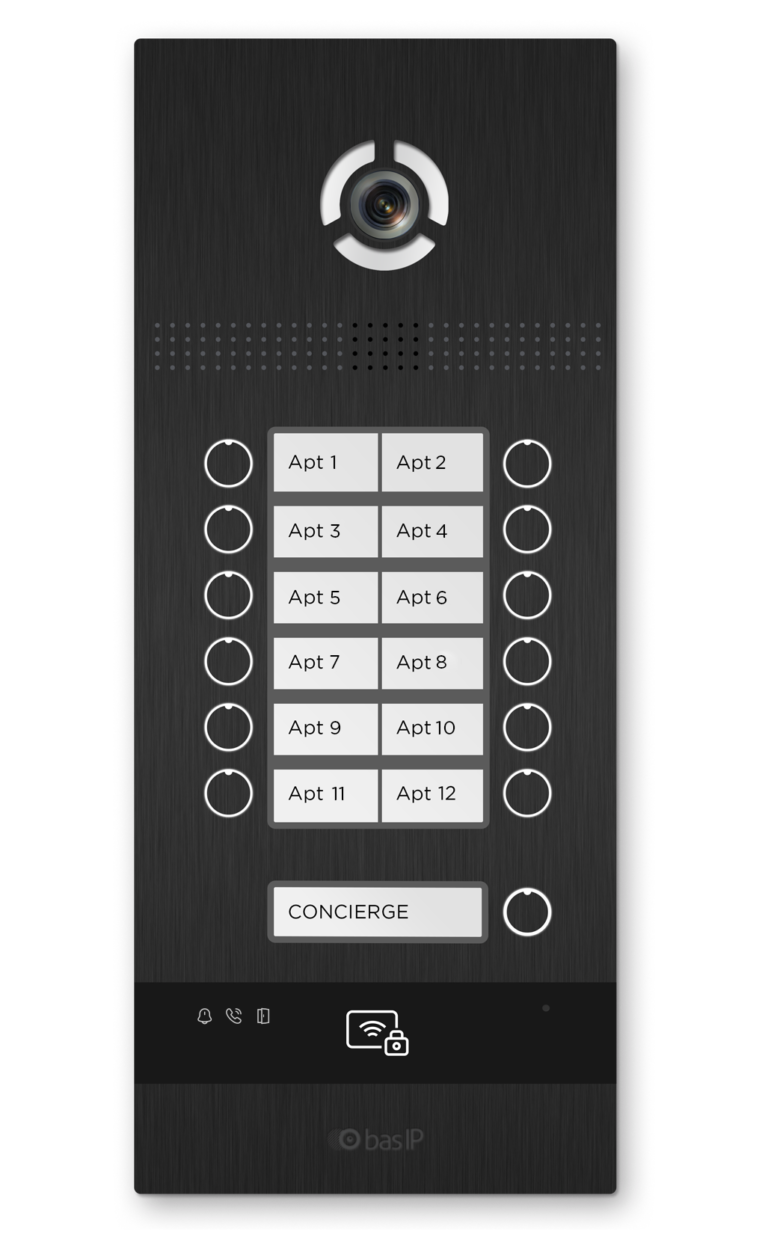
The outdoor unit is installed outside your door and includes a camera, microphone, speaker, and a call button. The camera captures video of your visitor, while the microphone and speaker enable two-way communication between you and the visitor.
Indoor unit
Indoor Stations
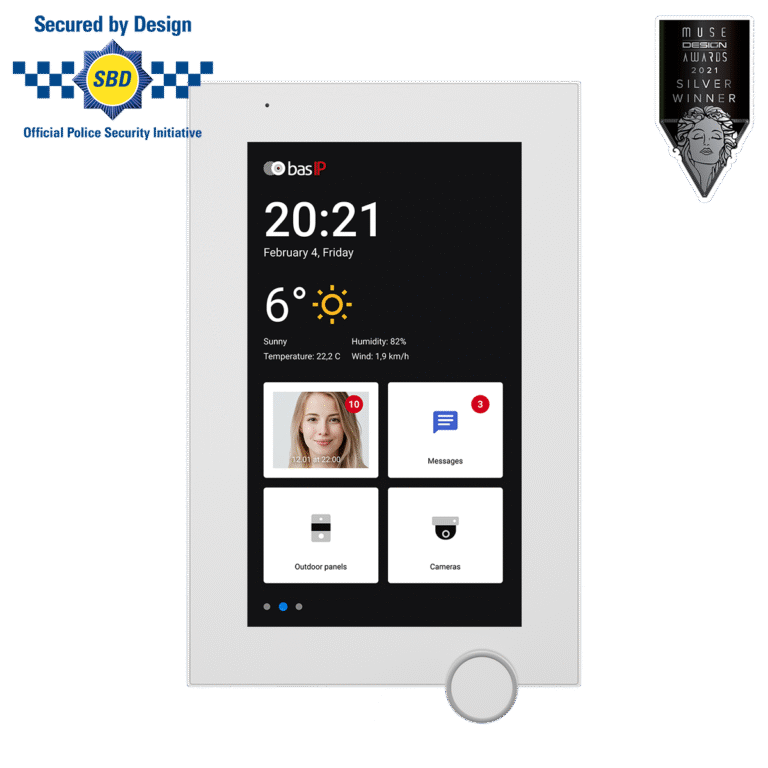
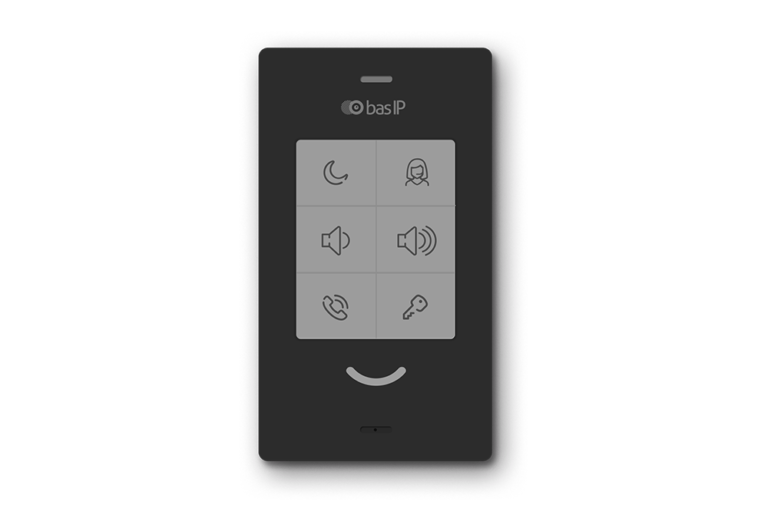
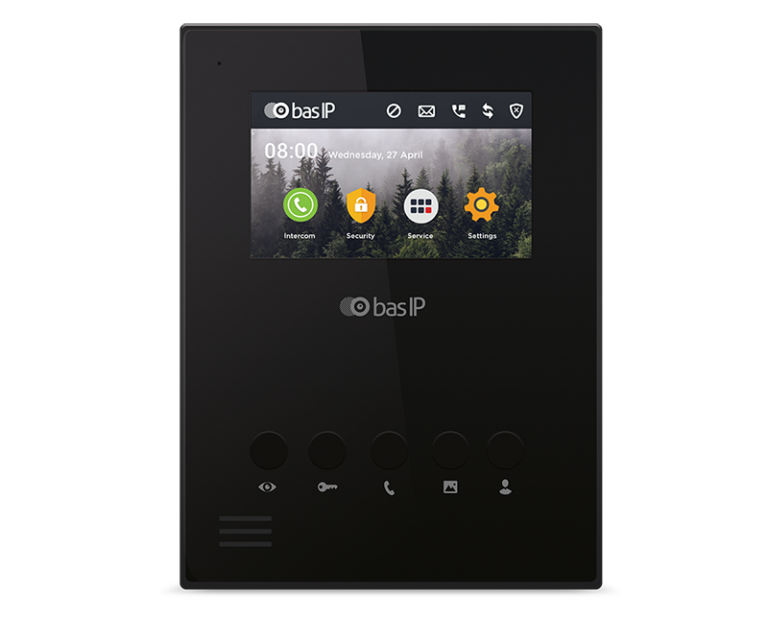
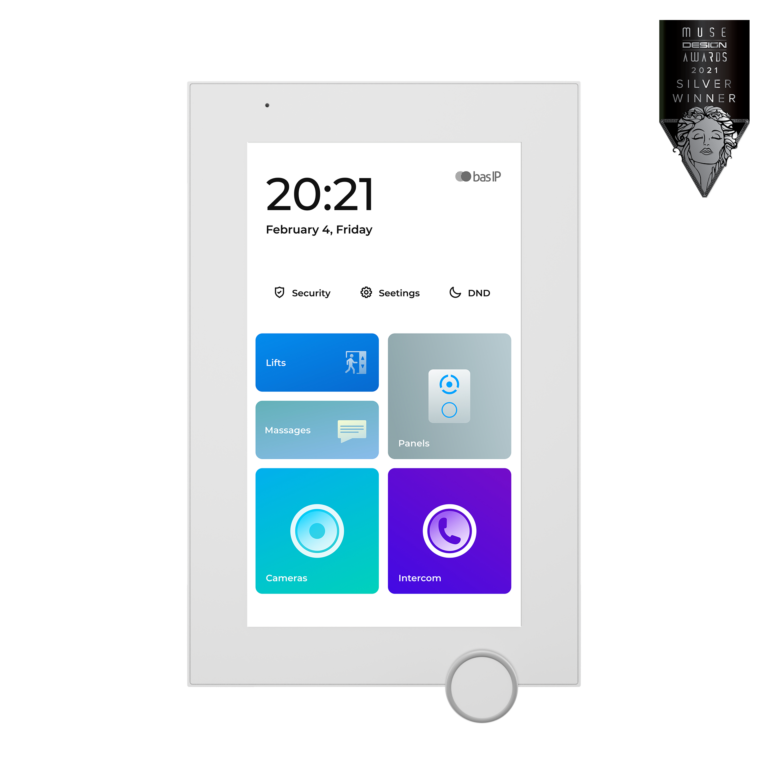
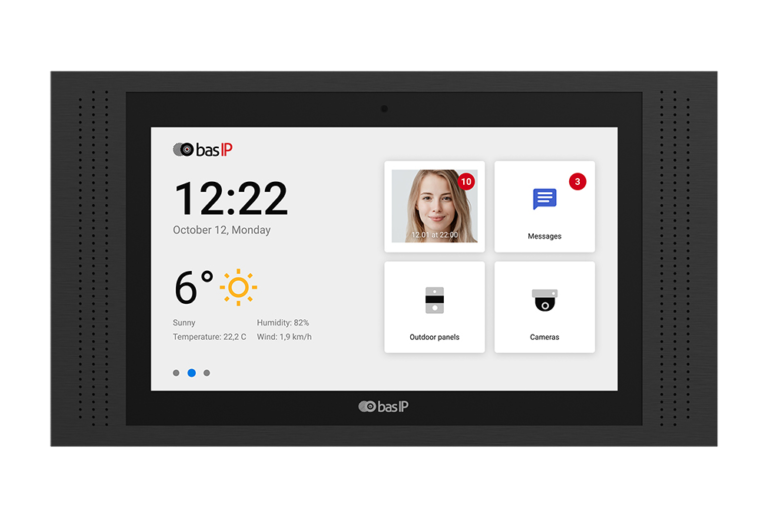
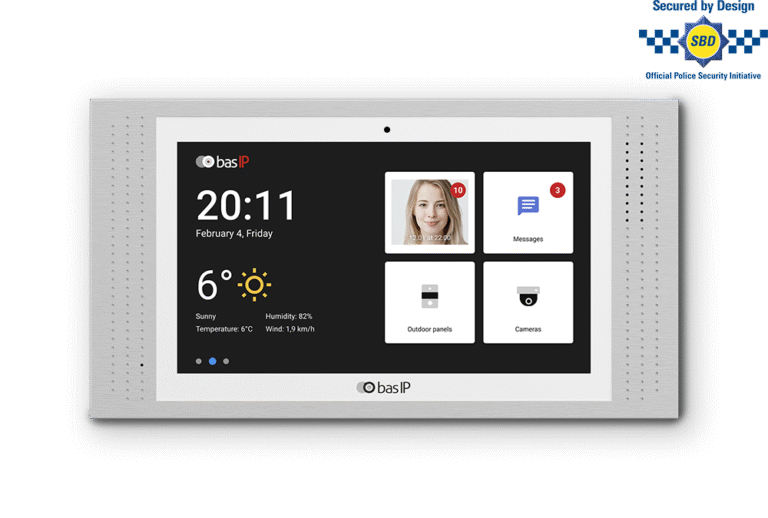
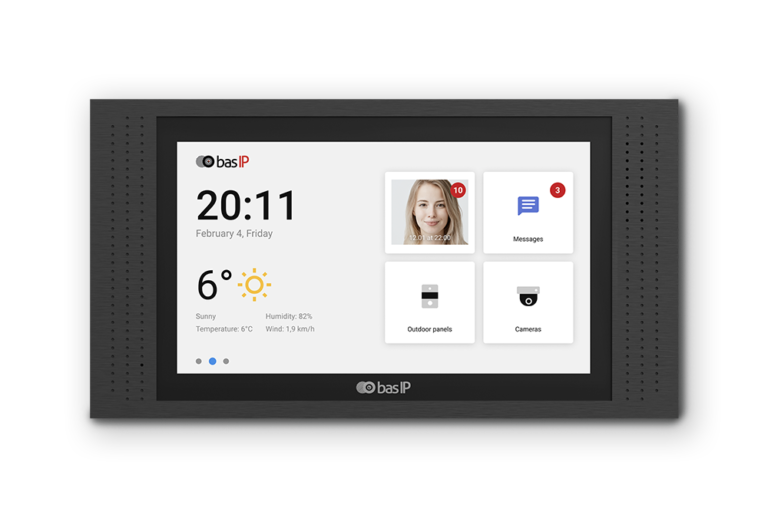
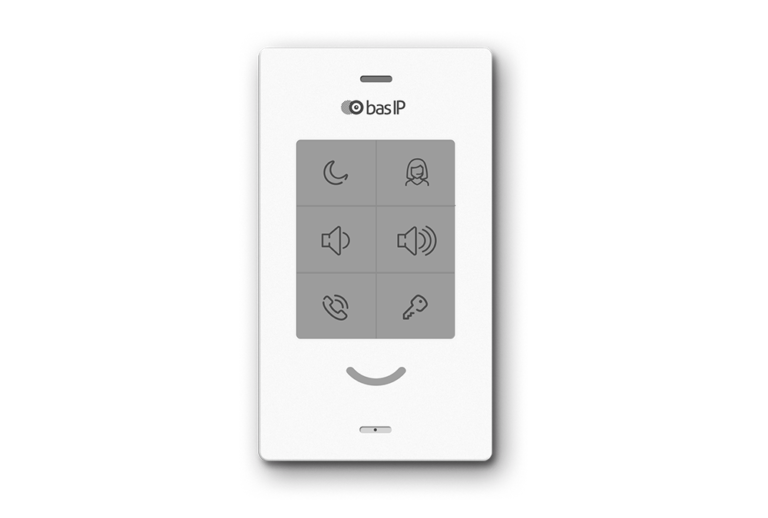
The indoor unit, also known as the monitor, is installed inside your home or office. It features a screen that displays the live video feed from the outdoor unit, along with controls to enable two-way communication, unlock the door, and adjust settings.
Power supply
The doorphone video system requires a power source (or, in case of doorphone IP, POE switch), which may be connected to your home’s electrical system or, in some cases, powered by batteries.
Wiring
Doorphone video systems can be wired or wireless. Wired systems require cables to connect the outdoor and indoor units (CAT5 for IP doorphones), while wireless systems use radiofrequency or Wi-Fi to transmit data between the two units.
Doorphone Features to Look Out For
High-definition video
As technology continues to advance, so does the quality of video doorphones. Look for models with high-definition video capabilities to ensure crisp, clear images that can help you better identify visitors.
Wide-angle lens
A doorphone with a wide-angle lens will provide a larger field of view, allowing you to see more of the area outside your door. This feature is particularly useful if you have a larger entrance or need to monitor multiple entry points.
Night vision
Night vision capabilities in a doorphone are essential for monitoring your property in low-light conditions. With night vision, you can identify visitors and assess potential threats even in complete darkness.
Mobile app integration
Many doorphones now offer mobile app integration (both iOS and Android), allowing you to control and monitor your doorphone system remotely. This feature can be extremely convenient, especially if you’re away from home and need to grant access to a visitor or delivery person.


Smart home compatibility
If you have a smart home system, look for doorphones that can integrate seamlessly with your existing setup. This will allow you to control your doorphone alongside your other smart home devices for a unified, streamlined experience.
Doorphones Comparison Chart
| Brand | Doorphone IP | Keyless Entry | Virtual Keys | Mobile App | Elevator Control | Indoor Video Phones |
|---|---|---|---|---|---|---|
| Viking | No | No | No | No | No | No |
| Samsung | No | No | No | No | No | Yes |
| Panasonic | No | No | No | Yes | No | No |
| BAS-IP | Yes | Yes | Yes | Yes | Yes | Yes |
Installing a Doorphone
DIY installation
For those who are handy with tools and have some technical know-how, installing a doorphone can be a DIY project. However, it’s essential to carefully follow the manufacturer’s instructions to avoid damaging the device or compromising its functionality.

Professional installation
If you’re not comfortable with DIY installation or have a more complex doorphone system, it’s best to hire a professional to handle the job. This will ensure your doorphone is installed correctly and functioning optimally.
Maintaining Your Doorphone
Regular cleaning
Keep your doorphone clean by wiping down the camera lens, microphone, and speaker regularly. This will help ensure optimal performance and prolong the device’s lifespan.
Periodic inspection
Conduct periodic inspections of your doorphone system to identify any signs of wear or damage. Addressing these issues promptly can prevent more significant problems down the line and keep your doorphone in good working order.
Click here if you want to know more tips about doorphone maintenance.
Conclusion
A doorphone is an invaluable addition to any home or commercial building, providing an extra layer of security and convenience. With a wide range of features and options available, you can find the perfect doorphone to suit your needs and budget. Whether you’re looking for a simple audio doorphone or a state-of-the-art video doorphone with smart home integration, there’s a solution out there for you. So, go ahead and give your home the upgrade it deserves with a doorphone that fits your lifestyle.