
Virtual Intercom Revolution: 7 Ways It’s Changing Communication Forever
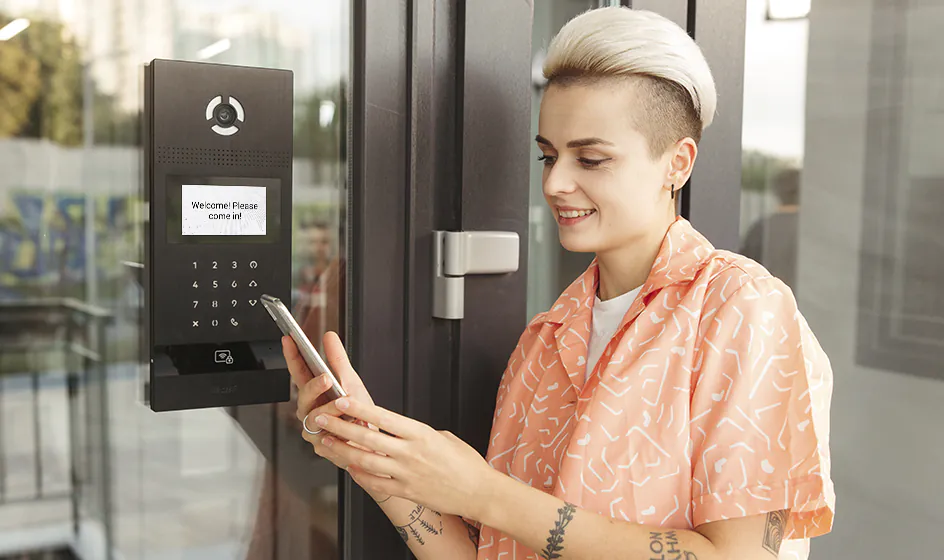
In an era where technology is seamlessly integrating into every facet of our lives, the virtual intercom stands out as a beacon of innovation. These advanced communication tools are not just a modern replacement for traditional intercoms; they’re reshaping how we think about connectivity and security in our homes and businesses.
Table of Contents
Historical Context
Before the rise of the virtual intercom, traditional intercoms dominated the scene. These devices, often wired and limited in functionality, served as basic communication tools between different rooms or buildings. However, as technology evolved, so did our need for more advanced, flexible, and integrated communication solutions.
What is a Virtual Intercom?
A virtual intercom is a digital communication system that leverages internet connectivity to facilitate voice, video, and data transmission. Unlike its predecessors, it offers:
Features and Benefits of Virtual Intercoms
- Remote Access and Control: These systems empower users to receive calls from entrance panels and view live video feeds from any location, ensuring both convenience and heightened security.
- Doors and Gate Opener App: A standout feature, this allows users to remotely grant access to visitors by opening gates or doors, striking a balance between accessibility and security.
- Push Notifications: Efficient and power-saving, intercom systems integrated with mobile apps send push notifications, activating only when a call is received. This ensures real-time updates without draining resources.
- Multi-Space Support: Certain advanced systems can manage multiple spaces, enabling users to oversee several flats or offices via a single app.
- Guest Pass Creation: Some systems offer the ability to generate guest passes, which can be in the form of QR codes, PINs, URLs, or even vehicle Licence Plate. This innovative feature simplifies visitor access management and bolsters security.
- Cross-Platform Compatibility: A significant advantage of these systems is their compatibility across platforms. With dedicated apps for both iOS and Android, users can experience the benefits of mobile intercom systems irrespective of their device preference.
Moreover, with the rise of mobile credentials, users can now use their smartphones or tablets as keys, further enhancing the convenience and security of virtual intercom systems.
How Virtual Intercoms Work
Virtual intercoms, a leap from traditional intercom systems, harness the power of the internet and modern technology to offer enhanced communication capabilities. Unlike their wired predecessors, virtual intercoms provide a more flexible, scalable, and feature-rich solution. But how do they manage to achieve this?
1. Internet Protocol (IP) Based Communication
At the heart of a virtual intercom is its reliance on Internet Protocol (IP). This means that, instead of using traditional wired connections, virtual intercoms use the internet or local networks to transmit voice, video, and data. This IP-based communication allows for:
- High-Quality Audio and Video: Digital transmission ensures clearer audio and sharper video feeds.
- Scalability: Easily add more devices to the network without extensive rewiring.
- Flexibility: Connect from various devices, including smartphones, tablets, and computers.
2. Integration with Smart Devices
One of the standout features of virtual intercoms is their ability to integrate with smart devices. Through dedicated apps or web interfaces, users can:
- Access the Intercom Remotely: Whether you’re in a different room or a different country, you can access and use your virtual intercom via the internet.
- Receive Real-time Notifications: Get instant alerts for incoming calls, security breaches, or system updates.
- Store and Review Data: Some advanced systems allow users to store video feeds or call logs, enabling them to review or monitor as needed.
3. Enhanced Security Features
With the integration of cameras and advanced sensors, virtual intercoms can double as security systems. Features might include:
- Real-time Video Feed: Monitor entrances or specific areas in real-time.
- Motion Detection: Some intercoms can detect motion and alert users or start recording.
- Encryption: Digital communication can be encrypted, ensuring that the data transmitted is secure from potential eavesdroppers.
4. Connectivity Options
While virtual intercoms primarily use Wi-Fi or wired Ethernet connections, some models also offer cellular connectivity. This ensures that the system remains operational even if the primary internet connection is down.
5. Cloud and Local Storage
Many virtual intercom systems provide options for cloud storage, allowing users to store recorded audio and video feeds on remote servers. This not only ensures data safety but also allows for easy access from anywhere. Alternatively, some systems offer local storage solutions, storing data on local servers or memory cards.
Importance of App Integration with Virtual Intercoms
Table: Benefits of App Integration
| Feature | Traditional Intercom | Virtual Intercom with App |
|---|---|---|
| Remote Access | ❌ | ✅ |
| Real-time Notifications | ❌ | ✅ |
| Multi-device Sync | ❌ | ✅ |
| Video Feed | Limited | High-Definition |
App integration elevates the virtual intercom experience. With apps, users receive real-time notifications, access the system remotely, and enjoy a host of other advanced features.
Popular Virtual Intercom Systems in the Market
Among the frontrunners in this domain are brands like BAS-IP, Fermax, Comelit, and ButterflyMX.
| Feature | BAS-IP | Fermax | Comelit | ButterflyMX |
|---|---|---|---|---|
| Remote Call Receiving | ✓ | ✓ | ✓ | ✓ |
| Open Gates & Doors | ✓ | ✓ | ✓ | ✓ |
| Push Notifications | ✓ | – | ✓ | – |
| Multi-Space Support | ✓ | – | – | – |
| Create Guest Passes | QR codes, PINs, Links | – | – | PINs only |
| Review Video Recordings | – | – | ✓ | – |
| Call Internal Devices | ✓ | ✓ | ✓ | ✓ |
| Physical Device Support | ✓ | ✓ | ✓ | – |
Use Cases and Applications
Virtual intercom systems, with their advanced features and integrations, have found applications in a myriad of settings. Let’s explore some of the prominent use cases and applications of these innovative systems.
1. Residential Buildings
- Home Security: Virtual intercoms allow homeowners to see and communicate with visitors at their doorstep, ensuring they only grant access to known individuals.
- Package Deliveries: Residents can communicate with delivery personnel remotely, providing instructions or even remotely unlocking gates or doors for package drop-offs.
- Guest Management: With features like guest pass creation, residents can provide temporary access to visitors, ensuring security without compromising on convenience.
2. Commercial Establishments
- Office Buildings: Virtual intercoms facilitate communication between different floors or departments. They also enhance security by ensuring only authorized personnel can access certain areas.
- Retail Stores: These systems can be used to communicate between different sections of large stores or to provide entry access to delivery personnel in the back office or storage areas.
- Hotels: Virtual intercoms can be integrated with room booking systems, allowing guests to check-in, communicate with the front desk, or request services.
3. Educational Institutions
- Campus Security: Virtual intercoms can be installed at various entry and exit points, ensuring only authorized individuals, such as students or staff, can access the premises.
- Classroom Communication: In larger institutions, these systems can facilitate communication between different classrooms or between classrooms and administrative offices.
- Emergency Alerts: In case of emergencies, virtual intercoms can be used to broadcast alerts or instructions across the campus.
4. Healthcare Facilities
- Patient Rooms: Virtual intercoms allow healthcare professionals to communicate with patients without needing to enter the room, especially beneficial in isolation wards or during pandemics.
- Access Control: These systems can restrict access to sensitive areas like operation theaters, ensuring only authorized personnel can enter.
- Visitor Management: Virtual intercoms can manage visitor access, ensuring patients receive only approved visitors and at designated times.
5. Parking Garages and Lots
- Entry and Exit: Virtual intercoms can be integrated with ticketing systems, allowing communication with drivers and remote access control.
- Security: With video capabilities, these systems can monitor and record activities, deterring potential threats or vandalism.
6. Public Transport Stations
- Information Desks: Virtual intercoms can be installed at information kiosks, allowing passengers to communicate with staff for queries or assistance.
- Emergency Communication: In case of disruptions or emergencies, these systems can be used to provide real-time updates or instructions to passengers.
Conclusion
Virtual intercom systems, transcending their primary role as communication tools, have become integral components in the security and operational efficiency of various environments, from homes to large-scale commercial establishments.
The rise of virtual intercoms is a testament to the growing need for enhanced security and convenience in our interconnected world. Their ability to integrate with mobile apps, offer video capabilities, and provide remote access has revolutionized the way we perceive and manage access to our spaces. Whether it’s a homeowner remotely granting entry to a guest, an office building ensuring only authorized personnel access sensitive areas, or a hospital managing patient and visitor interactions, the applications are vast and transformative.
Brands like BAS-IP, Fermax, Comelit, and ButterflyMX, as highlighted in our exploration, are at the forefront of this revolution, each bringing unique features and benefits to the table. Their innovations not only set industry standards but also pave the way for future advancements in this domain.
Furthermore, the versatility of virtual intercom systems, as evidenced by their diverse use cases, underscores their adaptability and relevance in today’s world. From residential security to campus-wide communication in educational institutions, their utility is undeniable.
However, as with all technologies, it’s essential to stay updated and informed. As virtual intercom systems continue to evolve, users must be aware of the latest features, benefits, and potential challenges to make the most of their investments.
In conclusion, virtual intercom systems are not just a fleeting trend; they represent a paradigm shift in communication and security. As we move forward, it’s clear that these systems will play an even more pivotal role, further embedding themselves into the fabric of our daily lives, making our spaces more secure, connected, and efficient.
FAQs
How do virtual intercoms differ from traditional ones?
They offer app integration, remote access, and enhanced security features.