
Residential Intercom Systems: Your Ultimate Guide to a Safer Home
Residential Intercom Systems, a once luxury item, has now become an indispensable part of our homes. These systems allow for seamless communication between different rooms, provide added security, and increase the overall convenience of managing our living spaces.
Given the rising need for enhanced security and efficient communication within residential spaces, enterphone systems are playing a crucial role. They not only provide an extra layer of security but also enhance the functionality and comfort of homes.
This comprehensive guide aims to delve into the world of residential intercom systems, exploring their working, benefits, types, installation, and maintenance. We’ll also take a peek into the future trends of this innovative technology.
Understanding Residential Intercom Systems
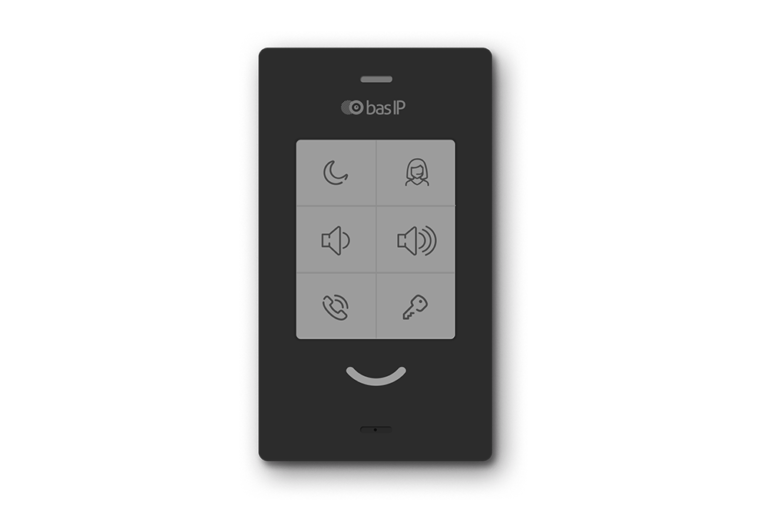
Door Entry Panels
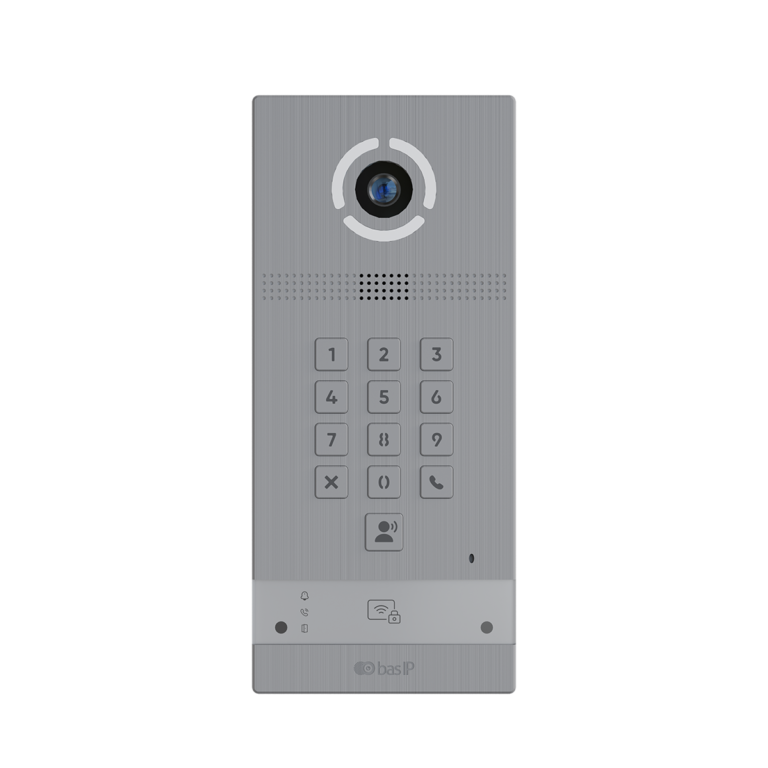
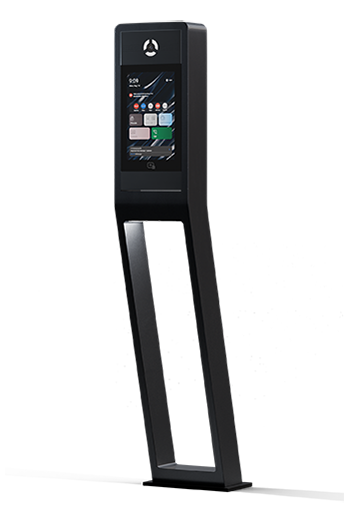
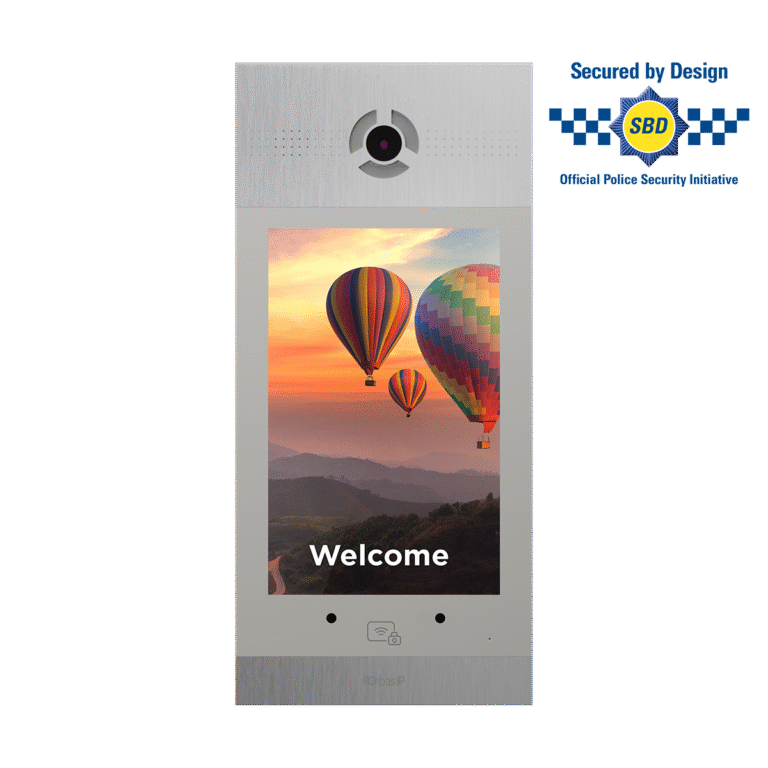
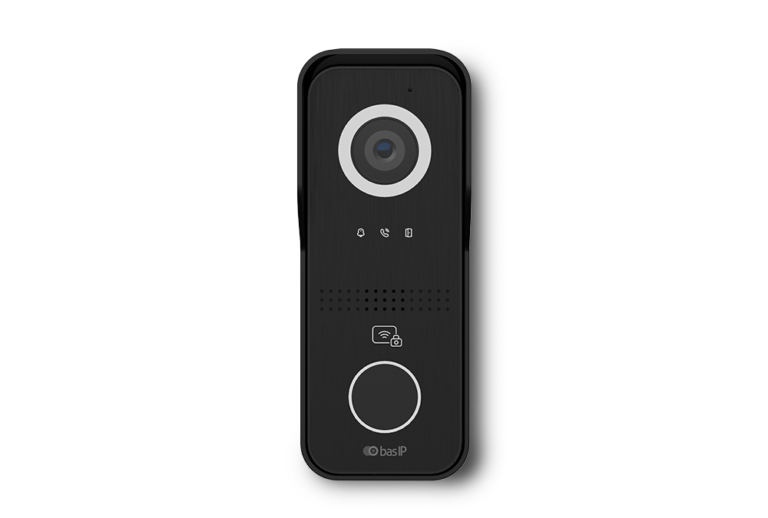
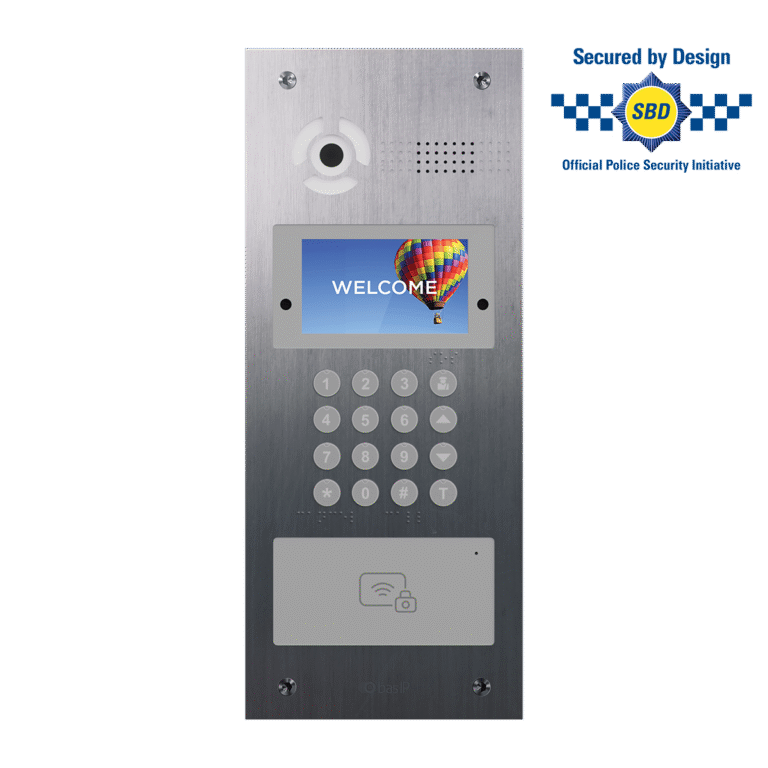
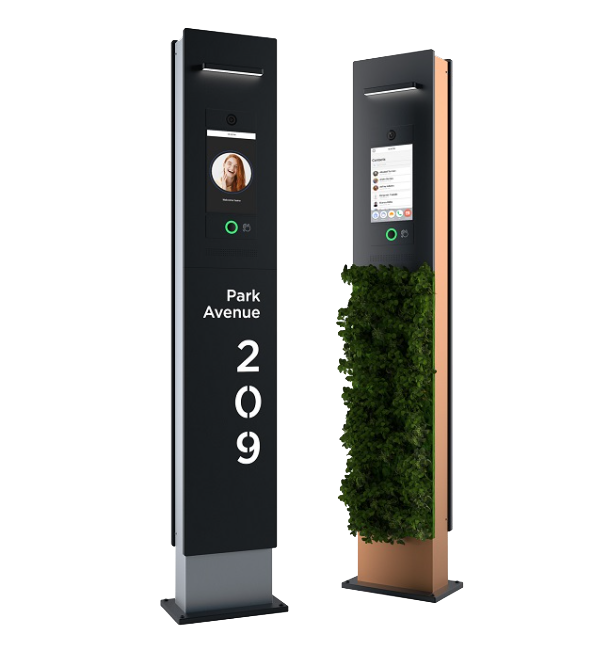
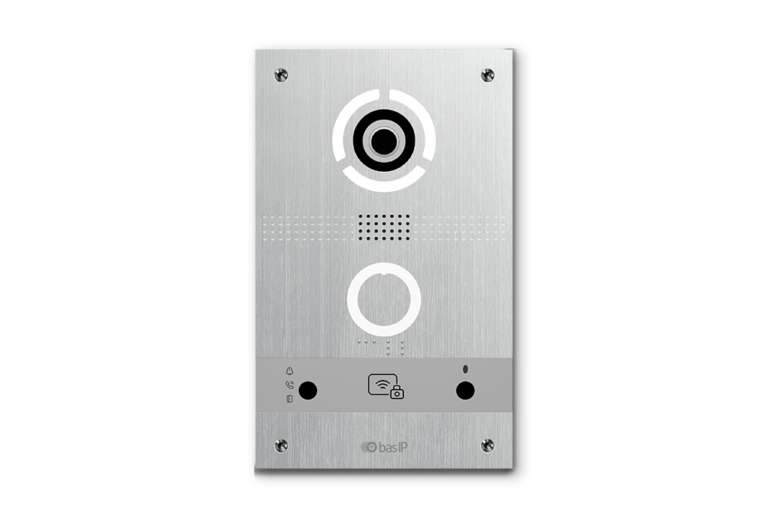
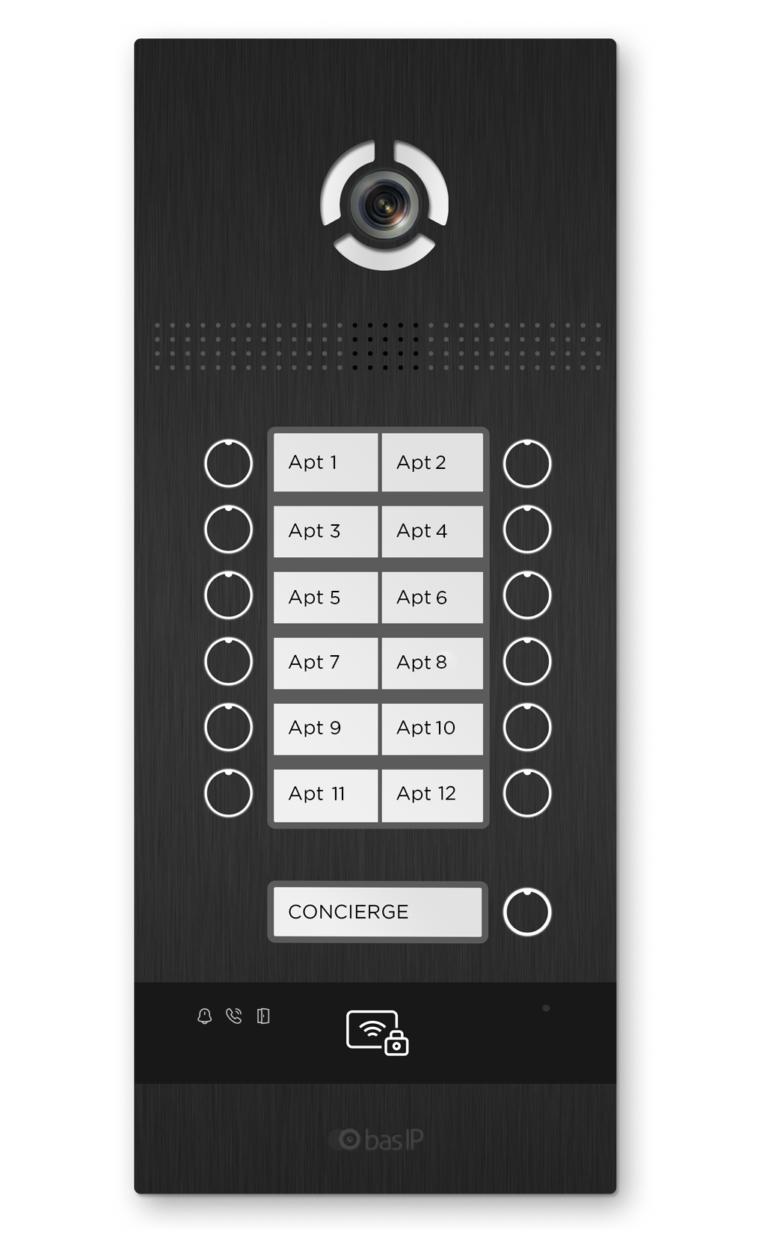
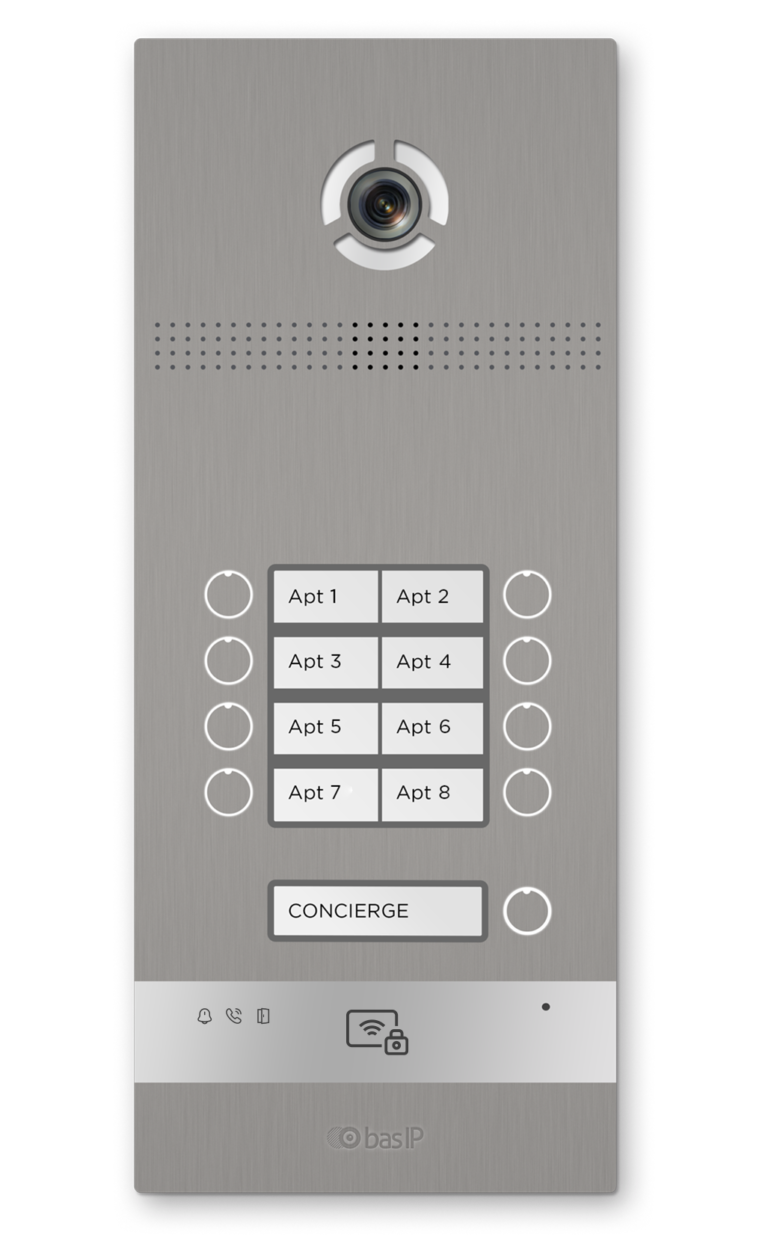
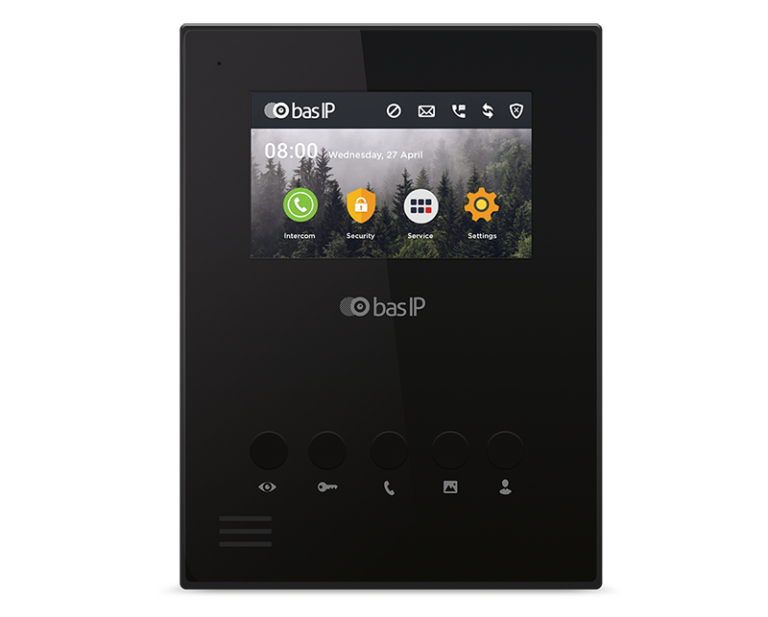
Residential 2 way intercom systems are communication devices installed within a home that allow for voice (and sometimes video) communication between different rooms or spaces.
Intercom systems have come a long way since their inception. Early models were simple audio systems, and now we have sophisticated full duplex video intercoms with smart features.
Types of Residential Intercom Systems
| Types | Description | Features |
|---|---|---|
| Wired Intercoms | Connected via a physical wire | Reliable, Less prone to interference |
| Wireless Intercoms | Use radio waves for communication | Easy installation, Portability |
| Video Intercoms | Provide both audio and visual communication | Enhanced security |
Advantages of Having a Residential Intercom System
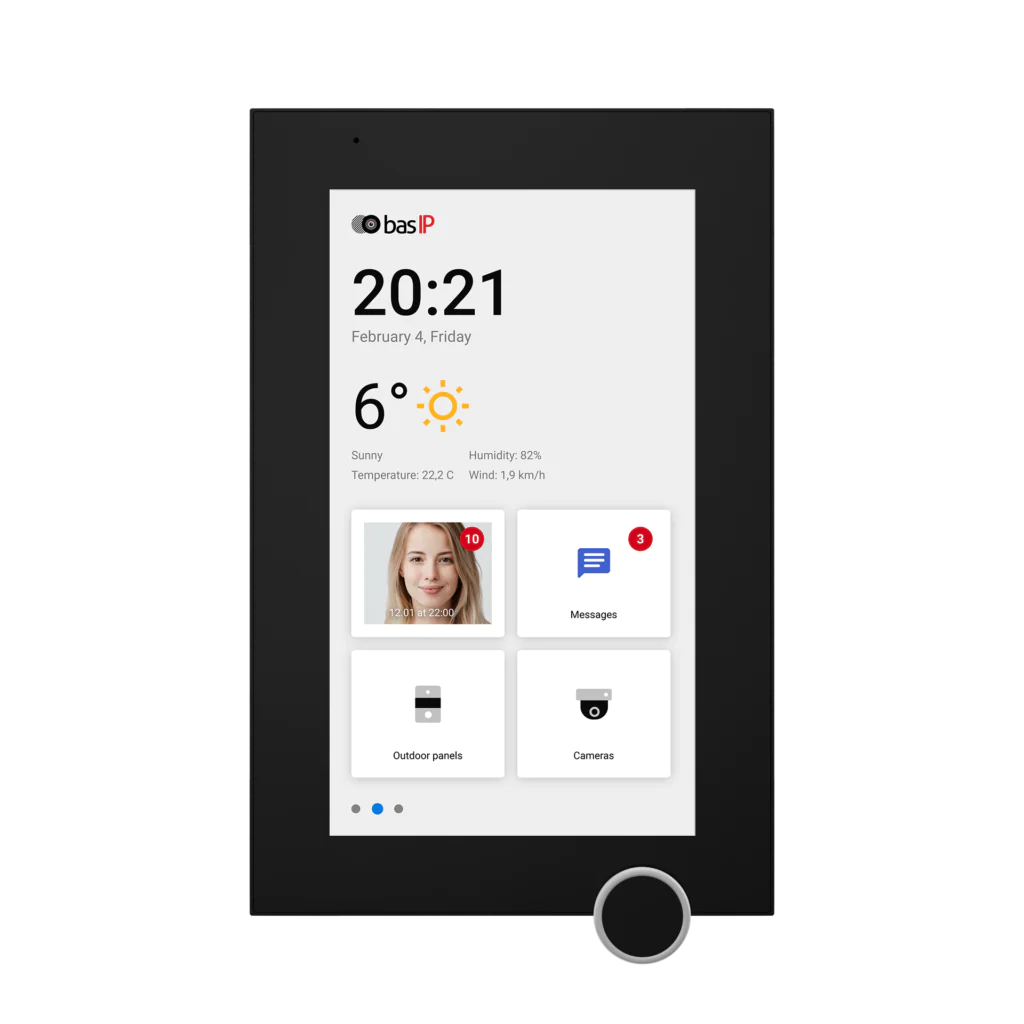
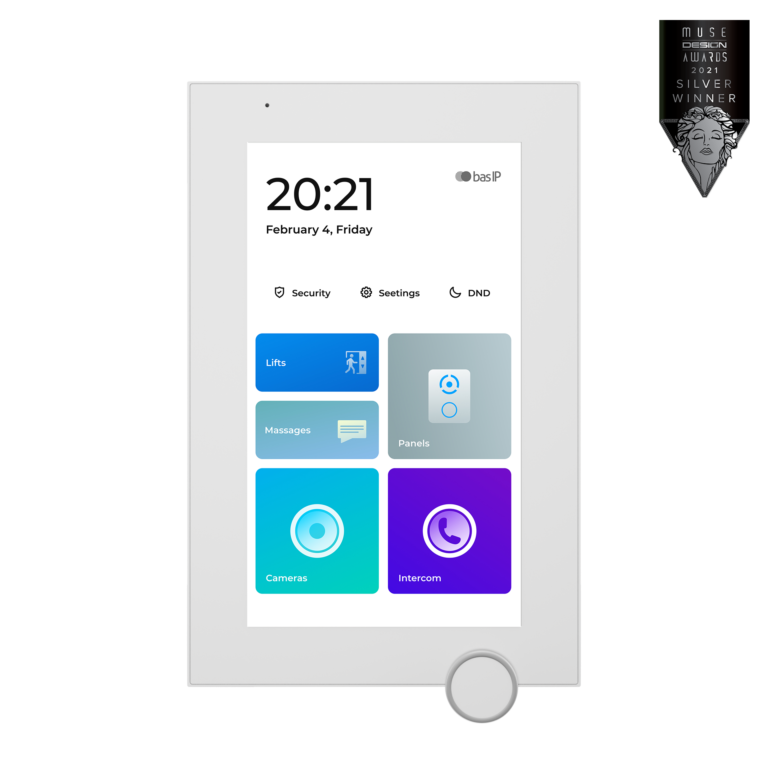
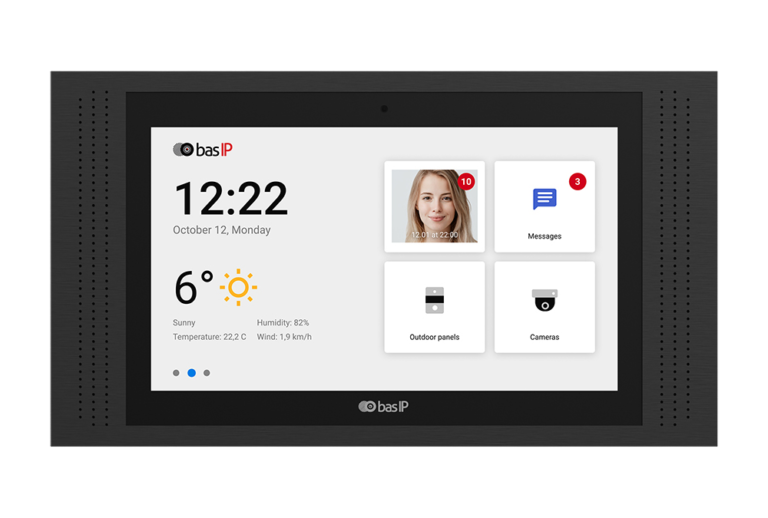
Indoor Stations
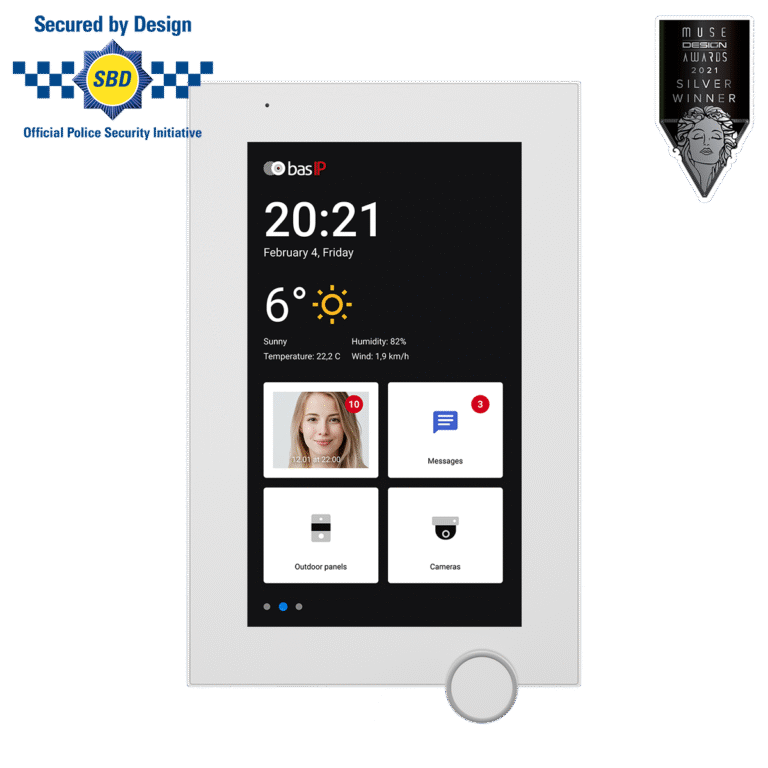
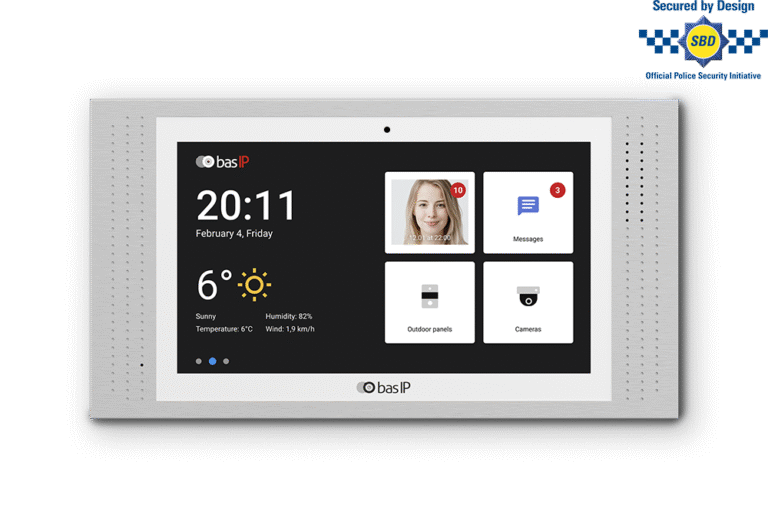
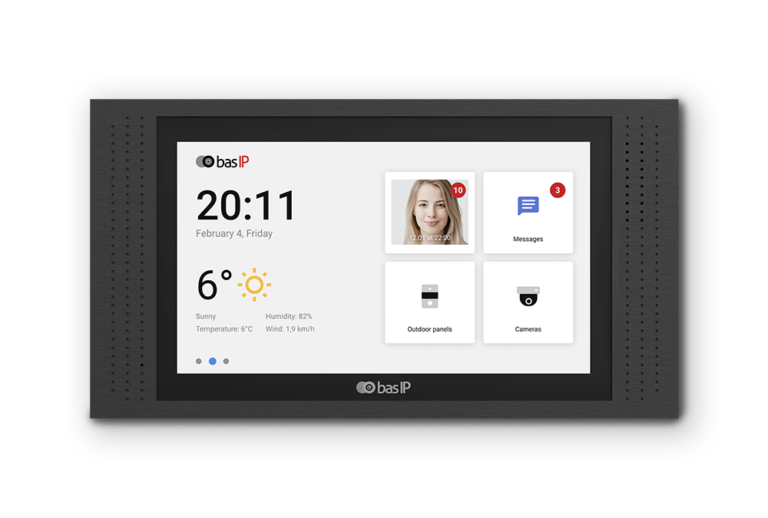
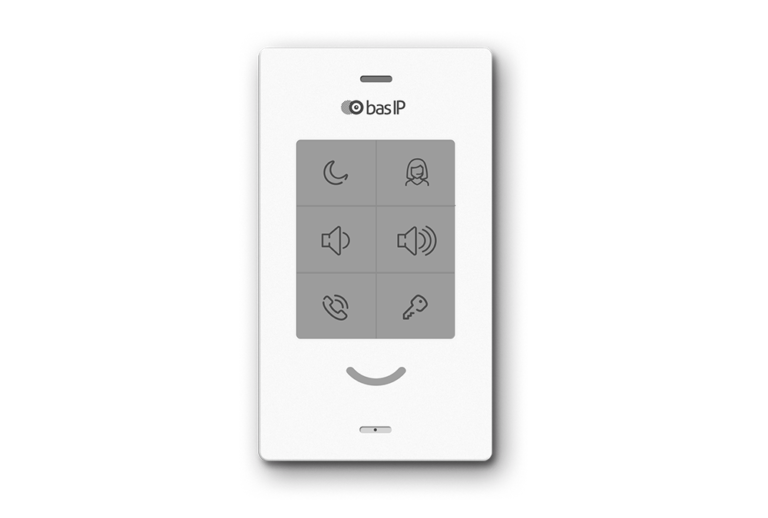
Safety and Security
Residential intercom systems offer enhanced security by allowing you to verify the identity of visitors without opening your door.
Convenience
Whether you’re announcing dinner or checking on your kids, residential intercom systems make communication within large homes a breeze.
Communication Efficiency
Intercom systems make intra-house communication simple and efficient, eliminating the need for yelling across rooms or floors.
Expandable Intercom System
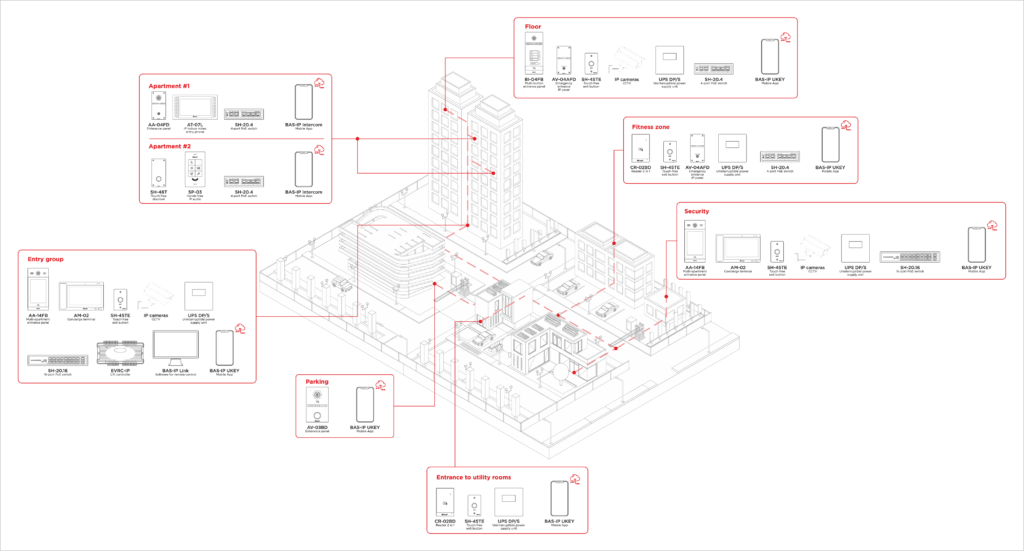
In the realm of residential communication systems, the BAS-IP intercom system stands out due to its expandability and advanced features. This system is based on the Session Initiation Protocol (SIP), a signaling protocol used for initiating, maintaining, modifying, and terminating real-time sessions that involve video, voice, messaging, and other communications applications. The BAS-IP intercom system’s SIP-based architecture allows for seamless integration with various devices and platforms, offering a high degree of flexibility. Whether you’re looking to connect a single unit or an entire apartment complex, the system can be expanded to meet your specific needs. Its user-friendly interface and robust functionality make it an excellent choice for modern residential settings.
Increased Property Value

Residential intercom systems can significantly contribute to the value of a property. This is especially true in the current real estate market, where buyers are increasingly interested in homes that offer advanced security features and smart home capabilities.
Here’s how a 2 way intercom system can increase the value of your property:
- Added Security: A residential intercom system increases the security of a home by allowing homeowners to verify the identity of visitors before granting access. This added layer of security is an attractive feature for potential buyers and can increase the desirability of your property.
- Modern Appeal: Properties with modern amenities, like intercom systems, are considered more appealing. Today’s buyers are looking for homes that incorporate technology to increase comfort and convenience.
- Smart Home Ready: If your intercom system is integrated with other smart home features, it can make your home more attractive to buyers who are interested in smart home technology. Homes that are smart home ready often sell at a premium compared to similar homes without these features.
When it comes to real estate metrics, residential properties with intercom systems tend to have a higher ‘price per square foot’ compared to properties without them. Also, these properties might spend less time on the market because of their appeal to buyers looking for advanced security and smart home features.
How to Choose the Right Residential Intercom System
Factors to Consider
- Cost: Your budget will determine the type and sophistication of the system you can afford.
- Installation process: Consider whether you’re comfortable with a DIY installation or prefer a professional service.
- Features: Look for features like video capability, touchscreen, or smart home compatibility.
- Size of the property: Larger homes may require more complex systems.
- Compatibility with other devices: If you have a smart home, ensure the intercom system can integrate seamlessly.
Tips for Choosing the Right Vendor
Choosing the right intercom supplier for your residential intercom system is as important as selecting the system itself. Here are some key points to consider:
- Reputation: Check out the vendor’s standing in the market. You can look for online reviews or ask for recommendations from friends or family who have installed intercom systems. A reputable vendor will have a track record of delivering high-quality products and services.
- Quality of Products: The vendor should offer products that are durable and reliable. Check if they provide warranties for their products as this can be a good indicator of quality.
- Variety of Products: A good vendor will offer a range of products with different features to cater to varied needs. Whether you need a simple audio intercom or a complex video intercom system, they should be able to provide options.
- Customer Service: Look for a vendor that provides excellent customer service. They should be able to guide you through the selection process, answer your questions promptly, and provide after-sales support.
- Installation Services: Check if the vendor offers professional installation services. Proper installation is crucial for the functionality of the intercom system, so having experts do the job can save you from potential issues down the line.
- Pricing: Pricing should be competitive, but remember that the cheapest option isn’t always the best. It’s better to invest a bit more in a high-quality system from a reputable vendor than to save a few bucks and end up with a subpar system.
- Technological Advancements: The vendor should be up-to-date with the latest trends and advancements in the field of intercom systems. This will ensure that you’re getting a modern system with the latest features.
Remember, the goal is to find a vendor that delivers quality, provides excellent customer service, and offers a product that matches your specific needs.
Installation of Residential Intercom Systems
DIY versus Professional Installation

While DIY installation can save costs, professional installation ensures proper setup and functionality.
General Installation Process for Wired and Wireless Systems
For both wired and wireless systems, you’ll need to install units in each room, connect them (via wires or through a wireless connection), and test the system.
Things to Consider When Installing
Always plan your installation process, avoid areas with high moisture or heat, and make sure to test each unit after installation.
Maintenance and Troubleshooting of Residential Intercom Systems
Regular Maintenance Tips
Regular maintenance, cleaning, checking the wiring (for wired systems), and periodic system testing can help keep your intercom system in top shape.
Common Issues and How to Troubleshoot Them
Common issues include static noise, weak signal, or non-functioning units. Most of these can be resolved by checking connections, resetting the system, or replacing batteries.
When to Call a Professional
If basic troubleshooting doesn’t resolve the issue, or if there’s a major system failure or wiring problem, it’s best to call in professional help.
Future of Residential Intercom Systems
Current Trends
Current trends in residential intercom systems include smart technology integration, high-definition video intercoms, and voice-controlled systems.
Future Trends and Innovations
Future trends may include AI-driven security features, even more seamless smart home integration, and advanced customization options.
How These Trends Will Improve Residential Living
These advancements in residential intercom systems will further enhance home security, convenience, and communication efficiency, making our homes safer and more comfortable.
Conclusion
As we’ve seen, residential intercom systems offer numerous benefits, from increased safety to improved communication within your home. Given the current advancements and the promising future trends, investing in a residential intercom system is a wise decision for any homeowner seeking to enhance their home’s security and convenience. Ensure to choose a system that best fits your needs, considering factors such as cost, features, and compatibility with other devices. With proper installation and regular maintenance, your intercom system will serve you well for years to come.