
America’s Top Elevator Companies: Soaring High and Beyond
When it comes to elevating your experience, choosing the right elevator brand is of utmost importance. The United States is home to some of the world’s most reputable elevator manufacturers, providing quality, innovation, and reliable service. In this comprehensive guide, we will explore the top elevator companies in the USA, what sets them apart from the competition, and delve into the most popular and largest brands in the industry. We’ll also provide a helpful chart to compare the leading companies, answer frequently asked questions, and offer a conclusion to help you make an informed decision.
Table of Contents
Big 4 Elevator Companies
Otis Elevator Company
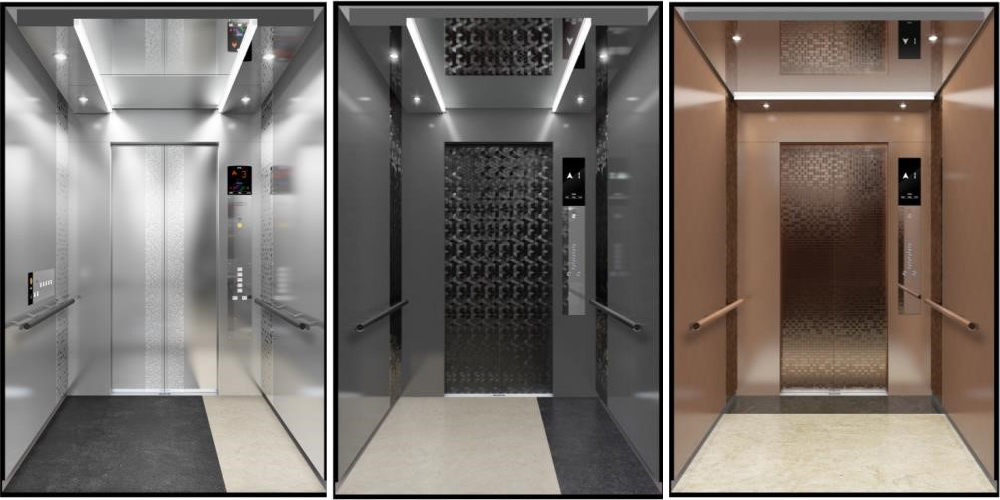
Established in 1853, the Otis Elevator Company is the world’s largest and one of the most well-known elevator brands. It specializes in designing, manufacturing, and maintaining elevators, escalators, and moving walkways. Otis stands out with its commitment to innovation, advanced technology, and sustainability.
Schindler Elevator Corporation
Founded in 1874, Schindler is a leading global elevator manufacturer with a strong presence in the USA. The company offers a wide range of solutions for commercial, residential, and industrial buildings, including elevators, escalators, and moving walks. Schindler is known for its cutting-edge technology and energy-efficient designs.
Thyssenkrupp Elevator
Thyssenkrupp is a popular elevator maker headquartered in Germany, with a significant presence in the USA. This global company offers a broad portfolio of products, including elevators, escalators, and moving walks. They are also renowned for their innovative technologies and commitment to sustainability.
KONE
KONE is a Finnish multinational company with a strong foothold in the USA. Founded in 1910, it is one of the largest elevator manufacturers worldwide, specializing in innovative and eco-efficient elevators, escalators, and autowalks. Their focus on energy conservation and advanced technology sets them apart.
Exciting Partnership: BAS-IP and KONE
In a recent development that showcases the innovative spirit of the elevator industry, BAS-IP, a leading intercom brand, has established a partnership with KONE. This collaboration enables full control of KONE elevators from BAS-IP intercoms installed in apartments, creating a cohesive and streamlined user experience.
This partnership brings together two giants in their respective fields, making it easier for users to access and manage their elevators while enhancing overall convenience and security. It highlights the ongoing commitment of top elevator manufacturers like KONE to improve the elevator experience through technological advancements and strategic collaborations.
By integrating cutting-edge technologies and working with industry leaders, companies like KONE and BAS-IP continue to drive the future of elevators and building automation, catering to the ever-evolving needs and expectations of their customers.
Top US Elevator Companies at a Glance
| Company Name | Founded | Headquarters | Notable Features |
|---|---|---|---|
| Otis Elevator Company | 1853 | Farmington, CT, USA | Innovation, Sustainability, Global Reach |
| Schindler Elevator | 1874 | Morristown, NJ, USA | Cutting-Edge Tech, Energy Efficiency |
| Thyssenkrupp Elevator | 1950 | Atlanta, GA, USA | Innovations, Sustainability, Range |
| KONE | 1910 | Espoo, Finland | Eco-efficiency, Advanced Technology |
Types of Elevators Produced by Top Elevator Manufacturers
Different elevator manufacturers offer various types of elevators to cater to diverse applications and building requirements. Understanding the types of elevators provided by the leading brands can help you make a well-informed decision. Below is a chart showcasing the primary types of elevators produced by the top elevator manufacturers in the USA.
| Company Name | Hydraulic Elevators | Traction Elevators | Machine-Room-Less (MRL) Elevators | Home Elevators | Freight Elevators |
|---|---|---|---|---|---|
| Otis Elevator Company | Yes | Yes | Yes | Yes | Yes |
| Schindler Elevator | Yes | Yes | Yes | Yes | Yes |
| Thyssenkrupp Elevator | Yes | Yes | Yes | Yes | Yes |
| KONE | Yes | Yes | Yes | Yes | Yes |
Hydraulic Elevators: Hydraulic elevators use a hydraulic piston to move the elevator car up and down. These elevators are typically slower and more energy-intensive but are ideal for low-rise buildings and applications requiring heavy load capacities.
Traction Elevators: Traction elevators use a system of ropes, pulleys, and counterweights to move the elevator car. They are more energy-efficient and faster than hydraulic elevators, making them suitable for mid to high-rise buildings.
Machine-Room-Less (MRL) Elevators: MRL elevators do not require a separate machine room for housing the elevator machinery. Instead, the equipment is integrated into the hoistway or the elevator car itself, saving space and reducing construction costs. MRL elevators can be hydraulic or traction-based and are ideal for residential and commercial buildings with limited space.
Home Elevators: Home elevators are designed specifically for residential use, providing convenience and accessibility to homeowners with mobility challenges or those looking for added luxury. These elevators are often smaller and require less space than commercial elevators, and can be customized to match the aesthetics of the home.
Freight Elevators: Freight elevators are designed to transport goods and heavy loads in commercial or industrial settings. They are built with durable materials and higher weight capacities, prioritizing functionality and performance over aesthetics.
Frequently Asked Questions
Conclusion: Selecting the Right Elevator Brand for Your Needs
Choosing the right elevator brand is crucial for ensuring a safe, comfortable, and efficient experience. By exploring the top elevator companies in the USA, you can identify the ones that align with your priorities and requirements. Factors such as innovation, sustainability, quality, and after-sales support play a vital role in determining the ideal brand for your needs. Ultimately, selecting a reputable and reliable elevator manufacturer can elevate your building’s performance and enhance its value for years to come.