
Latch Intercom: How BAS-IP’s Superior Solutions Overcome the Shortcomings
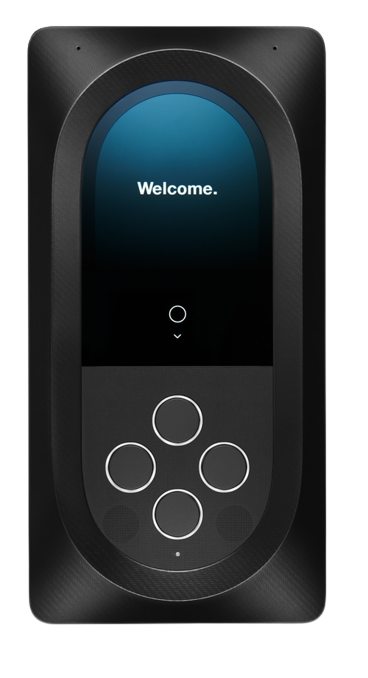
In the realm of IP intercom systems, not all brands are created equal. BAS-IP, established in 2008, has devoted itself exclusively to the development of professional IP intercom systems based on SIP technology, creating reliable and versatile solutions for residential and commercial buildings, private homes, and industrial intercom needs. In this article, we examine our competitor, Latch Intercom, to shed light on the significant advantages offered by BAS-IP.
Latch Intercom’s Limitations
While Latch Intercom has established offices in New York City, Taipei, and San Francisco, there is little information available about the company’s inception and growth. Their product range includes door locks and intercom panels, but notably, their panels lack keypads for access, which can limit usability and security. Moreover, the absence of indoor intercom stations in their offerings significantly restricts their use cases compared to BAS-IP.
Comparison Chart
| Features | BAS-IP | Latch |
|---|---|---|
| Access Control | EM-MARIN/MIFARE*/NFC/ Bluetooth | No |
| Keyless Entry | Yes | No |
| Virtual Keys (PIN Codes) for Visitors | Yes | No |
| QR Codes for Visitor Access | Yes | No |
| Multifactor Authentication | Yes | No |
| Property Management Software Integrations | Yes | No |
| Measuring Temperature | Yes | No |
| Cloud-Based Access Management | Yes | No |
| Indoor Phones | Yes | No |
| Indoor Monitors | 7 Models | No |
| Android-Based Monitors | Yes | No |
| 3rd Party App Support | Yes | No |
| Mobile App | Yes | Yes |
| Elevator Control | Yes | No |
| Connected IP Cameras Integration | Yes | No |
From this comparison, it is clear that BAS-IP provides a far more comprehensive and versatile intercom solution than our competitor. With advanced features such as access control, keyless entry, and multifactor authentication, as well as compatibility with third-party applications and property management software, BAS-IP is clearly the superior choice for both residential and commercial buildings.
The Power of BAS-IP’s Integration Capabilities

One of the key strengths of BAS-IP is its prowess in third-party integration. This feature allows our IP intercom systems to be seamlessly integrated with other security systems, providing a holistic security solution. This is a significant advantage over Latch Intercom, which does not showcase this capability.
The Importance of Key Pads and Indoor Stations
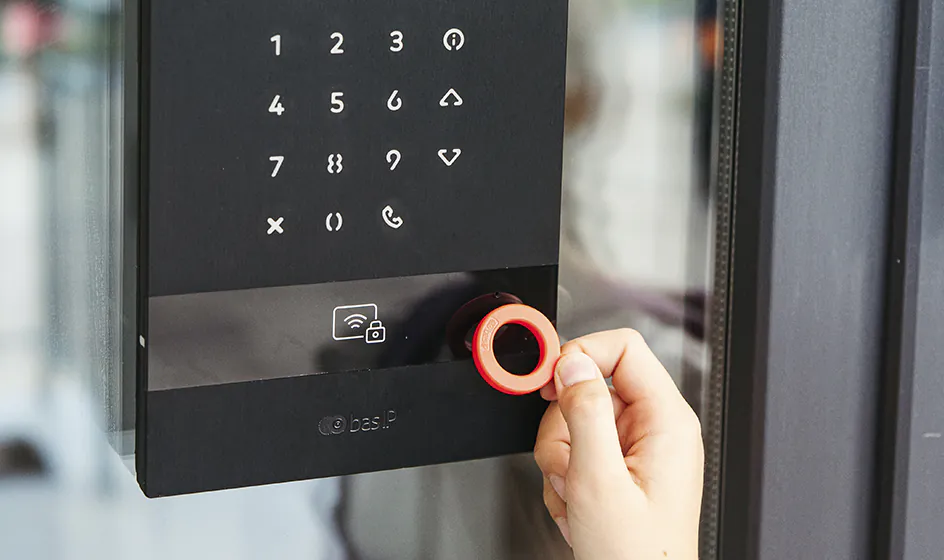
Keypads and indoor stations are integral components of a well-rounded professional intercom system, and their importance cannot be overstated.
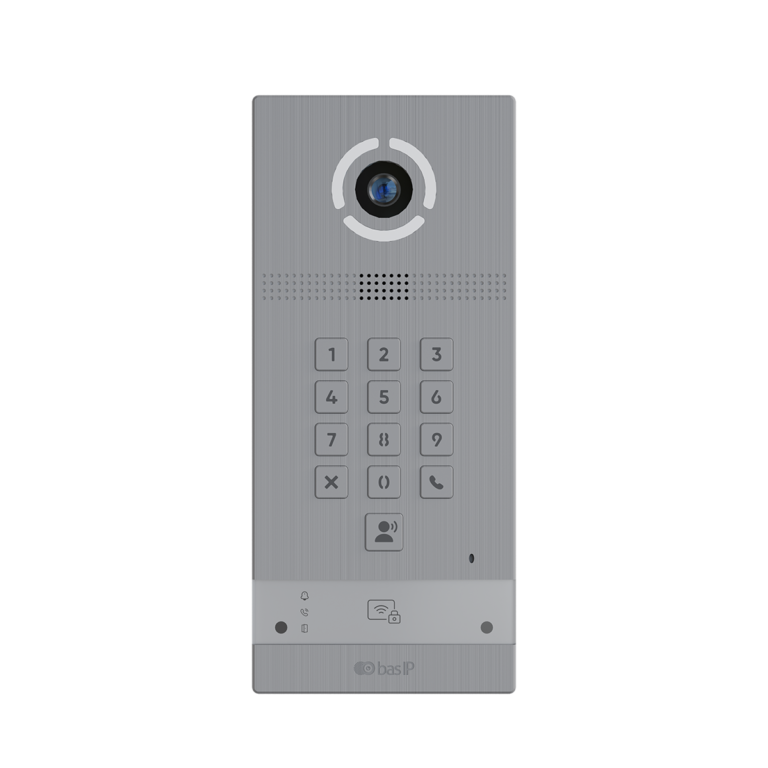
A keypad on an intercom system allows for secure, code-based access. This feature not only ensures that only authorized individuals can enter a building but also offers flexibility. For example, temporary codes can be given to guests or service providers, ensuring security without sacrificing convenience. Without a keypad, an intercom system relies solely on less secure methods of access, potentially increasing the risk of unauthorized access.
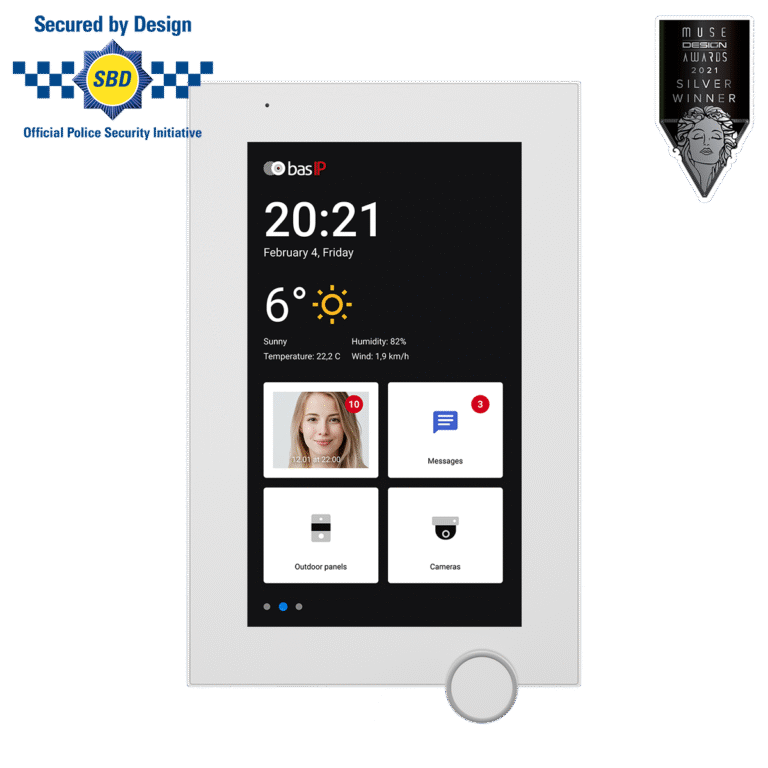
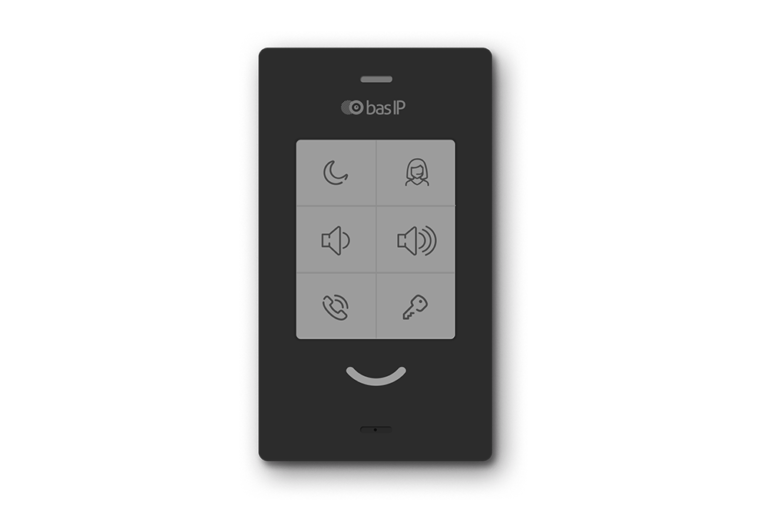
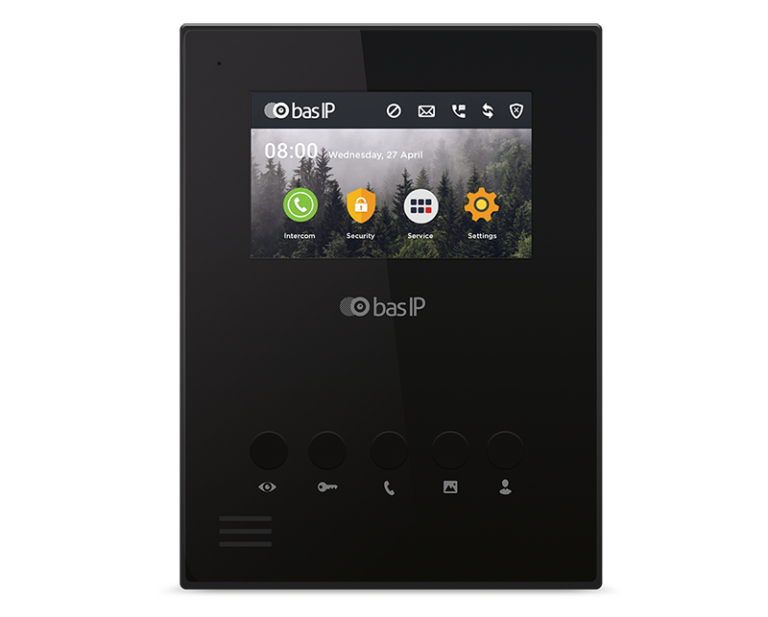
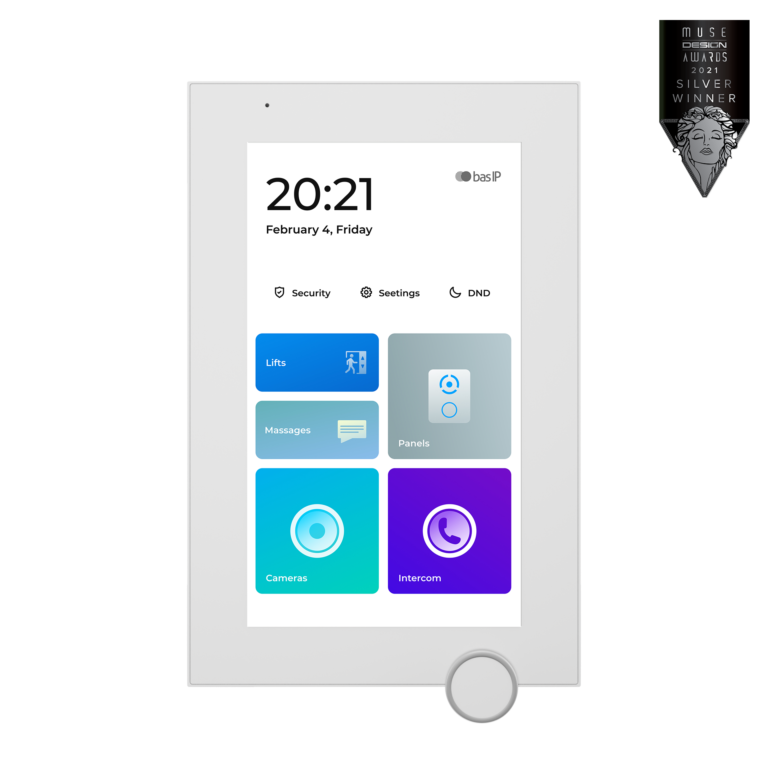
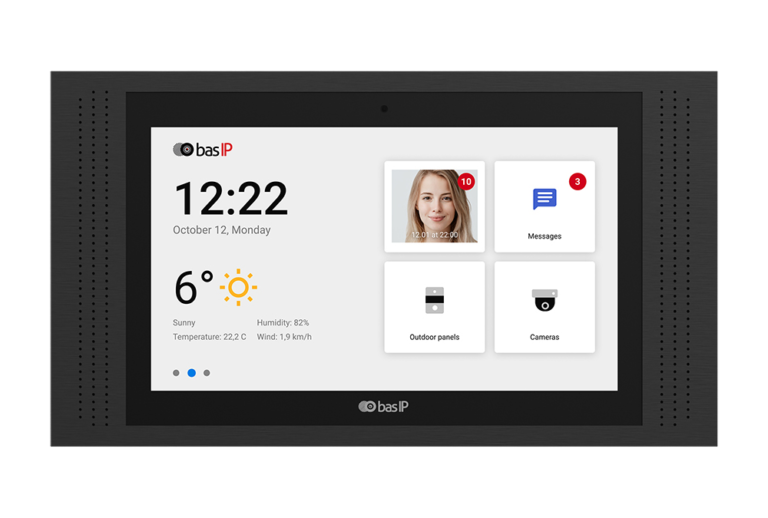
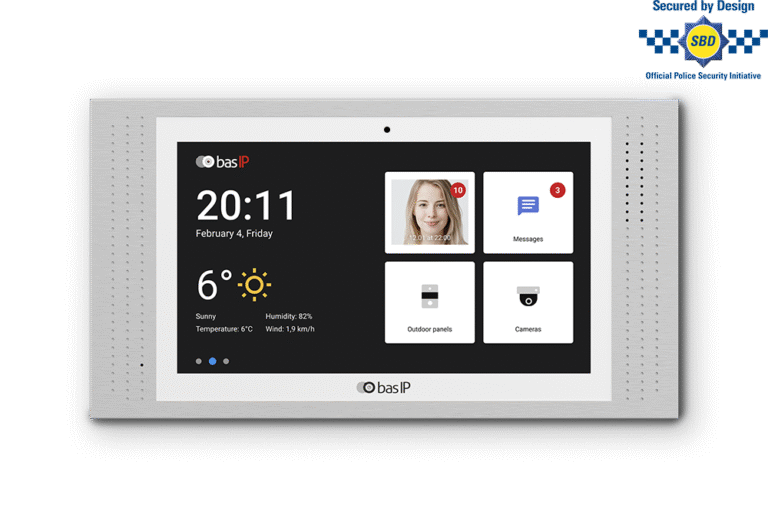
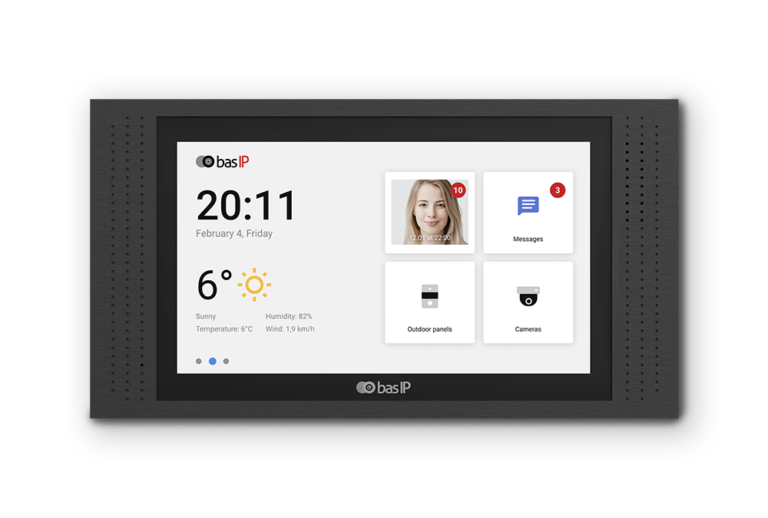
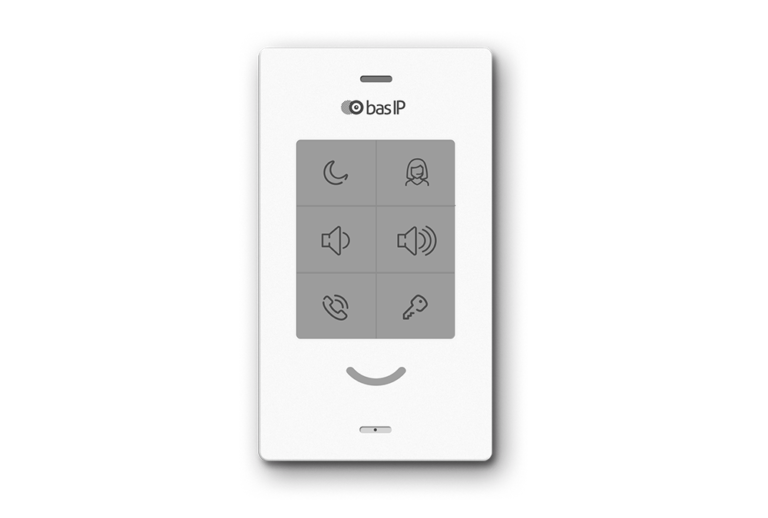
Indoor stations, meanwhile, serve as the user interface for the intercom system inside the building. They allow for communication with visitors, remote unlocking of the entrance, and often integrate with other security systems like CCTV cameras. Without indoor stations, the occupants of a building would lack direct control over their intercom system, making it far less effective and convenient.
Indoor Stations
Disadvantages of Not Having Keypads and Indoor Stations:
- Lower Security: Without a keypad, an intercom system’s security is compromised as it lacks the secure, code-based access that a keypad provides.
- Limited Flexibility: Keypads allow for code changes and temporary access options. Without them, this flexibility is lost.
- Reduced Control: Indoor stations offer occupants control over their intercom system from inside the building. Without them, this control is significantly diminished.
- Decreased Integration: Many indoor stations can integrate with other security systems. Without them, this valuable connectivity is lost, reducing the overall effectiveness of a building’s security infrastructure.
- Lack of Communication: Without indoor stations, there is no simple way to communicate with visitors or service providers at the entrance.
- Reduced Convenience: Both keypads and indoor stations offer increased convenience for users. Without them, using an intercom system can become more complicated and less user-friendly.
BAS-IP’s Diverse Product Range
Door Entry Panels
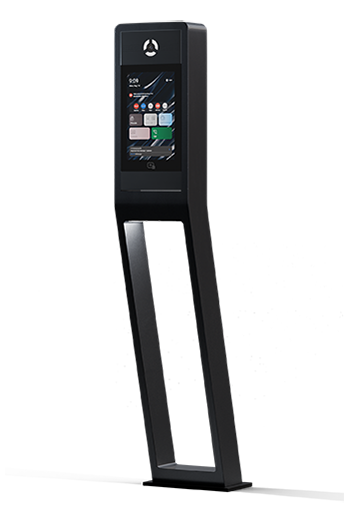
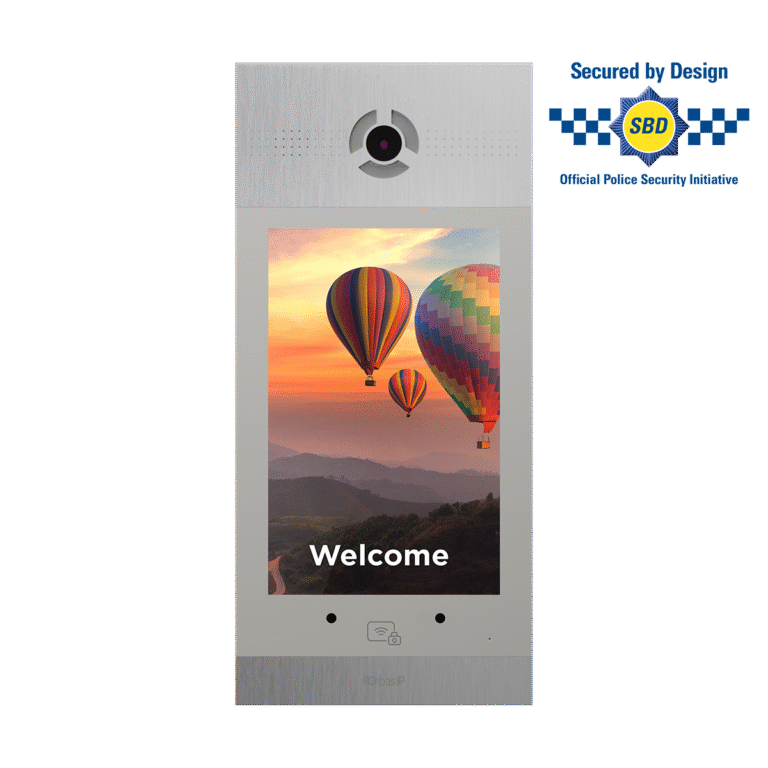
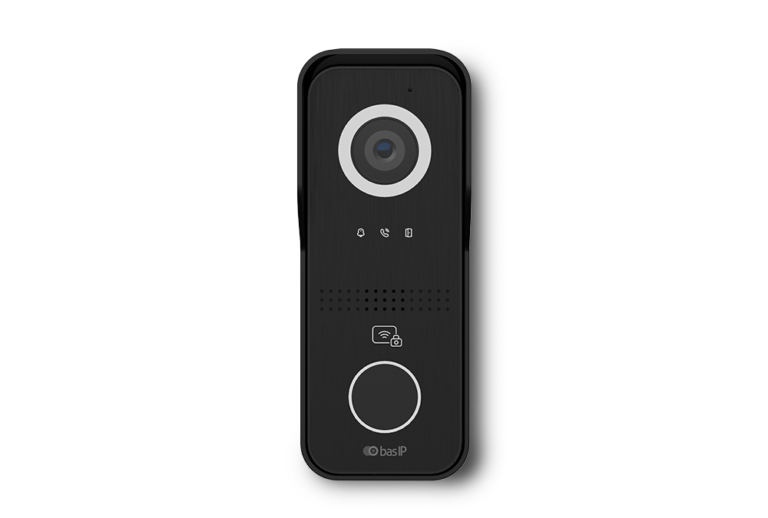
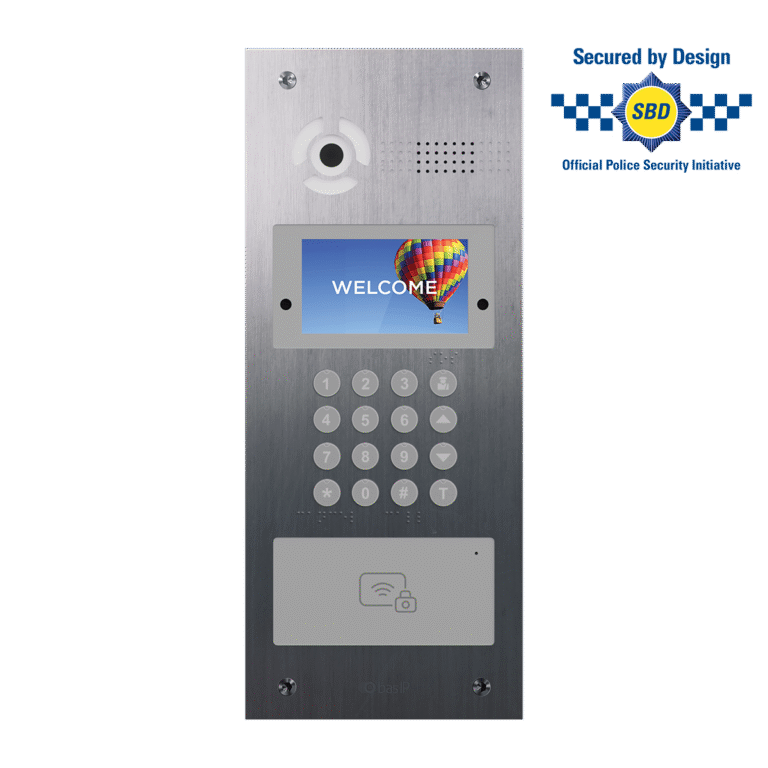
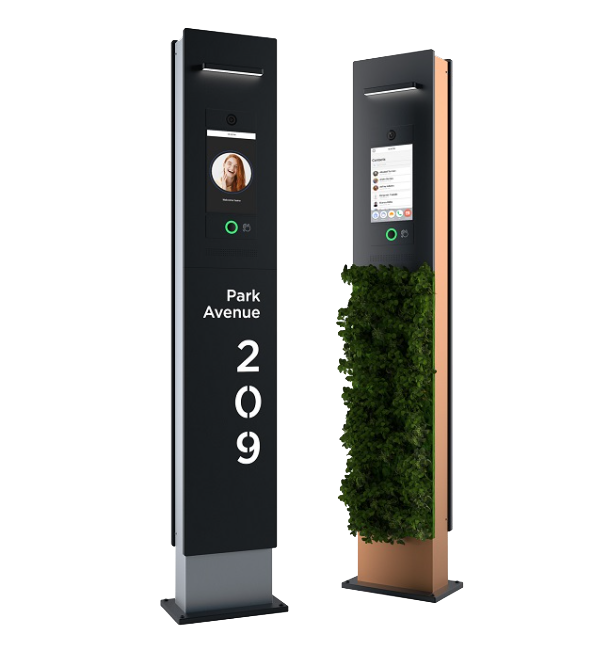
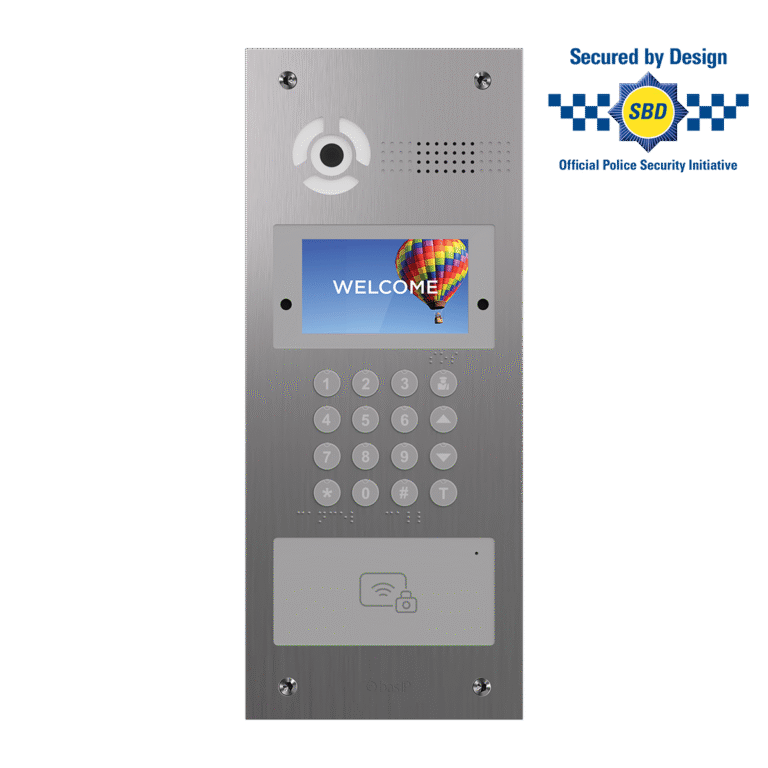
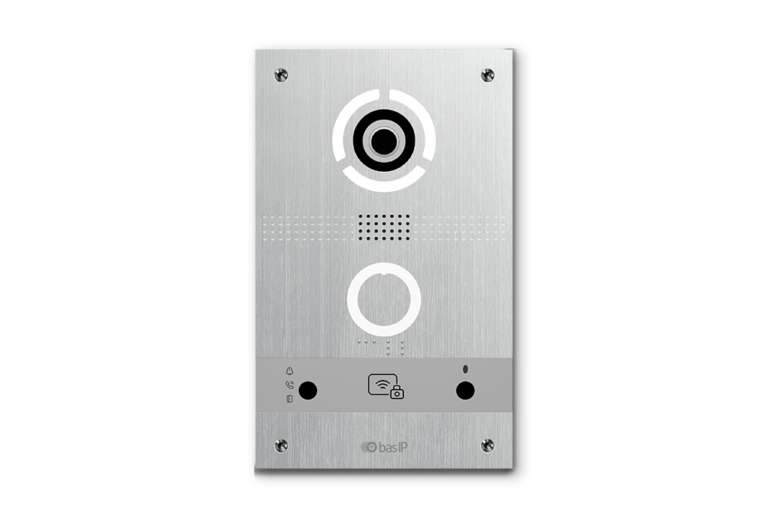
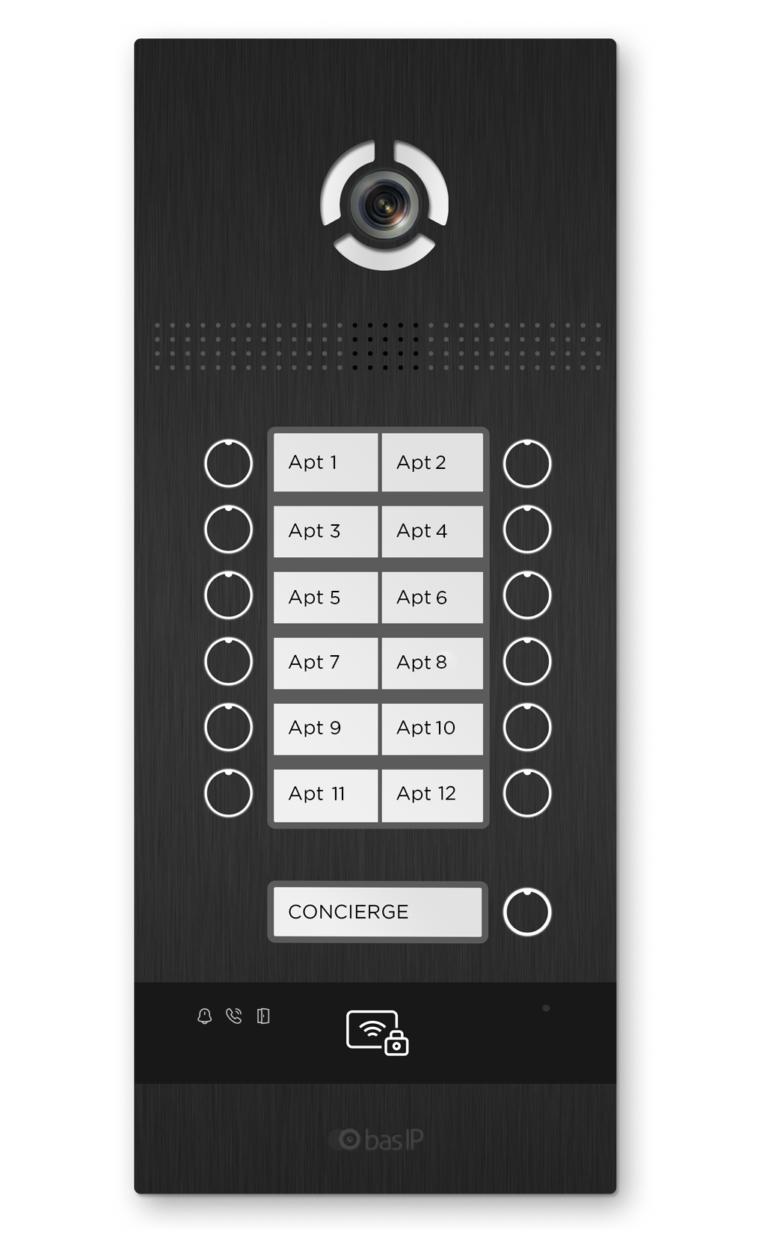
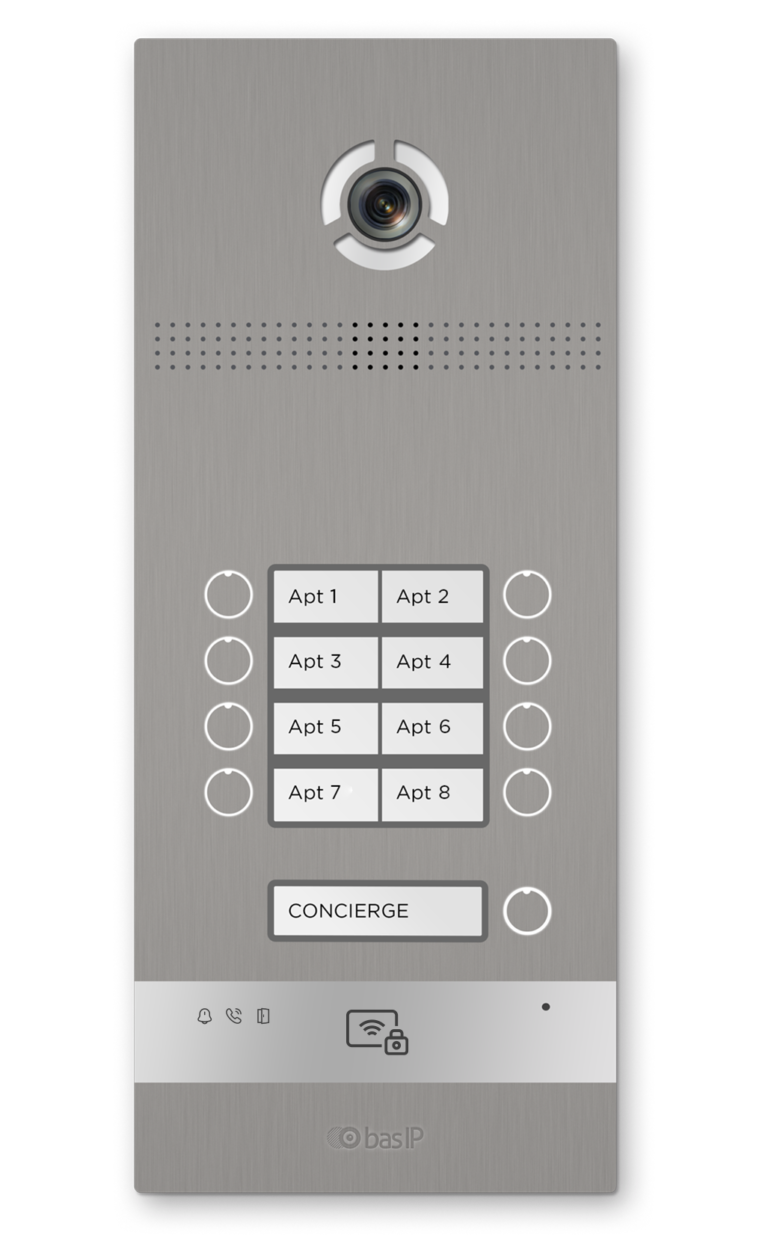
BAS-IP’s extensive product range, from intercoms for residential and commercial buildings to systems for private homes and industrial facilities, surpasses Latch Intercom’s singular focus on residential buildings. This variety ensures that BAS-IP can cater to a broader array of customer needs.
Conclusion
In every industry, companies have unique strengths and weaknesses. However, a thorough comparison of BAS-IP and Latch Intercom reveals a clear leader in professional IP intercom systems. BAS-IP’s emphasis on comprehensive, integrative solutions surpasses Latch Intercom’s limited offerings, providing customers with reliable, high-quality systems that cater to a wide range of needs. By understanding these differences, customers can make informed decisions, choosing a product that not only meets their requirements but also exceeds their expectations.