
Home Intercom System Replacement: Unleashing Superior Security
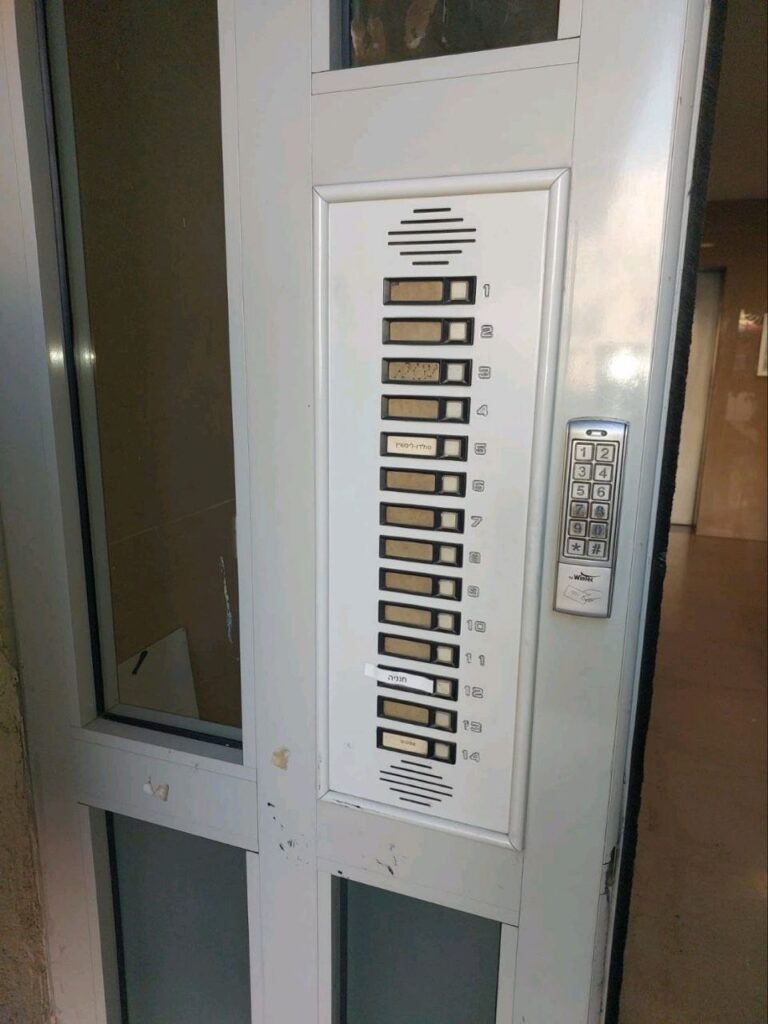
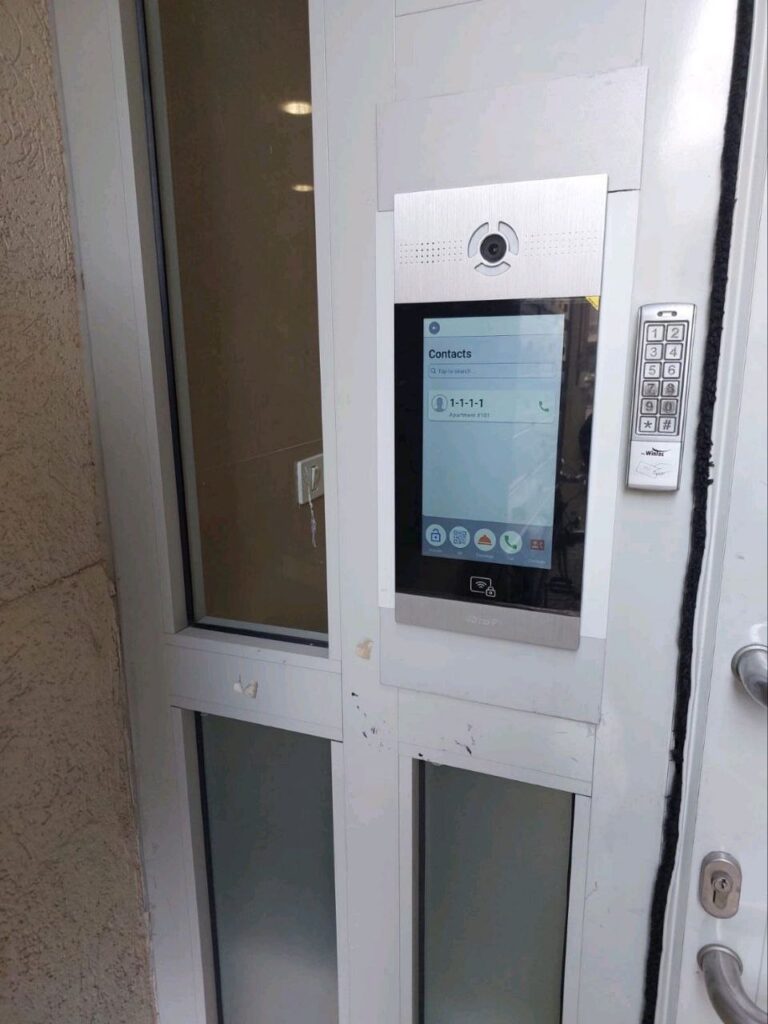
When it comes to home intercom system replacement, understanding the role and functionality of these systems is crucial.
A home intercom system, functioning predominantly as a door intercom system, combines an exterior panel and an interior phone to establish a reliable communication pathway from the confines of your home to the outside world. Its role in augmenting security and facilitating communication is paramount.
Home intercom systems cater to a variety of needs, most notably, reinforcing security by verifying visitors’ identity, providing convenience through seamless communication, and augmenting peace of mind. With options like video intercom systems, you can elevate your security measures to a new level.
As with any other technological device, your intercom system can also experience wear and tear, or become outdated over time. Frequent technical glitches, poor audio quality, or a simply obsolete system are clear indicators signaling the need for a home intercom system replacement.
Reasons to Replace Your Home Intercom System
Age and Wear-and-Tear
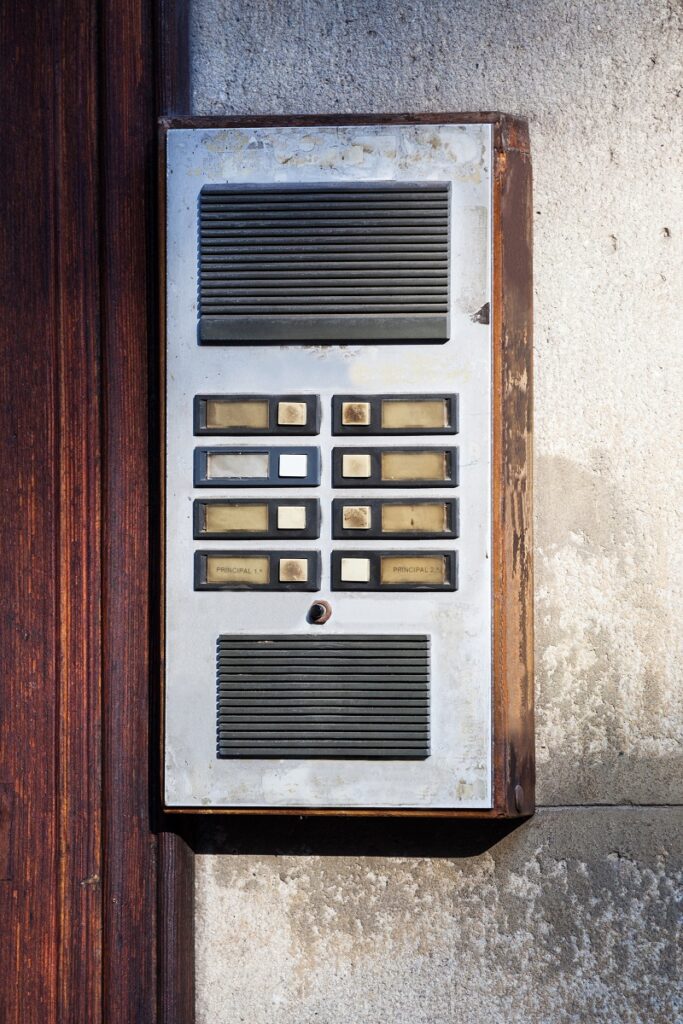
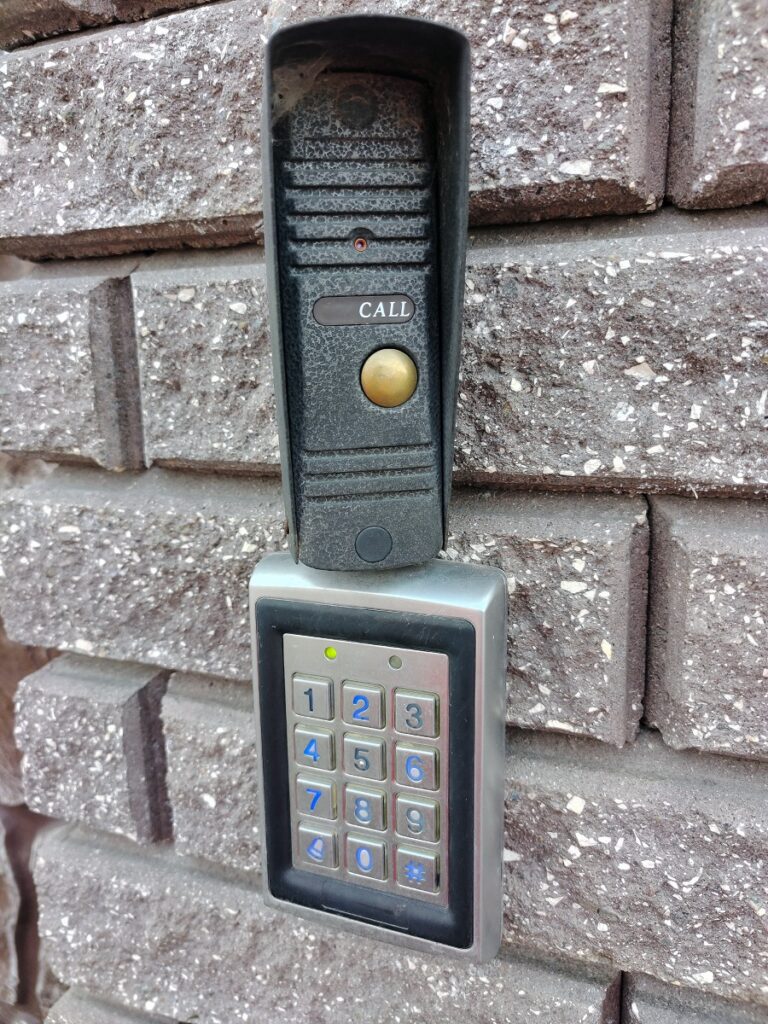
Every piece of technology ages and experiences wear and tear over the years. This holds true for your home intercom system as well. The effects of ageing on an intercom system may range from minor glitches and faults, to significant performance decline or complete failure. Over time, parts become obsolete and finding replacements can be difficult. If your intercom system is several years old, a replacement could enhance your home’s security and communication significantly.
Technological Advancements
The technological world evolves at an incredibly fast pace. What was once a high-end technology may quickly become outdated with the advent of new innovations. Home intercom systems are no exception. The shift from analog to digital systems, the emergence of video intercom systems, and the advancements in Internet Protocol (IP) technology have completely transformed the intercom system landscape.
One such advancement is the SIP (IP) technology incorporated into the BAS-IP full duplex intercom system. This technology provides the flexibility to use your local Ethernet network and even offers mobile applications. If your current intercom system does not utilize these modern technologies, replacing it can lead to improved functionality and convenience.
System Performance Issues
Over time, you might notice that your intercom system is not performing as well as it used to. You may experience poor audio quality, which can be quite frustrating and may hamper effective communication. Or the video functionality of your intercom system may fail, thus compromising your home’s security.
You might also encounter persistent technical glitches, which may require frequent repairs. This not only disrupts communication and security but can also lead to increased maintenance costs over time. In such cases, a home intercom system replacement can be a more cost-effective solution.
Enhancing Home Security
Security is a key feature of a home intercom system. With the advent of video intercom systems, home security has seen a considerable boost. You can visually verify a visitor’s identity before allowing them access, providing a significant increase in security.
Moreover, modern intercom systems incorporate features such as recording and storing footage, connecting with your smartphone for remote access, and integration with other security systems like alarms or locks. If your current system lacks these features, it’s high time to consider a home intercom system replacement to bolster your home’s security.
Improving Aesthetic Appeal

Intercom systems, besides being functional, can also add to the aesthetic appeal of your home. Older systems may appear dated and unsightly, detracting from your home’s decor. Modern intercom systems sport sleek and stylish designs, coming in a variety of forms that can seamlessly blend with your interior design or stand out as a fashionable statement. Replacing your old system can therefore also enhance the aesthetic appeal of your home.
Understanding the Types of Home Intercom Systems
Wired Home Intercom Systems
The conventional form of intercom systems is the wired system. These devices are connected by a network of physical wires running throughout your home. This connectivity ensures a robust, stable, and interference-free connection, which translates into a reliable communication system.
Wired systems have been known for their consistent performance and robustness. However, the installation process can be quite complex, often requiring professional help. It might involve drilling holes, running wires through walls, and other forms of structural modifications to your home.
Wireless and Wired Home Intercom Systems
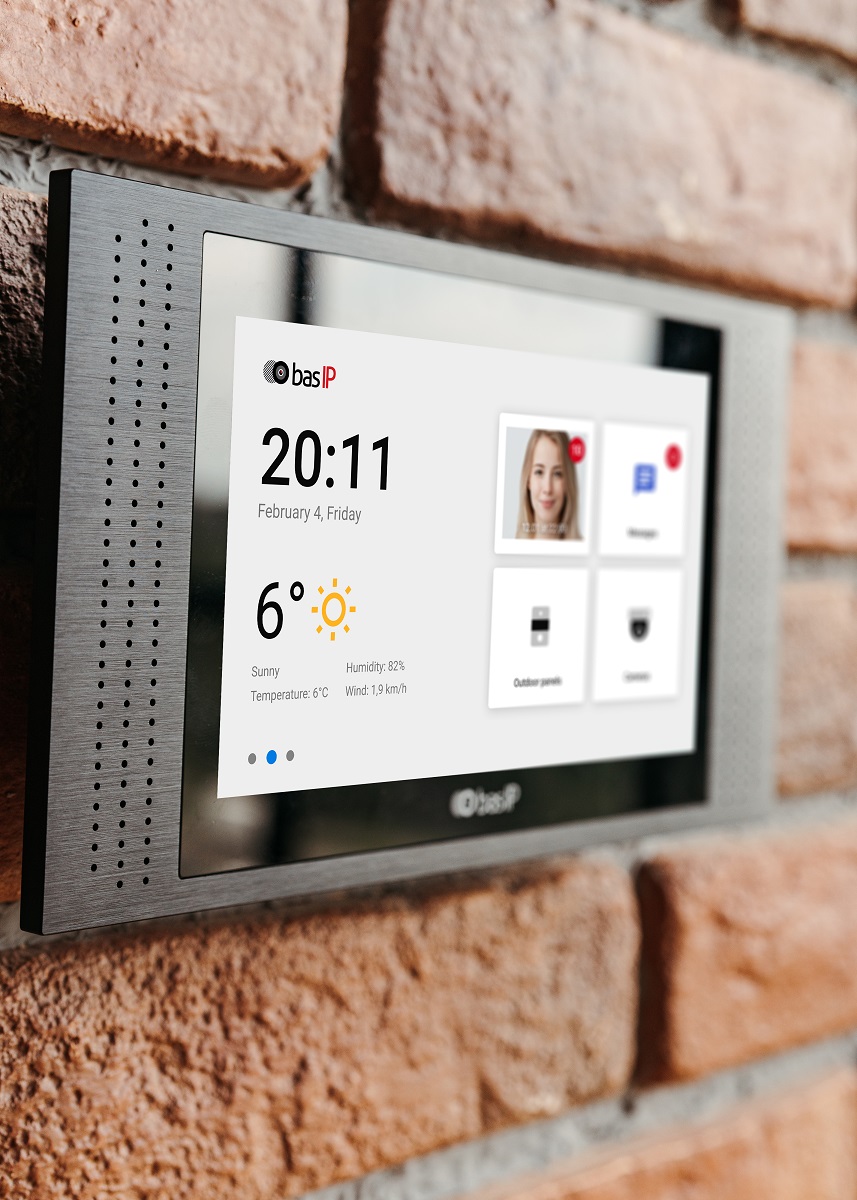

Bridging the gap between the traditional wired systems and the contemporary demand for convenience are the hybrid intercom systems that can operate in both wired and wireless modes. One of the shining examples of this is the BAS-IP intercom system.
The BAS-IP system uses SIP (IP) technology, making it flexible and modern. It can operate on your local Ethernet network for a stable connection. Yet, it also provides the convenience of wireless communication through its functional mobile apps. This versatility makes it an ideal option for those seeking both the reliability of wired systems and the flexibility of wireless ones.
Video Intercom Systems
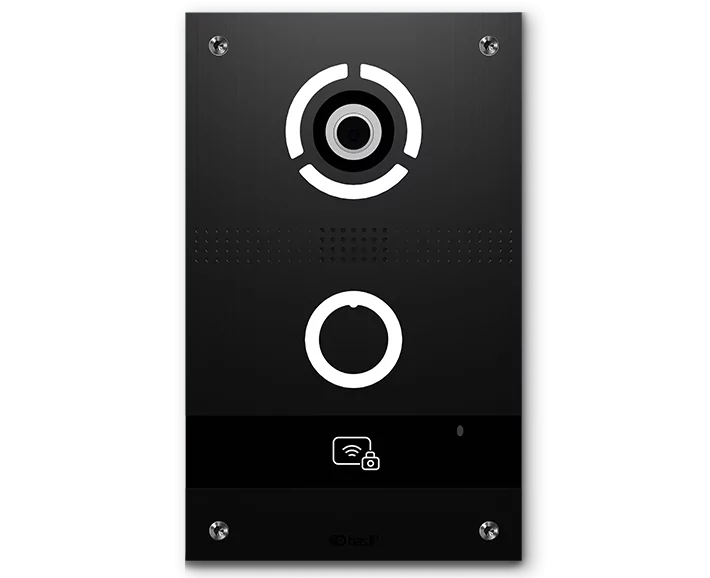
The addition of visual components to intercom systems has marked a significant advancement in this field. Video intercom systems not only allow for audio communication but also provide visual identification. This feature significantly enhances the security aspect of intercom systems.
By enabling you to visually verify the identity of the person at the door before granting access, it provides a crucial security measure. This system is particularly useful in situations where you need to verify a visitor’s identity without opening the door, adding an extra layer of safety and peace of mind.
Comparison and Benefits of Different Types of Systems
To gain a comprehensive understanding of these systems, let’s compare the pros and cons:
| System Type | Pros | Cons |
|---|---|---|
| Wired | Reliable, Interference-free Communication | Complex Installation, Lack of Flexibility |
| Wireless/Wired (BAS-IP) | Easy Installation, Flexibility, Versatility | Dependent on Wi-Fi Stability (for wireless mode) |
| Video | Enhanced Security through Visual Identification | Higher Cost, Requires Power Source |
Each of these systems has its unique set of benefits and limitations. It is crucial to consider your specific needs, preferences, and the layout of your home before deciding on the type of intercom system to install or replace.
Conclusion
The necessity and benefits of a home intercom system are unquestionable. As technological advancements continue to redefine our communication patterns and security measures, embracing these changes and opting for a home intercom system replacement can indeed boost your home’s security and communication capabilities. The BAS-IP system, with its optional wireless functionality, presents itself as an efficient and flexible choice for your home intercom system replacement.
Let’s discuss this article on Twitter and Telegram. Join our channels!