Skip to Content
Go back

Elevate Your Small Building Security with the Ultimate Intercom System

In today’s world, ensuring the safety and security of small buildings is more important than ever. One of the most effective ways to achieve this is by installing a building intercom system. These systems not only provide a means of communication between occupants but also serve as an additional layer of security. In this comprehensive guide, we will delve into the benefits of a small building intercom system, the crucial features to consider, and how to select the ideal system for your specific needs. By the end of this article, you’ll have all the information you need to make an informed decision and boost your building’s security.
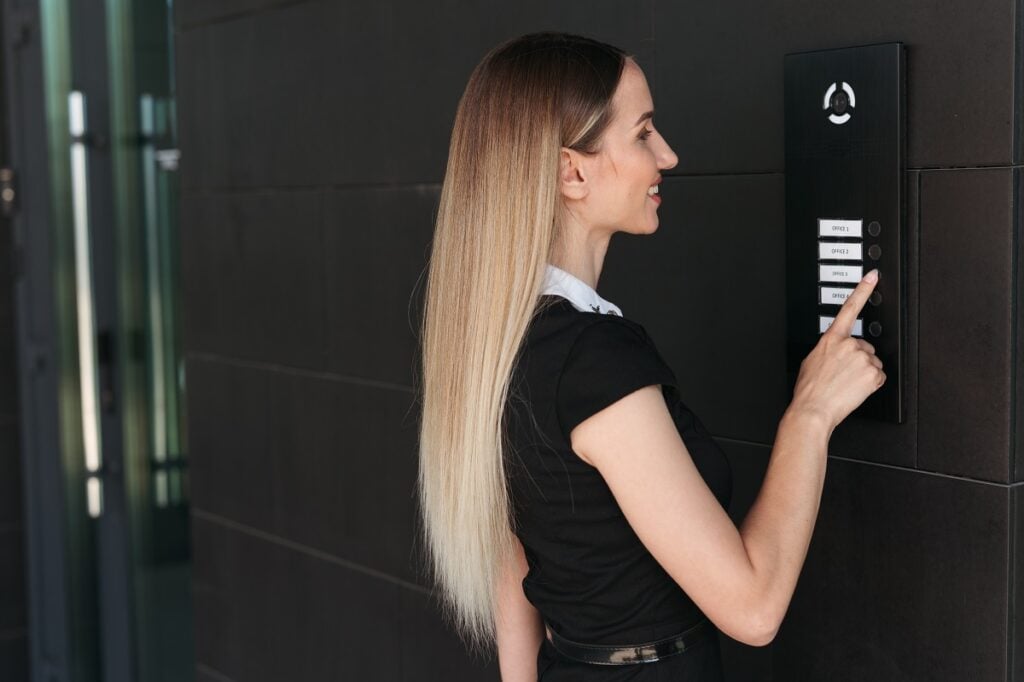
Small Building Intercom System

The Value of a Small Building Intercom System

Enhanced Security

A small building intercom system offers numerous security benefits. It allows you to screen visitors before granting them access, ensuring that only authorized individuals can enter the premises. Additionally, many intercom systems come with integrated video surveillance, providing visual confirmation of the visitor’s identity and adding another layer of protection.

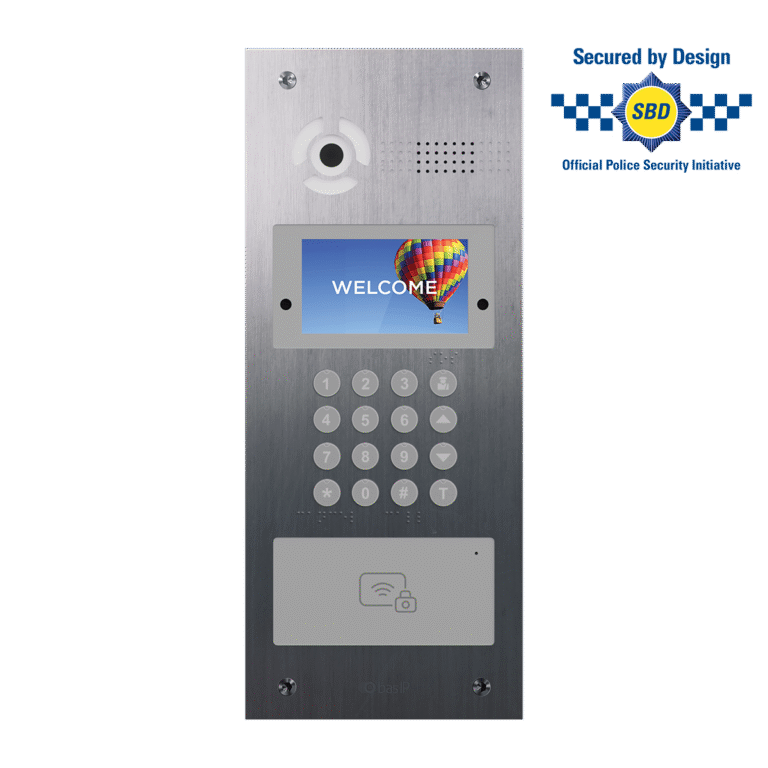
Building Call Box
Improved Communication

Intercom systems enable seamless communication between different areas of the building. This can be particularly useful in emergencies, as occupants can quickly relay important information or call for assistance. Furthermore, intercom systems facilitate everyday communication between residents, staff, or office workers, contributing to a sense of community.

See also  Mastering NYC Intercom Systems: Security & Communication Solutions for the Big Apple

Essential Features of a Small Building Intercom System

Audio and Video Capabilities

Modern intercom systems come with both audio and video capabilities. Video intercoms provide visual confirmation of a visitor’s identity, while audio-only systems rely on voice communication. When choosing a small building intercom system, consider the specific needs of your building and occupants to determine which option is best for you.

Video Door Phones

Access Control Integration

Integrating access control with your intercom system can significantly enhance your building’s security. This feature allows you to remotely grant or deny access to visitors, often through the use of electronic keys, fobs, or mobile devices. Look for an intercom system that supports access control integration for a comprehensive security solution.

Wired vs. Wireless

Intercom systems can be wired or wireless, with each option offering its advantages and drawbacks. Wired systems are generally more reliable but may require professional installation, while wireless systems offer more flexibility and easier installation but may be susceptible to interference. Consider your building’s infrastructure and preferences when making your choice.

Scalability

As your small building’s needs change, it’s essential to have an intercom system that can adapt. Look for a system that allows for easy expansion or upgrades, ensuring that your investment remains valuable over time.

See also  Condo Intercom Replacement: Amplifying Security and Communication

User-Friendly Interface

A user-friendly interface is crucial for the seamless operation of your intercom system. Ensure that the system you choose is easy for all occupants to use and understand, as this will maximize its effectiveness and user satisfaction.

similar articles
Articles

The entry panel is the first point of contact between a building and a person. And if this building is municipal, social, medical, or educational, the panel at the entrance must be clear and convenient for everyone: the hard of hearing, the visually impaired, elderly people, visitors unfamiliar with the system. AV-08FBIL was designed precisely […]

Articles

A video intercom monitor is often treated as just a screen on the wall. In reality, it is one of the key parts of the system: it is the device through which the user receives the call, sees the visitor, speaks with them and manages access. What a Video Intercom Monitor Is A video intercom […]

Articles

When the word “SIP” appears in the specifications of an intercom or entry panel, it often sounds like something purely technical. In practice, the meaning is much more practical. SIP is a protocol used to establish communication between devices on a network. Put simply, it helps one system “call” another, establish a connection, and begin […]

Articles

When people first come across the term “IP video intercom,” it often sounds more technical than it really is. In practice, the basic idea is fairly simple. An IP video intercom is an intercom system that works over a network. In other words, communication between the entry panel, the indoor monitor, and other devices is […]

Articles

An entry panel is often treated as just “the button by the door.” In reality, it is one of the key elements of the intercom system. It is the device through which a call begins, audio and video are carried, and, in some cases, access, identification, and different entry scenarios are handled. So it is […]

Articles

Access control and a video intercom are often treated as though they were the same thing, because both are linked to entering a building. But they are not quite the same. A video intercom is primarily about communication with a visitor: the call, the conversation, the image, and the decision to release the door. Access […]

Articles

What PoE Means in Simple Terms PoE stands for Power over Ethernet. Put simply, it means that the same Ethernet cable can carry both data and power. That means that, for some devices, you do not need a separate network connection and a separate power feed. If the equipment supports PoE, one cable may be […]

Articles

Why This Comparison Is Often Presented Too Simplistically When people talk about the difference between an IP and an analog video intercom, the discussion is often reduced to a crude formula: analog is basic and outdated, while IP is automatically modern and better. That is a convenient story if someone only wants to sell IP […]

Articles

Start Not with the Design, but with the Use Scenario The most common mistake is choosing an entry panel without a clear task in mind. A panel for a private house, a block of flats, an office, or a commercial site is not the same thing. First, answer the basic questions: How many users will […]

Articles

What the Difference Actually Is A flush-mounted panel is recessed into the wall or into a prepared niche, so only the front face remains visible from the outside. That makes the installation look neater and more integrated. A surface-mounted panel is fixed on top of the wall. It protrudes further, but it is usually much […]