
Condo Intercom Replacement: Amplifying Security and Communication
Boosting Communication with Condo Intercom Replacement
The traditional systems that once were cutting-edge may no longer serve us with the efficiency we need. This realization brings us to the importance of a timely condo intercom replacement, ensuring we keep up with evolving tech trends, providing a safe, secure, and seamless communication environment for all residents.

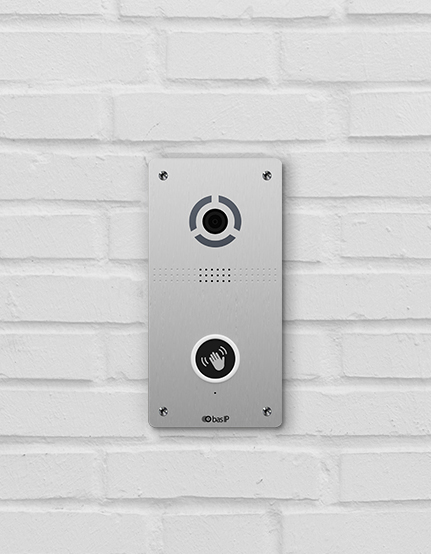
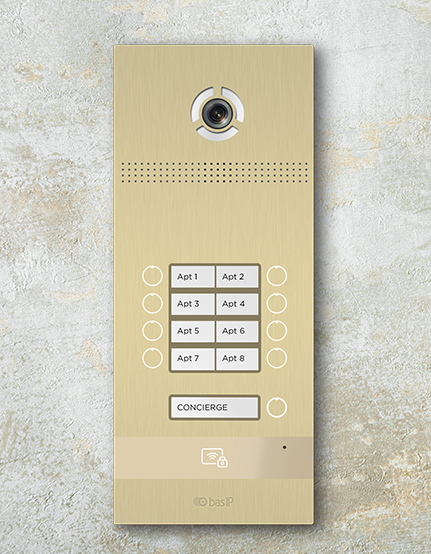
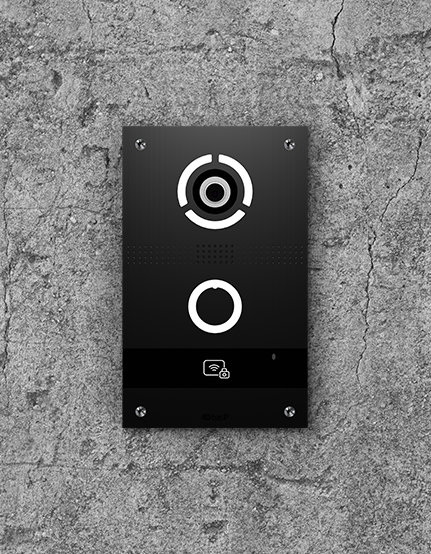
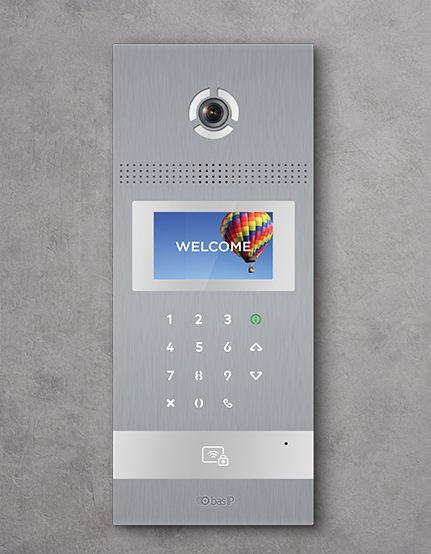
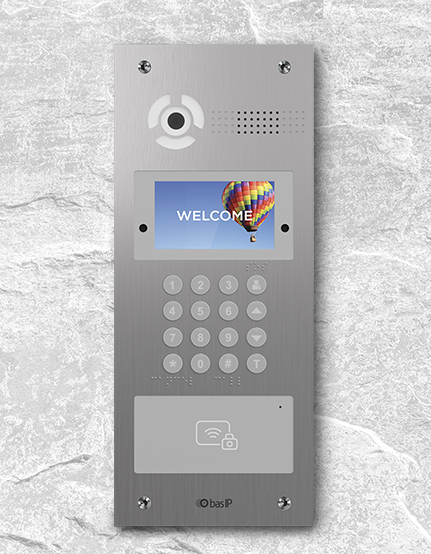
A condo intercom system serves as the lifeline between the inhabitants of a building and the outside world. It facilitates seamless communication, enhances security, and adds value to your property. However, with advancements in technology, there’s a growing need for condo intercom replacement. This article provides a thorough exploration of when and why to replace your intercom system, the steps involved, and tips to ensure the process is hassle-free.
When to Consider Intercom Replacement
Intercom systems, like any technology, have a lifespan. If your system is over ten years old, it might be time for an apartment intercom replacement. Signs of a failing system include:
- Frequent technical issues
- Poor sound or video quality
- Outdated system technology
Replacing your intercom system in a timely manner brings benefits like improved security, ease of use, and modern features.
Types of Intercom Systems
When considering a building two way intercom replacement, it’s essential to understand the different types available:
- Analog systems: These are the oldest type of intercoms. They’re reliable but lack modern features.
- Digital systems / IP Based Systems: Like the BAS-IP intercom system, these utilize local ethernet networks, offering flexibility and convenience. They can even work wirelessly if wiring isn’t feasible.
- Wireless systems: Ideal for scenarios where wiring isn’t possible. These systems require only power for the door entry panel and internet access.
- Video intercom systems: Allow you to see who’s at the door, adding an extra layer of security.
Steps to Replace Condo Intercom System

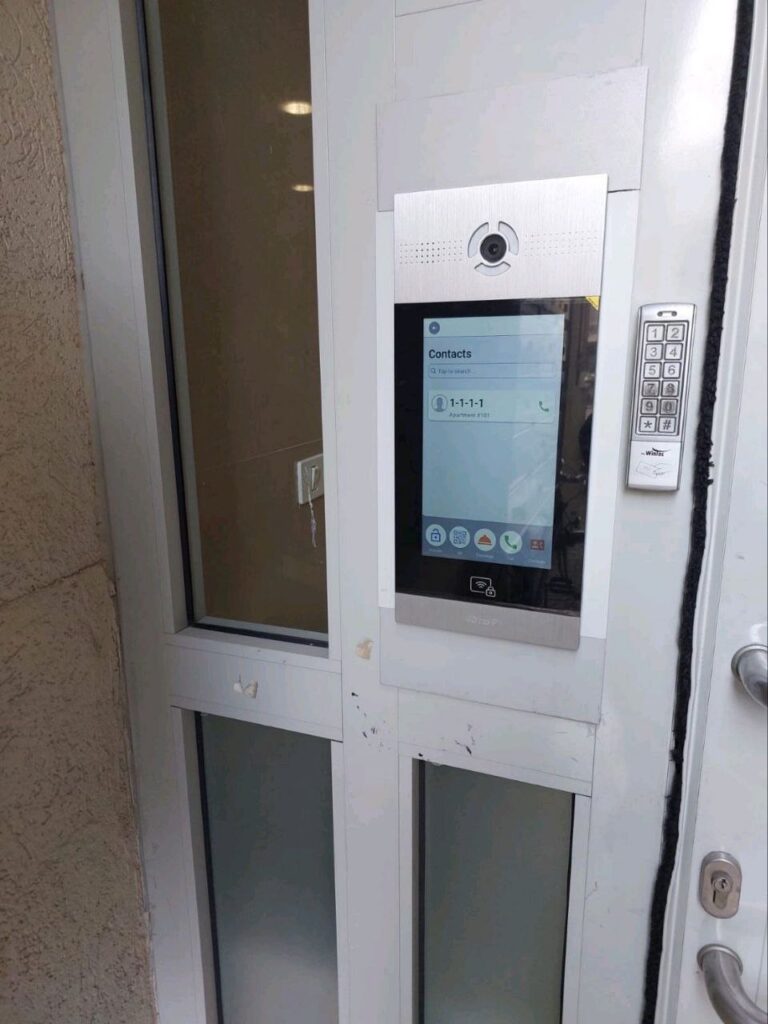
Here’s a step-by-step guide to condo intercom replacement:
- Assessment of the current system: Evaluate the current system’s state and determine its inadequacies.
- Determining the needs of the condo: Consider security requirements, ease of use, budget, and more.
- Choosing the right type of intercom system: Weigh the pros and cons of each type and choose one that suits your needs.
- Installation: Decide between professional installation and DIY. Keep in mind, professional installation ensures the system functions optimally.
- Testing the new system: Ensure the system works perfectly before full deployment.
Cost of Replacing a Condo Intercom System
Replacing a condo intercom system can be a significant financial investment, but it’s important to remember that it’s an investment in your security, convenience, and overall quality of life. The cost can vary widely depending on several factors. Here’s a detailed look at some of these factors:
Choosing the Type of Intercom
Different types of intercom systems come with varying price tags. Analog systems, being the oldest type, can be relatively inexpensive, but they lack many modern features. Digital / IP-based systems, like the BAS-IP full duplex intercom system, offer advanced features and flexibility, but they can be more expensive than traditional analog systems. Wireless systems can provide savings in terms of wiring and installation costs, but they might require additional investment in network infrastructure. Video intercom systems provide the highest level of security, but they also tend to be the most costly.
Installation Costs
Installation costs can also vary widely. Professional installation is typically more expensive than a DIY approach, but it comes with the benefit of expert workmanship and often includes a warranty. The cost can also be influenced by the complexity of the installation process. For example, replacing an existing wired system with a wireless one can be more complex and therefore more expensive.
Size of the Condo
The size of your condo can significantly influence the cost of an intercom system replacement. A larger building with more units will require more equipment, more wiring (unless you’re going wireless), and more time for installation. This will naturally increase the overall cost.
Other Considerations
There may also be additional costs related to regulatory compliance, system testing, training for residents on using the new system, and potential future maintenance.
Estimated Cost Range
Given these variables, it’s challenging to provide a specific cost estimate for a condo intercom replacement without assessing the specific circumstances. However, as a ballpark figure, a condo intercom system replacement can range anywhere from a few hundred to several thousand dollars.
Remember, while an intercom system replacement requires an upfront investment, the benefits of increased security, enhanced communication, and improved property value can make it a wise expenditure in the long run.
Long-Term Cost Savings
An efficient and modern intercom system can provide long-term cost savings. For instance, IP-based systems can operate on existing network infrastructure, reducing the need for separate wiring. These systems can also be more energy-efficient, leading to savings on utility bills. Moreover, a well-maintained, high-quality intercom system can reduce repair costs and increase the lifespan of the system, providing further savings over time.
Choosing the Right Vendor/Installer

Choose a vendor/installer wisely. Consider their experience, reviews, pricing, warranties, and more. Ask potential vendors about their past projects, customer satisfaction rates, and after-sales services. Be aware of red flags like vague responses or extraordinarily low prices.
Legal and Regulatory Considerations
Before starting your condo intercom replacement, understand your local building codes and regulations for intercom systems. Always obtain necessary permissions from condo management or owners to avoid any legal issues later.
Future Maintenance and Upkeep
Once your intercom system is in place, it’s crucial to maintain it well. Regular maintenance can extend the lifespan of your system. Be aware of common issues and how to fix them, and when it’s time to call in a professional.
Conclusion
Condo intercom replacement is an essential step in maintaining a secure, convenient, and technologically up-to-date living environment. The process may involve an initial investment of time and resources, but the resultant benefits of enhanced security and streamlined communication are undeniably worth it. Choose wisely, maintain regularly, and your intercom system can serve you efficiently for many years to come.
FAQs
From condo intercom replacement to apartment and building intercom upgrade, this comprehensive guide aims to facilitate an informed decision-making process. By understanding the necessity, steps, and best practices for an intercom system overhaul, you can ensure a smooth transition towards a more secure, convenient, and technologically equipped living environment.