
Residential Gate Access Control: The Ultimate Guide to Protect Your Property
As homeowners, we always want to make sure that our properties are secured and protected at all times. One way to achieve this is by installing a residential gate access control system. In this comprehensive guide, we will discuss everything you need to know about residential gate access control systems, how they work, and the benefits of installing one in your property.
Understanding Residential Gate Access Control
Residential gate access control systems are designed to provide controlled access to your property. This system typically includes a gate that is either manual or automatic, and a mechanism to control access to the gate. The mechanism can be a keypad, a card reader, or a biometric scanner that verifies the identity of the person requesting access. The system can be programmed to allow or deny access to specific individuals or groups of people.
Gate Access Control System

Types of Residential Gate Access Control
There are several types of gate access control systems available on the market, each with its own advantages and disadvantages. The most common types are:
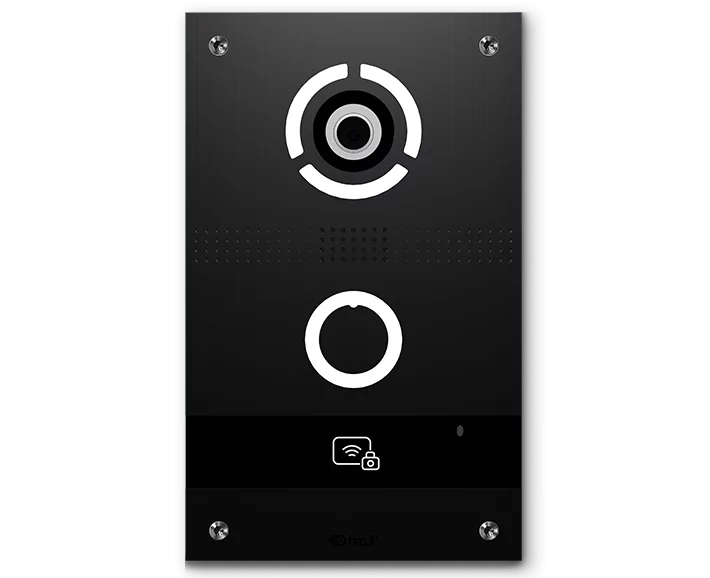
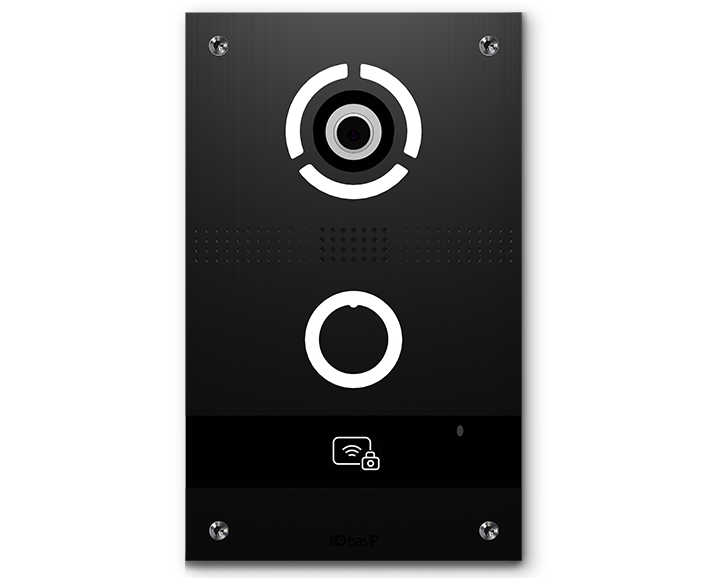
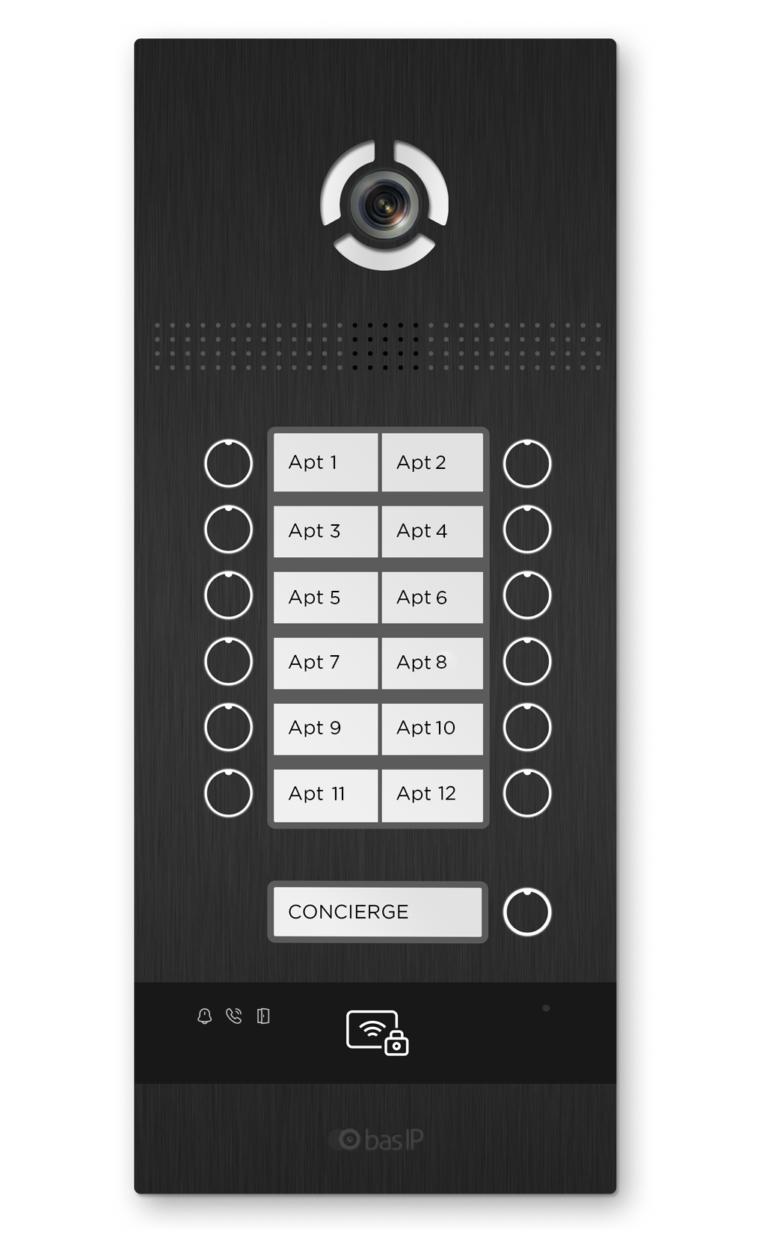
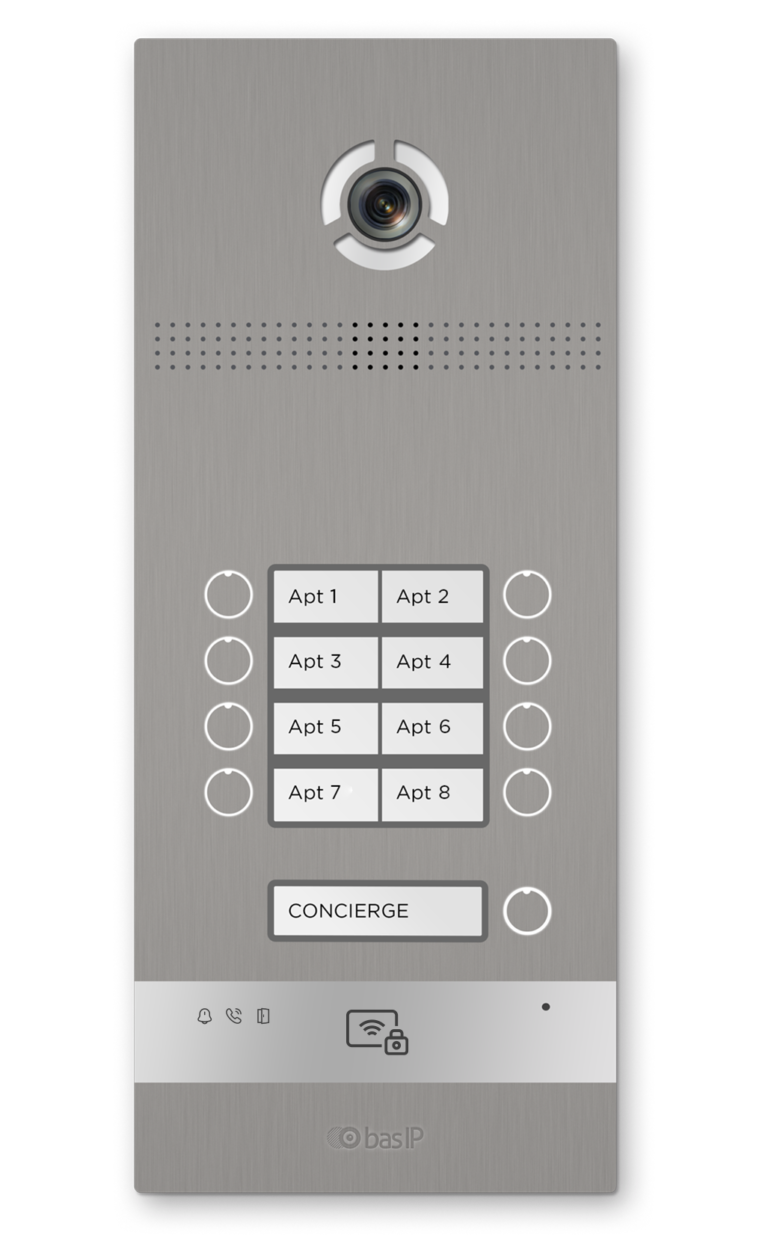
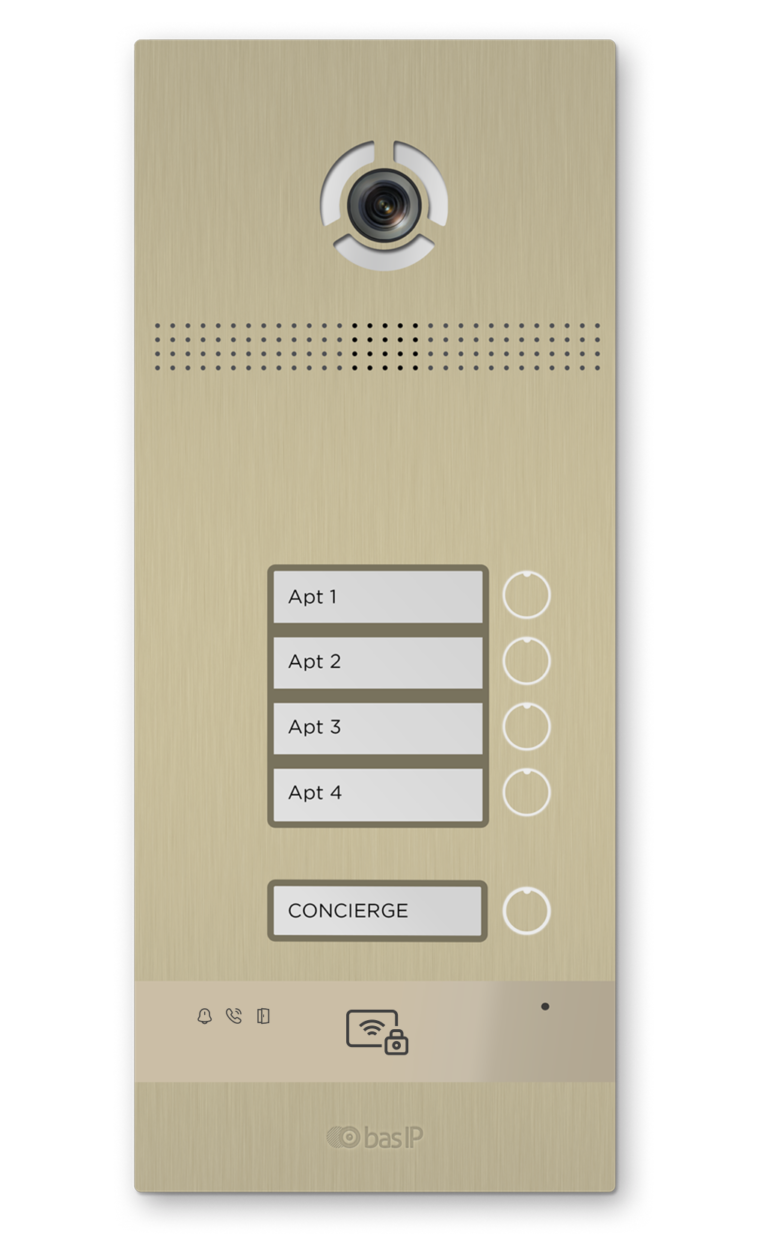
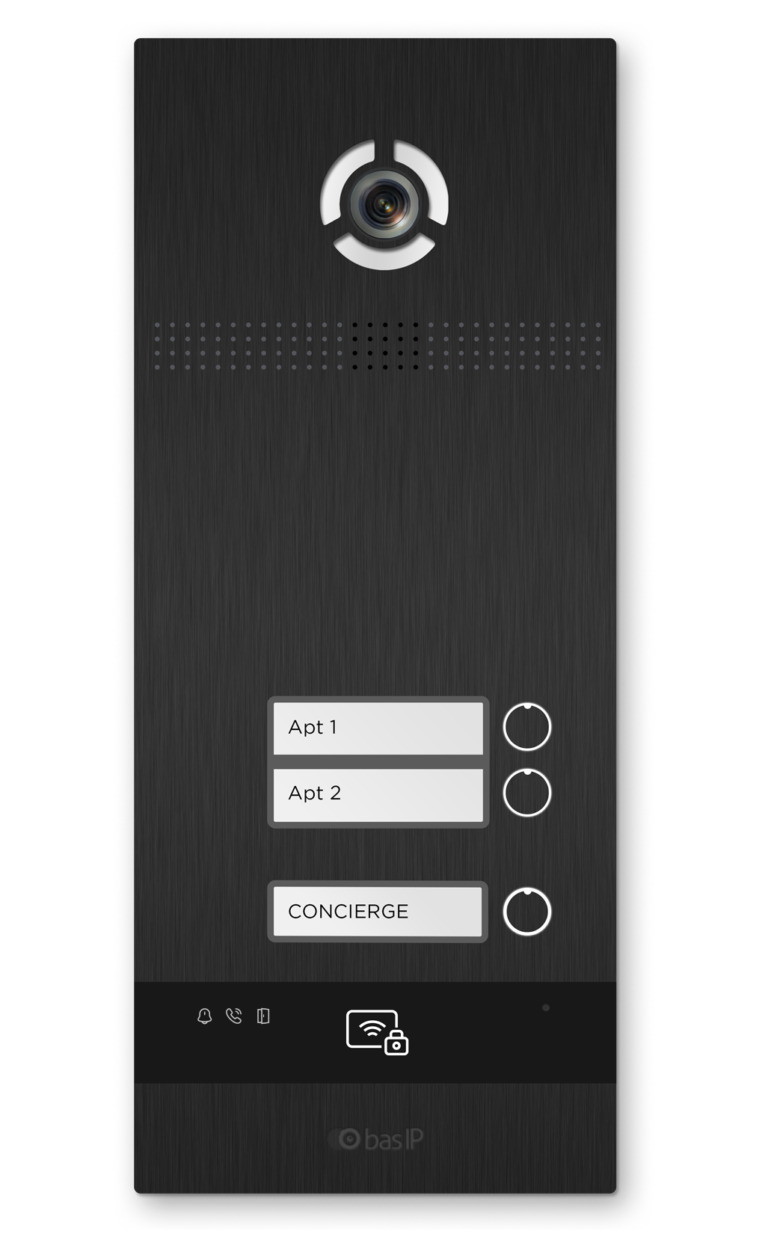
- Gate Intercom panel: Is a device installed at a gate or entry point that allows communication between visitors and those inside the property (using video door phone).
- Keypad Access Control: This type of system requires the user to enter a code on a keypad to gain access to the property. It is a simple and cost-effective solution for securing your property.
- Card Reader Access Control: This system requires the user to swipe a card to gain access to the property. It is a more secure solution than keypad access control as the cards can be programmed to work only during specific times of the day.
- Biometric Access Control: This system uses a biometric scanner (facial recognition) to verify the identity of the person requesting access. It is the most secure option as it is nearly impossible to duplicate or forge biometric information.
Access Control Facial Recognition
Benefits
Installing a residential gate access control system has several benefits, including:
- Enhanced Security: Residential gate access control systems are designed to provide controlled access to your property, which makes it difficult for unauthorized individuals to enter. This enhances the security of your property and reduces the risk of theft and vandalism.
- Convenience: With a residential gate access control system, you can control who enters your property and when. This provides you with the convenience of not having to worry about opening and closing the gate manually.
- Increased Property Value: Installing a residential gate access control system can increase the value of your property. This is because it enhances the security of your property and adds an extra layer of protection.
Installation and Maintenance
Installing a residential gate access control system requires the services of a professional. The installation process involves wiring the system to your property’s electrical supply and programming the system to your specific requirements. It is important to hire a professional to ensure that the system is installed correctly and works efficiently.
To ensure that your residential gate access control system continues to work efficiently, regular maintenance is required. This includes checking the system for any faults, cleaning the system components, and replacing any worn-out parts.
Conclusion
A residential gate access control system is an effective way to secure your property and enhance its value. With the right system in place, you can control who enters your property and when, which provides you with the peace of mind you need to enjoy your home. If you are considering installing a residential gate access control system, it is important to consult with a professional to determine the best system for your property.