
Skip to Content
Go back

Mastering the Art of Integration: Unleashing the Power of a Security System Integrator

Security is one of the top priority for businesses, organizations, and homes. With the ever-evolving landscape of threats and the increasing sophistication of malicious actors, it is crucial to have a reliable and robust security infrastructure. A security system integrator plays a critical role in achieving this goal. In this comprehensive guide, we will delve into the world of security system integration, its importance, and how to make the most of this essential service.
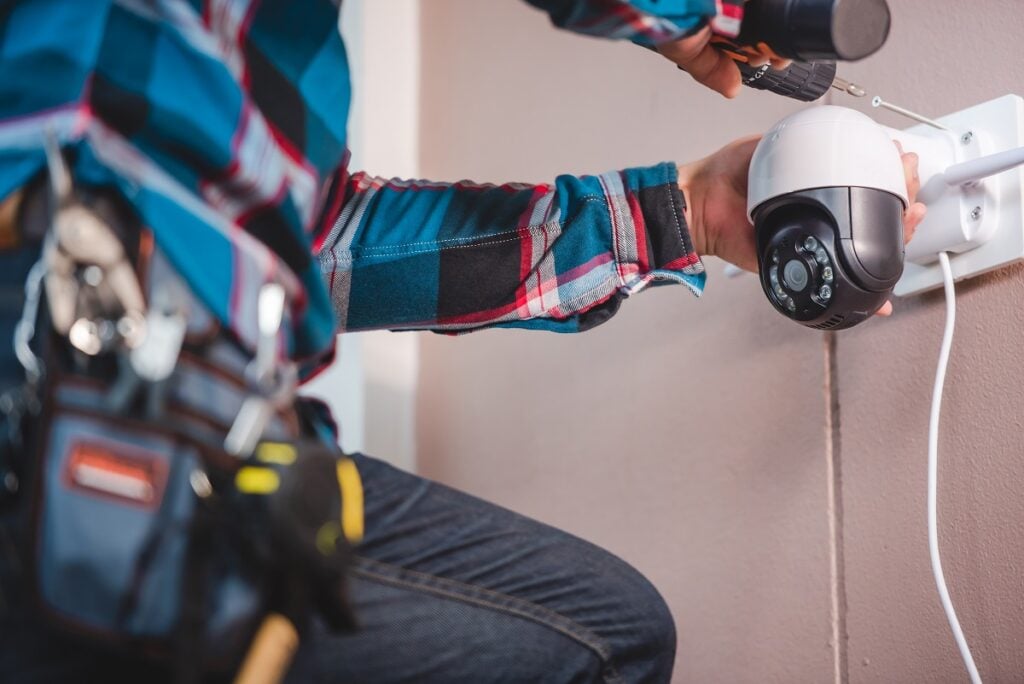
Security System Integrator

Who Is a Security System Integrator?

A security system integrator is a professional or firm specializing in designing, implementing, and managing comprehensive security systems. These experts combine various security components, such as access control, video surveillance, intercom, intrusion detection, and other security technologies, to create a unified and seamless system that meets the unique needs of each client.

The Importance of Security System Integration

Integrating different security components is essential for several reasons:

  • Enhanced Efficiency: A well-integrated security system allows for streamlined management, reducing the risk of errors and ensuring a faster response to potential threats.
  • Cost-Effectiveness: By optimizing the use of existing and new security technologies, a security system integrator can help clients save money while still achieving the desired level of protection.
  • Scalability: As businesses and organizations grow, their security needs evolve. A security system integrator ensures that the security infrastructure can adapt to these changes without requiring a complete overhaul.

Selecting the Right Security System Integrator. Key Factors to Consider

When choosing a security integrator, keep the following factors in mind:

  • Experience: Ensure the integrator has a proven track record in implementing security systems in your industry or for organizations of similar size and complexity.
  • Technical Expertise: Assess the integrator’s knowledge of current security technologies and their ability to integrate various components seamlessly.
  • Customer Service: A dedicated and responsive support team is crucial to address any concerns or issues that may arise during the integration process.b. Asking the Right Questions
See also  URMET Intercom System Comparison

Before partnering with a security system integrator, consider asking the following questions:

  • What is your experience in integrating security systems for organizations similar to ours?
  • How do you stay updated on the latest security technologies and industry best practices?
  • Can you provide references from past clients?
  • What is your approach to project management, and how do you ensure timely completion of the integration process?

Maximizing the Benefits of a Security System Integrator

Establish Clear Objectives

Before starting the integration process, outline your security goals and requirements. This will help the security system integrator tailor the solution to your specific needs.

Foster Collaboration

Encourage open communication between your internal team and the security integrator. This will ensure that all parties are on the same page and that the integration process runs smoothly.

Monitor Progress

Regularly review the progress of the integration process to ensure that it stays on track and meets the established objectives.

FAQs

Q: How long does the security system integration process typically take?

The duration of the integration process depends on the complexity of the security system and the client’s specific requirements. A security system integrator can provide a more accurate timeline after assessing the project scope.

Q: Can a security system integrator help with regulatory compliance?

Yes, an experienced security system integrator should be familiar with the relevant regulations and industry rules.

similar articles
Articles

A door entry intercom lets visitors call a resident or concierge and ask to be let in. An access control system checks whether a fob, card or other credential is authorised. At a communal entrance, both functions are often useful: visitors call, and residents let themselves in. One door, two ways in A courier uses […]

Articles

A courier has a parcel for Flat 6. Should they find the sixth button, dial the flat number or look it up on a screen? Labelled buttons are straightforward in a small block. A keypad is handy when there are many flats and visitors usually know the number. An on-screen directory helps people who need […]

Articles

If a block has a street entrance and a courtyard entrance, both panels can be set up to call the same flat. One compatible indoor monitor is usually enough. Residents can also answer on a smartphone if the system supports an app and it has been set up for their flat. One flat number at […]

Articles

A member of staff arriving at the office can let themselves in with an access card. A first-time visitor needs to speak to someone inside. Both use the same entrance, and the door entry panel can serve both. The BAS-IP AV-10U combines video calling with credential reading. It is a single-button IP door entry panel […]

Articles

One button is usually enough at the entrance to a private home. What matters is what happens after someone presses it. A conventional doorbell simply rings in the hallway. If nobody is home, the courier leaves with the parcel, and the visitor is left outside a locked gate. The BAS-IP AV-06 entrance panel takes up […]

Articles

A residential development, property management company or PropTech platform may already have its own mobile app. Residents use it to pay bills, book meeting rooms, submit maintenance requests and receive notifications. Then a video intercom system is installed, and residents are asked to download another app just to answer a call from the entrance. BAS-IP […]

Articles

Only a few years ago, intercoms and access control lived in separate worlds. One was installed “for residents”, the other “for security”. Today the entry panel sits on the same door as the reader, releases the same lock and writes events to the same log. That means it is held to the same standards as […]

Articles

A new resident is first set up in the system the management team already uses for flats, residents and contact details. Then the same person is created again, this time in the door entry system. Access rights change — two systems need updating. The resident moves out — the record has to be removed twice. […]

Articles

At a single site, the property management team may use a dedicated management platform, the security team an access control system, and residents a separate mobile app. When the IP intercom system operates in isolation, the same users, access permissions and events have to be managed in several different places. BAS-IP can be integrated into […]

Articles

A proposal for a cloud intercom system usually makes it easy to find the license price for one year or a longer term. What is much harder to see is what that number actually includes: how many smartphones can be connected, which features are included in the plan, and what costs may appear at renewal, […]