Skip to Content
Go back

The Rise of Touchless Intercom and Access Control Systems

In the wake of the COVID-19 pandemic, the demand for touchless technology has significantly increased, especially in access control and intercom systems. Touchless intercom and access control systems have become essential requirements for apartment buildings, offices, schools, healthcare facilities, and other public spaces to minimize the spread of germs and keep people safe.
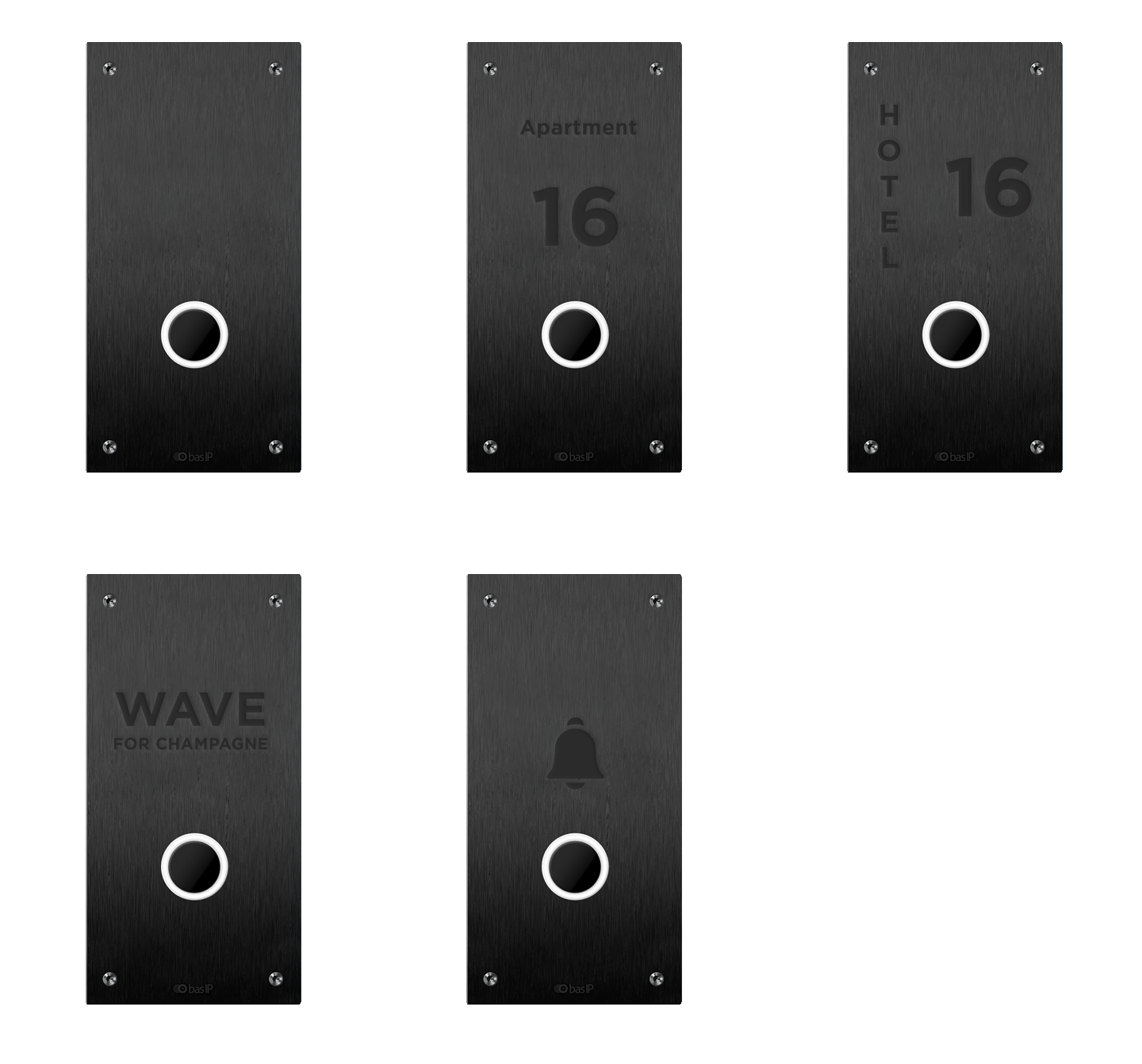
Touchless Intercom
Touchless Intercom

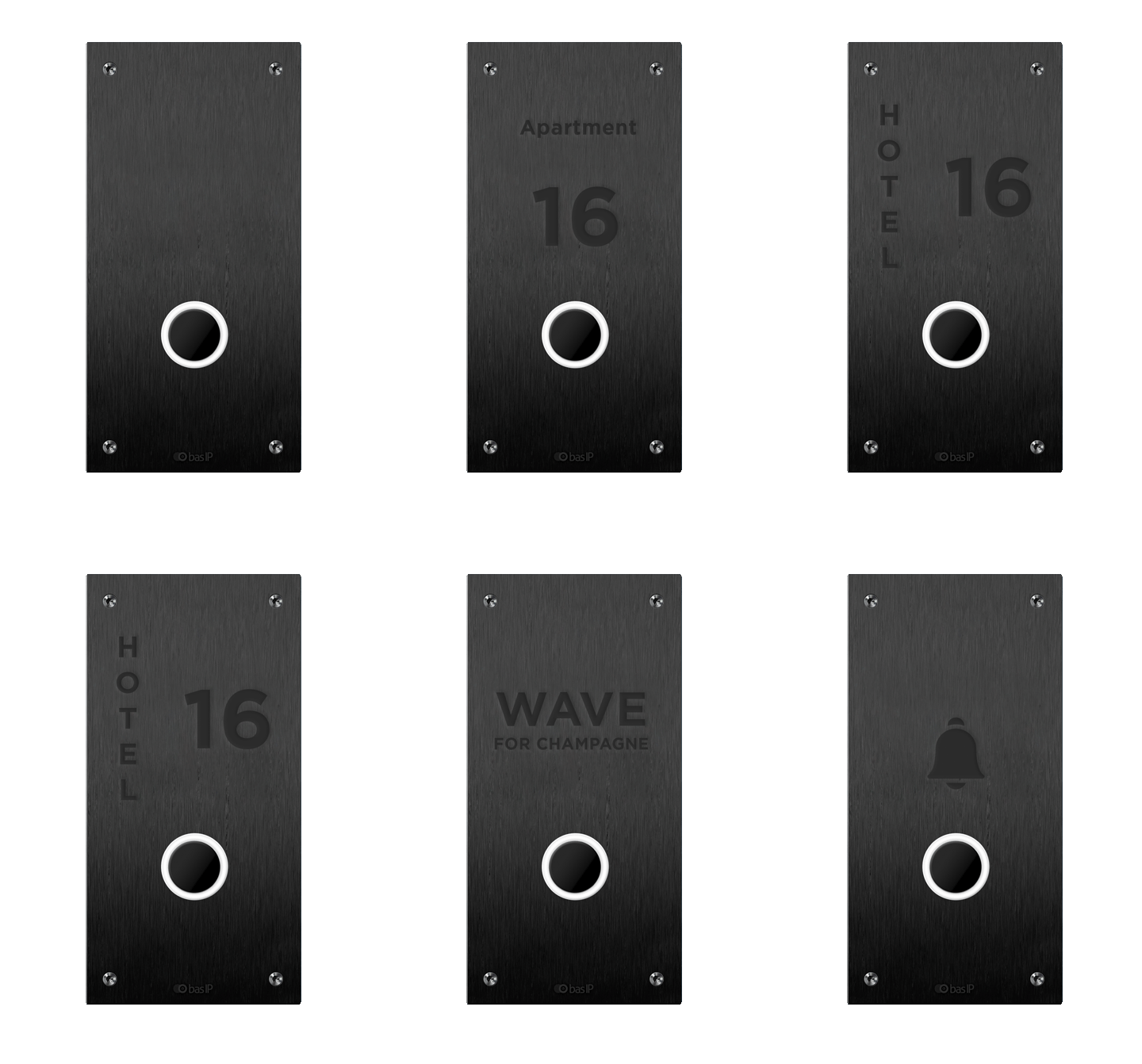
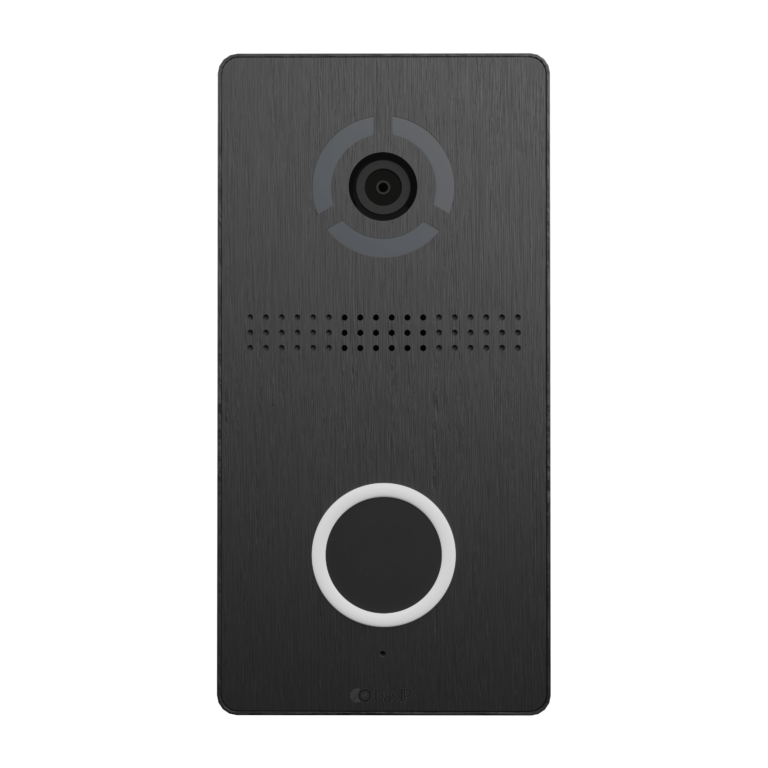
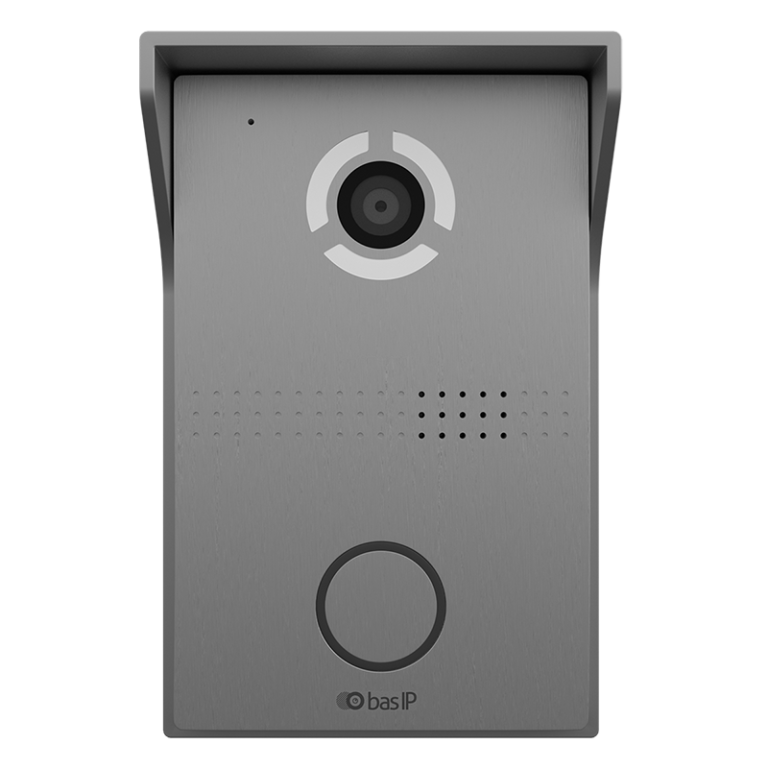
Touchless intercom systems allow people to communicate with one another without having to touch any buttons or surfaces. Instead, they use motion detection and a high-quality microphone and speaker, enabling clear communication between individuals.

Touchless Intercom Hardware
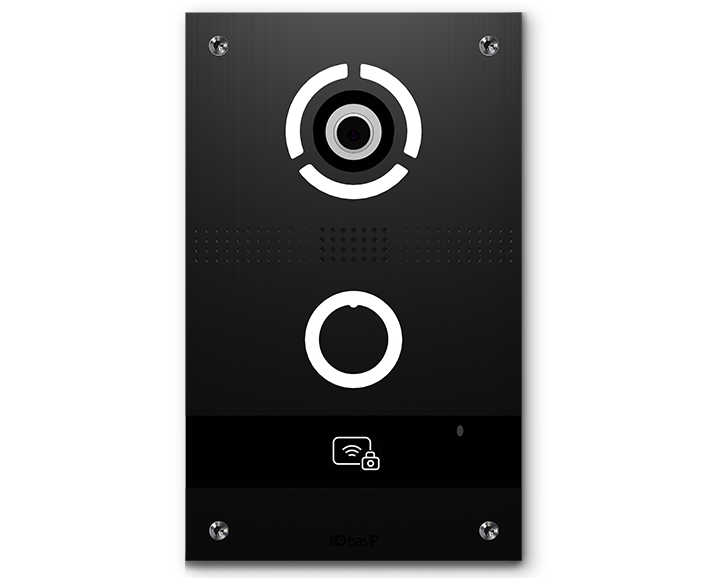
One of the most significant advantages of touchless intercom systems is that they are more hygienic than traditional ones. Touchless intercom systems eliminate the need for users to touch any buttons, which can be a breeding ground for germs and bacteria. It makes them ideal for environments where cleanliness and hygiene are crucial, such as hospitals and clinics.

In addition to touchless intercom systems, touchless access control systems have become increasingly popular. Instead of traditional keys, cards, or fobs, BAS-IP touchless intercom use facial recognition or mobile devices to grant an access.

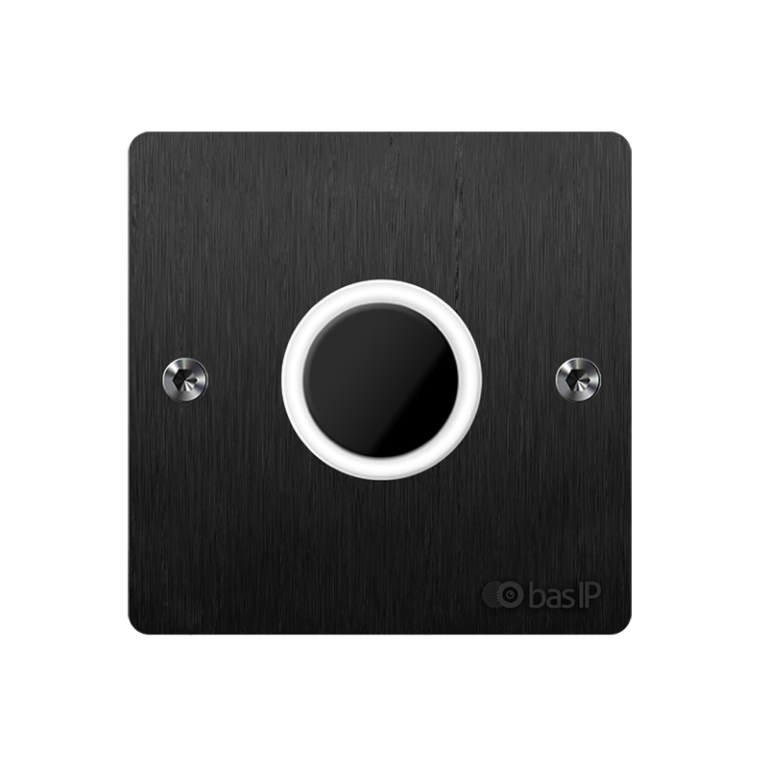
BAS-IP also produces touchless exit buttons that allow users to exit a building or room without touching surfaces. Instead, they use motion detection to detect the presence of a person and automatically open the door.

See also  Hearing Aid With Induction Loops (Telecoils)

In total, touchless intercom and access control systems are becoming an essential part of our daily life. They offer numerous benefits, including increased hygiene, convenience, and security. With the ongoing COVID-19 pandemic, touchless technology has become more critical than ever, and businesses and public spaces must adapt to this new normal to keep people safe and healthy.

similar articles
Articles

Mobile apps have become a standard part of modern intercom systems. Residents can see a visitor and unlock the door from a smartphone, even when they are away from the property. That is why system descriptions often feature an appealing marketing claim: “Free mobile app for residents.” For residents, that claim is often literally true: […]

Articles

Until recently, an indoor monitor was a standard part of a video intercom system: a visitor called from the entrance panel, and the resident answered on a device inside the apartment. Today, that same call can be answered on a smartphone – at home, at work, or on the go. Multifamily owners and property managers […]

Articles

Replacing a door entry panel can appear to be a straightforward technical upgrade: select a suitable device, confirm system compatibility and decide how it will be installed. In London, the route from specification to installation often depends on the status of the building, the ownership of the entrance and any additional controls that apply to […]

Articles

Can a door entry panel be supplied without the manufacturer’s logo on the front? For selected BAS-IP models and project configurations, yes. A logo-free front is one form of bespoke door entry panel customisation. BAS-IP can provide selected multi-occupancy panels for apartment buildings and individual panels for private homes or dedicated entrances without a visible […]

Articles

The entry panel is the first point of contact between a building and a person. And if this building is municipal, social, medical, or educational, the panel at the entrance must be clear and convenient for everyone: the hard of hearing, the visually impaired, elderly people, visitors unfamiliar with the system. AV-08FBIL was designed precisely […]

Articles

A video intercom monitor is often treated as just a screen on the wall. In reality, it is one of the key parts of the system: it is the device through which the user receives the call, sees the visitor, speaks with them and manages access. What a Video Intercom Monitor Is A video intercom […]

Articles

When the word “SIP” appears in the specifications of an intercom or entry panel, it often sounds like something purely technical. In practice, the meaning is much more practical. SIP is a protocol used to establish communication between devices on a network. Put simply, it helps one system “call” another, establish a connection, and begin […]

Articles

When people first come across the term “IP video intercom,” it often sounds more technical than it really is. In practice, the basic idea is fairly simple. An IP video intercom is an intercom system that works over a network. In other words, communication between the entry panel, the indoor monitor, and other devices is […]

Articles

An entry panel is often treated as just “the button by the door.” In reality, it is one of the key elements of the intercom system. It is the device through which a call begins, audio and video are carried, and, in some cases, access, identification, and different entry scenarios are handled. So it is […]

Articles

Access control and a video intercom are often treated as though they were the same thing, because both are linked to entering a building. But they are not quite the same. A video intercom is primarily about communication with a visitor: the call, the conversation, the image, and the decision to release the door. Access […]