
How to Cover Old Intercom System
If you have an old intercom system in your home or office, you may look for ways to cover it up and give your space a more modern look. Fortunately, there are several ways to do this without replacing the entire system. Here are some tips on how to cover old intercom systems:
Use a Cover Plate
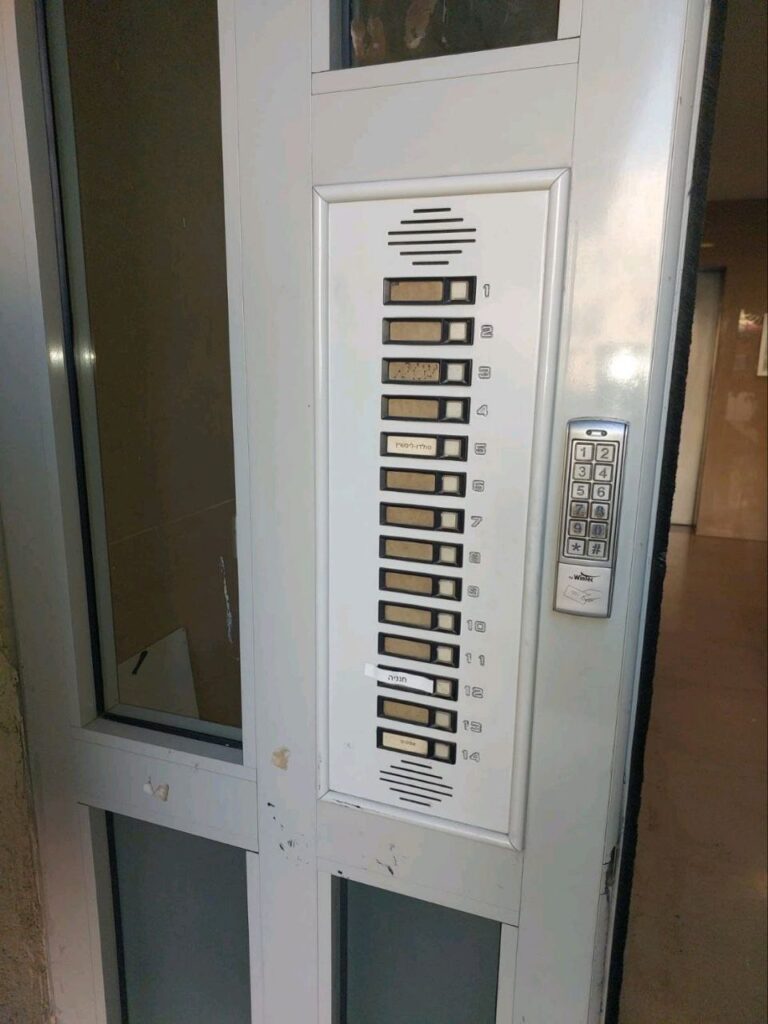
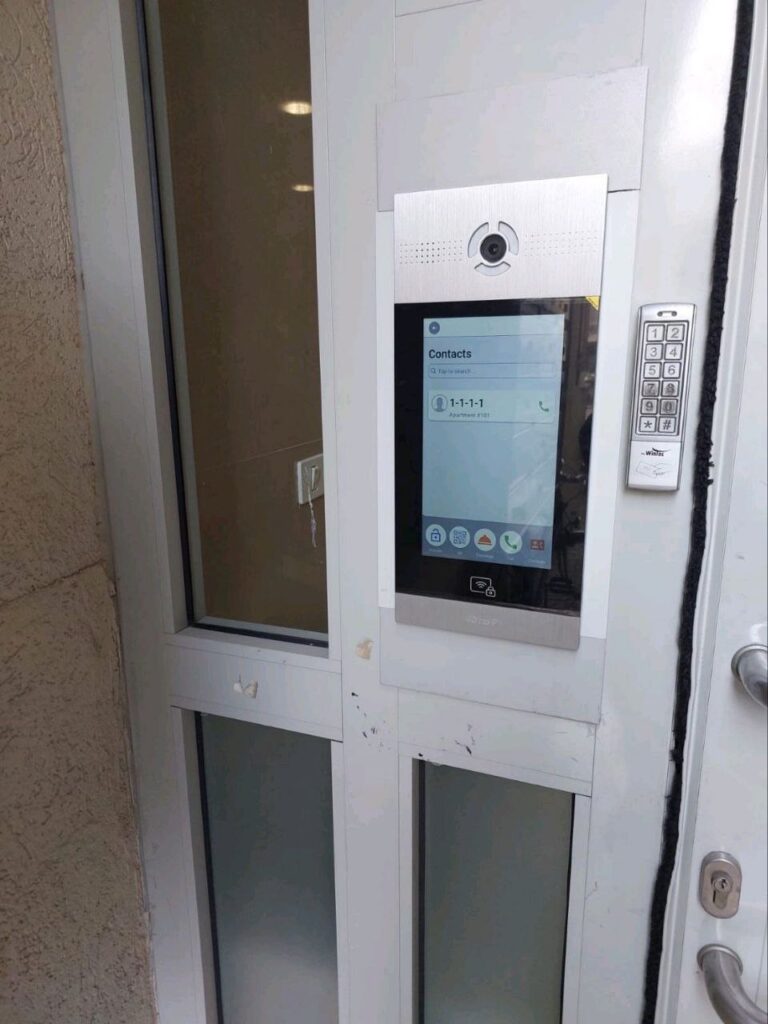
One of the easiest ways to cover an old intercom system is to install a cover plate over the existing unit. This is a simple and inexpensive solution that can instantly update the look of your space. Cover plates come in various sizes and finishes to match your decor.
Install a New Faceplate
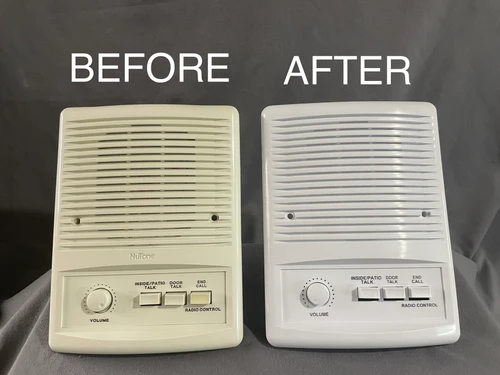
If you want a more customized look, you can replace the faceplate of your old intercom system with a new one. Many manufacturers offer replacement faceplates that can be easily installed over the existing unit. This option lets you choose a design matching your style and preferences.
Remove the System and Patch the Wall: If you no longer need the intercom system and want to completely remove it, you can do so by cutting the wires and removing the unit. Once the system is removed, you can patch the wall with drywall or plaster and paint over it to create a seamless look.
Repurpose the Space: If you don’t want to remove the intercom system, but don’t want it to be the room’s focal point, you can repurpose the space. For example, you could install shelves or a piece of artwork over the unit to create a functional or decorative display.
Upgrade the System

If your old intercom system is still in good working condition but looks outdated, you can upgrade it with new components that match your decor. For example, you could replace the old intercom unit with a new one that has a modern design and features, such as face recognition, multi-factor authentication or keyless entry.
What to Do With Old Intercom System?
If you have an old intercom system that you no longer need or want, there are several options for what you can do with it:
- Sell it: If your old intercom system is still in good working condition, you may be able to sell it to someone who can use it. Consider listing it for sale on online marketplaces such as eBay, Amazon, or Facebook Marketplace.
- Donate it: If you can’t sell your old intercom system, consider donating it to a local school, community center, or nonprofit organization. They may be able to use it for their own communication needs.
- Recycle it: If your old intercom system is no longer functional, consider recycling it instead of throwing it away. Many electronics retailers, such as Best Buy in the US, offer recycling programs for old electronics.
- Repurpose it: If you’re feeling creative, you can repurpose your old intercom system into something new and useful. For example, you could turn the intercom unit into a unique piece of artwork or use the wires and components to create a DIY electronic project.
- Dispose of it responsibly: If you can’t sell, donate, recycle, or repurpose your old intercom system, be sure to dispose of it properly. Check with your local waste management facility to find out how to dispose of electronic waste in your area.
In conclusion, covering up an old intercom system can be a manageable task. With the right tools and a little creativity, you can easily update the look of your space and make the old system blend in seamlessly with your decor. Whether you choose to install a cover plate, replace the faceplate, remove the system, repurpose the space, or upgrade the components, plenty of options are available to help you achieve the look you want.