
Rethinking “Where to Hide a Key in an Apartment Building” – Embrace Keyless Entry Today!
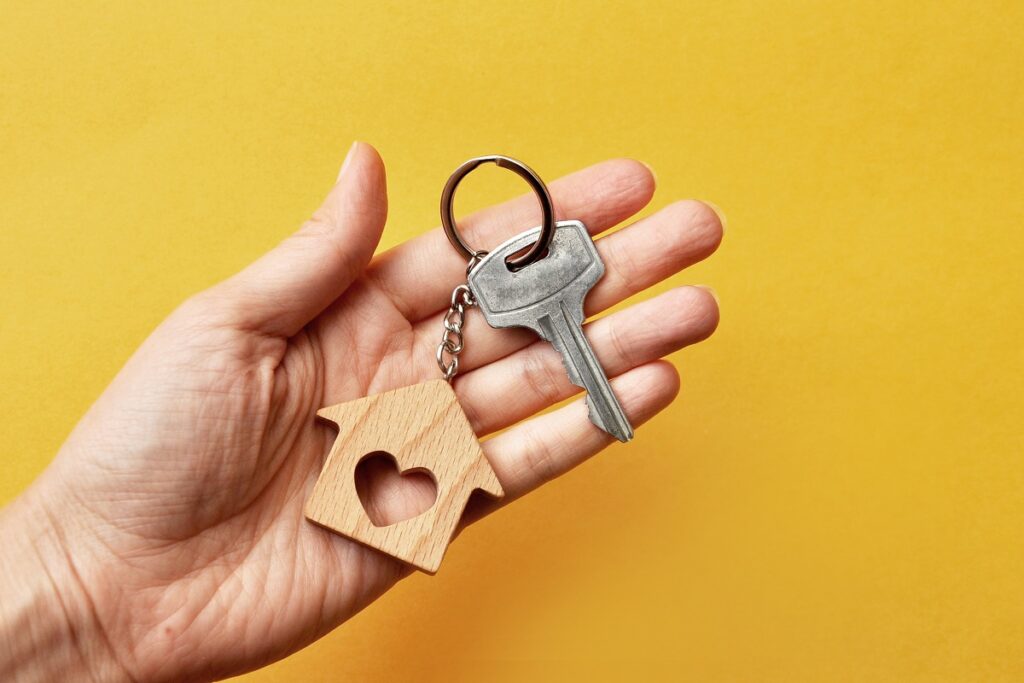
The question of where to hide a key in an apartment building is an age-old dilemma faced by countless renters and homeowners alike. However, with advancements in technology, the need to find the perfect hiding spot for your key is becoming obsolete. Instead of relying on hidden keys, many apartment dwellers are turning to mobile credentials and keyless entry systems to improve security and convenience. In this article, we’ll delve into the world of keyless entry, the drawbacks of hiding keys, and how embracing this modern solution can change your living experience for the better.
Table of Contents
The Downside of Hiding a Key in an Apartment Building
Before we dive into the benefits of keyless entry, let’s first address the risks associated with hiding a key in an apartment building. While it might seem like a smart idea to stash a spare key in a discreet location, this practice can lead to a variety of security issues:
- Unauthorized Access: Even the most well-hidden key can eventually be found by someone with ill intent. This could lead to break-ins, theft, and compromised safety for you and your neighbors.
- Lost or Misplaced Keys: When hiding a key, there is always the risk of forgetting its location or having it accidentally moved. This can lead to lockouts and added stress when trying to regain access to your apartment.
- Inconvenience: Constantly searching for the perfect hiding spot, or remembering where you placed the key can be time-consuming and inconvenient.
With these risks in mind, it’s essential to explore alternative solutions that provide increased security and peace of mind.
Enter the World of Keyless Entry Systems
Instead of asking where to hide a key in an apartment building, consider the advantages of implementing a keyless entry system. These innovative solutions eliminate the need for physical keys, offering a range of benefits:
- Enhanced Security: Keyless entry systems use unique codes, access cards, or biometric identification to grant access. This means you no longer need to worry about unauthorized individuals discovering your hidden key.
- Customizable Access: Many keyless entry systems allow you to manage access for various users, such as family members, friends, or maintenance personnel. This makes it easy to control who has access to your apartment and when.
- Convenience: With keyless entry, you’ll no longer need to fumble for your keys or worry about misplacing them. Simply enter your code or present your access card to unlock the door.
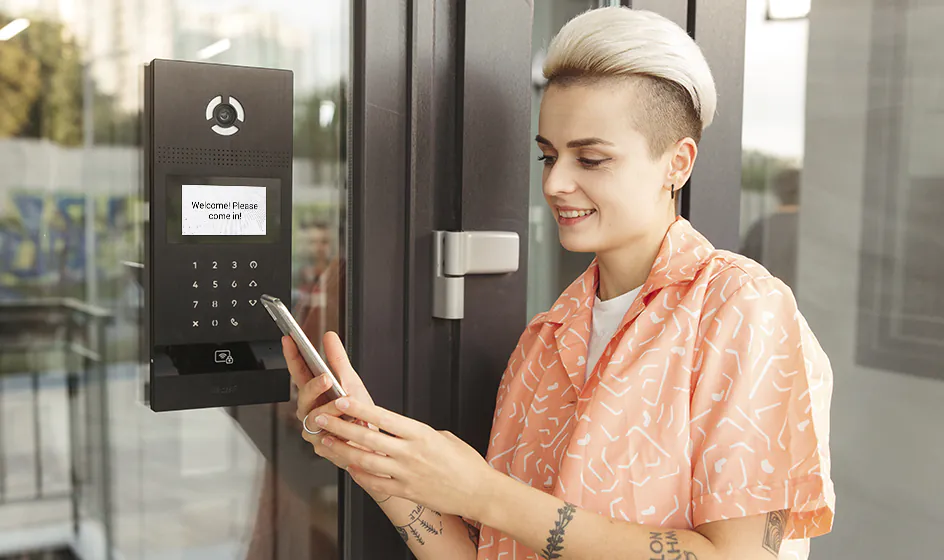
BAS-IP UKEY: A Modern Keyless Entry Solution for Apartment Buildings
One reliable keyless entry system that is gaining popularity in apartment buildings is the BAS-IP UKEY. Designed with both security and convenience in mind, this system offers several features that make it an ideal choice for apartment dwellers:
- Versatile Access Options: The BAS-IP UKEY system allows users to choose between access cards, PIN codes, or even a smartphone app to gain entry to their apartment.
- Easy Management: With the BAS-IP UKEY smartphone app, you can easily manage and control access for multiple users, grant temporary access to visitors, and receive notifications when someone enters your apartment.
- Scalability: The system is designed to accommodate both small and large apartment buildings, making it an ideal solution for various residential settings.
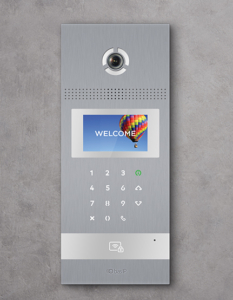
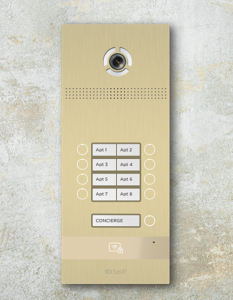
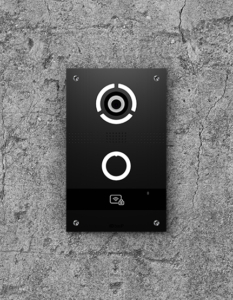
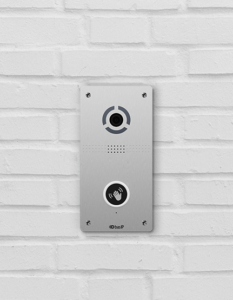
Hardware with UKEY Support

Making the Transition to Keyless Entry: The Future of Apartment Security
As the question of where to hide a key in an apartment building becomes less relevant, it’s time to embrace the future of apartment security – keyless entry systems. Making the transition to a keyless entry system like BAS-IP UKEY is a smart choice for both renters and property managers. Here’s why:
- Tenant Satisfaction: Providing a secure and convenient solution for accessing apartments can significantly improve tenant satisfaction, making your building more attractive to potential renters.
- Cost Savings: By eliminating the need for physical keys and the associated expenses, such as rekeying locks and replacing lost keys, property managers can save money in the long run.
- Reduced Liability: With improved security and controlled access, property managers can reduce the risk of break-ins and theft, ultimately minimizing potential liability.
Conclusion
The age-old question of where to hide a key in an apartment building can finally be put to rest. With the advent of keyless entry systems like BAS-IP UKEY, apartment dwellers and property managers can enjoy enhanced security, convenience, and peace of mind. Say goodbye to the days of hiding keys and welcome the future of apartment security – it’s time to make the switch to keyless entry today.