Solving Friction in Modern Door Entry: Lessons from The Security Event
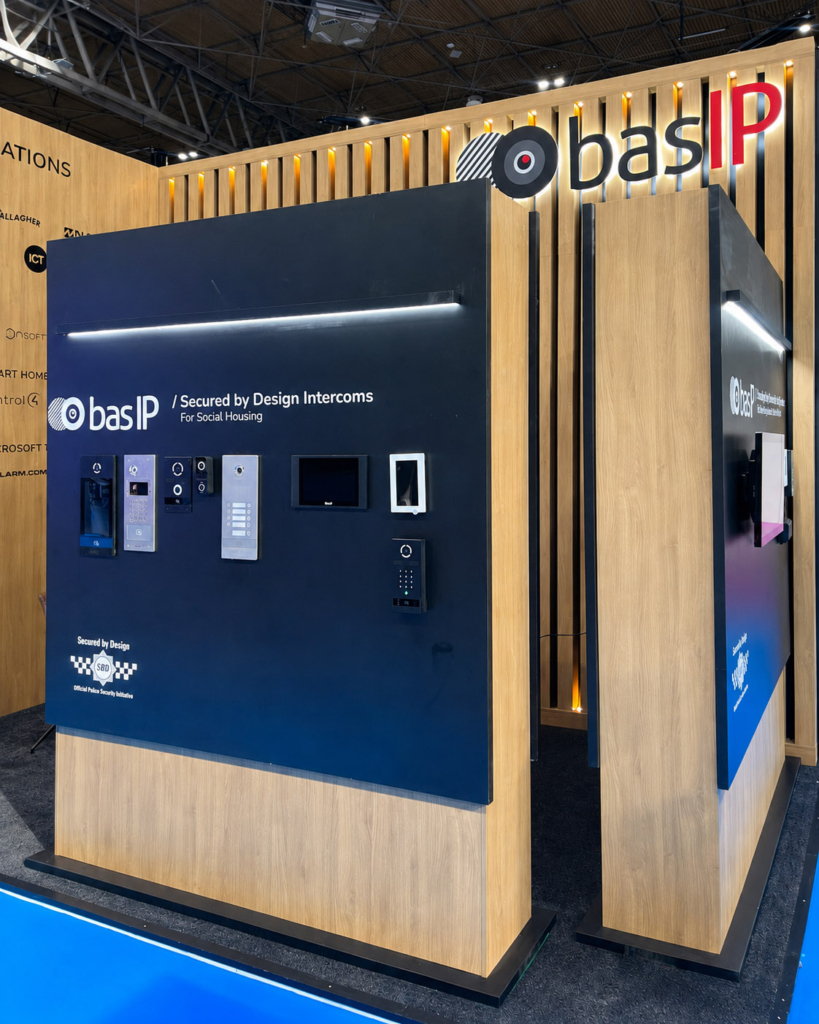
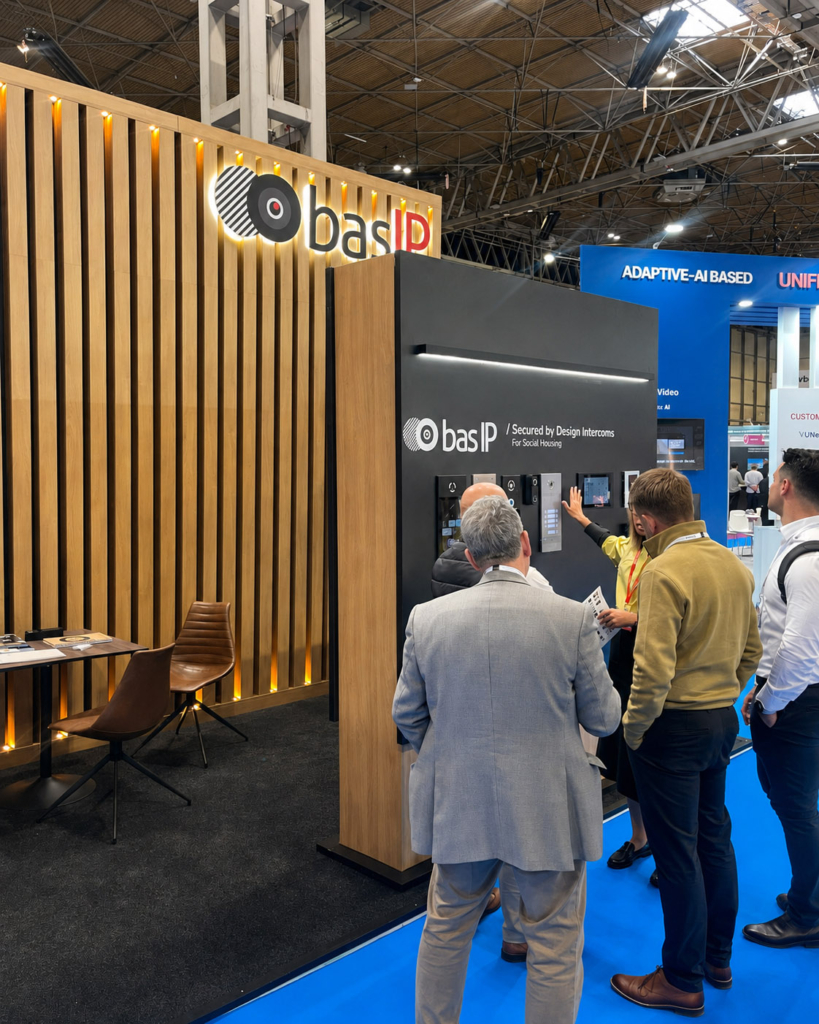
Following a successful showing at The Security Event 2026 in Birmingham, we’ve taken a moment to reflect on what truly defines a successful exhibition. While our stand was constantly buzzing with activity, the real value lay in the shift we observed in the industry’s dialogue. It’s no longer just about the hardware on display; it’s about how these systems solve real-world challenges for MDUs and residential projects throughout their entire lifecycle.
A busy booth is not the real success of a trade show.
The real test starts when people stop asking:
“What is this device?”
And start asking:
“How would this work in a live residential building?”
“How easy is it for installers to configure?”
“What happens after handover?”
“Can it scale across multiple entrances and sites?”
“How does it integrate with the systems already used on the project?”
That was the most valuable part of our time in Birmingham.
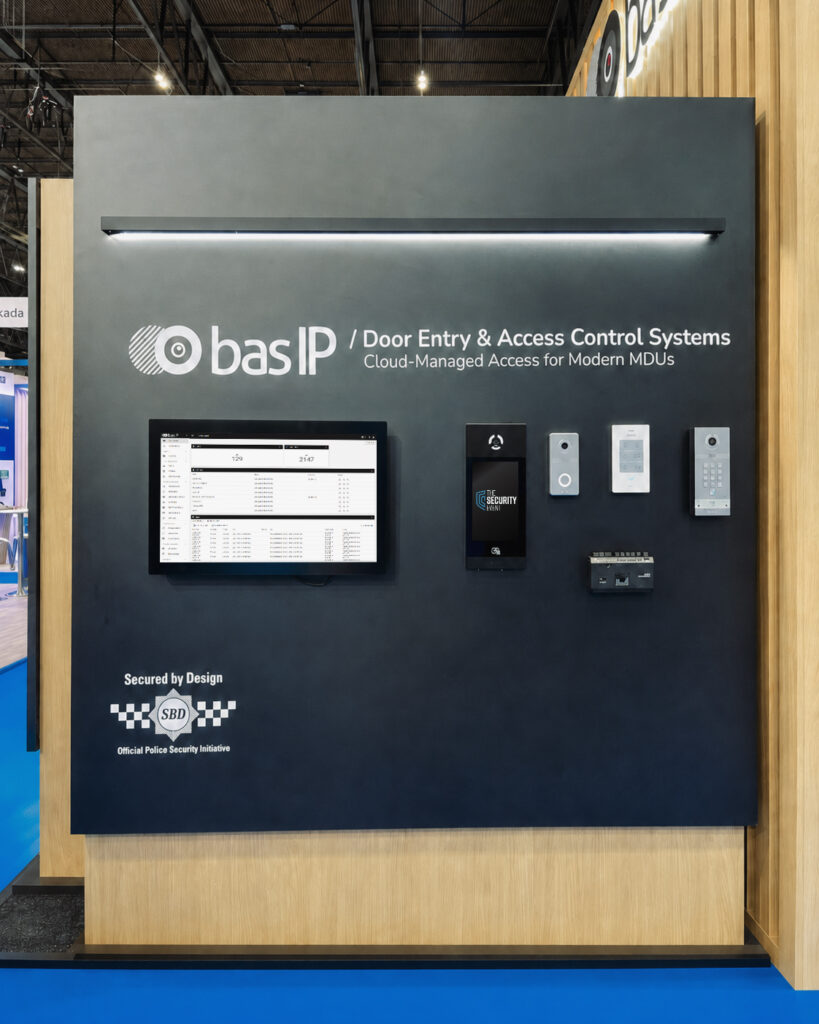
At BAS-IP, we see door entry and access control moving beyond standalone devices. The market is looking for systems that reduce operational friction — not only during installation, but throughout the full lifecycle of a building.
For residential buildings, social housing and MDU projects, that means:
reliable door entry,
cloud-managed access,
clear installer workflows,
useful integrations,
strong design,
and support that remains valuable after handover.
The strongest conversations we had in Birmingham confirmed one thing:
In modern residential access control, the product is not only the panel on the wall.
The product is the full experience around it.
Thank you to everyone who visited the BAS-IP stand and challenged us with real project questions.
For those working with residential buildings, social housing or MDU projects: what usually creates the biggest friction after installation — configuration, integrations, resident onboarding, service calls, or something else?