
Emergency Communication Systems: Use Cases, Benefits, Key Features
An emergency communication system plays a crucial role in ensuring the safety and security of individuals and properties. In this article, we will explore what an emergency communication system is, its use cases, and the benefits of using the BAS-IP emergency communication system. We will also delve into the wiring and setup of this innovative solution. Let’s begin by understanding the basics of emergency communication systems.

What is an Emergency Communication System?
An emergency communication system (ECS) is a comprehensive solution that enables instant and efficient communication during emergencies or crisis situations. These systems are designed to provide timely and accurate information, facilitating rapid response and coordination among various stakeholders, such as first responders, emergency services, and the general public.
ECS Use Cases
Emergency communication systems find applications in various sectors, including:
Residential Communities
In residential areas, these systems can be used to alert residents of emergencies, such as fires, gas leaks, or security breaches.
Educational Institutions
Schools and universities can use emergency communication systems to inform students, staff, and parents about lockdowns, evacuations, or other crisis situations.
Commercial and Industrial Facilities
Companies can use these systems to ensure employee safety by quickly communicating emergencies and providing evacuation instructions.
Public Spaces
In parks, stadiums, and other public areas, emergency communication systems can help guide people to safety during incidents like natural disasters, terror attacks, or accidents.
Tunnels and Road Highways
Emergency communication systems are essential for maintaining safety in tunnels and road highways. In the event of accidents, fires, or other emergencies, these systems enable efficient communication with drivers and emergency responders, providing timely warnings, guidance, and assistance.
Best Emergency Communication Devices
The BAS-IP emergency communication system comprises a range of cutting-edge devices designed to provide seamless and efficient communication during emergencies. Some of these essential devices include:
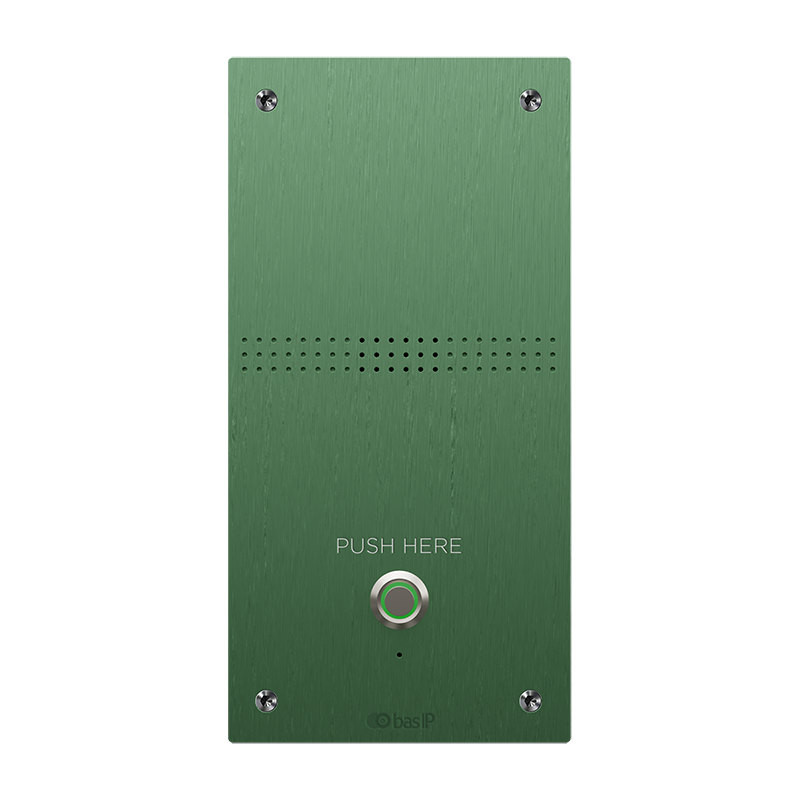
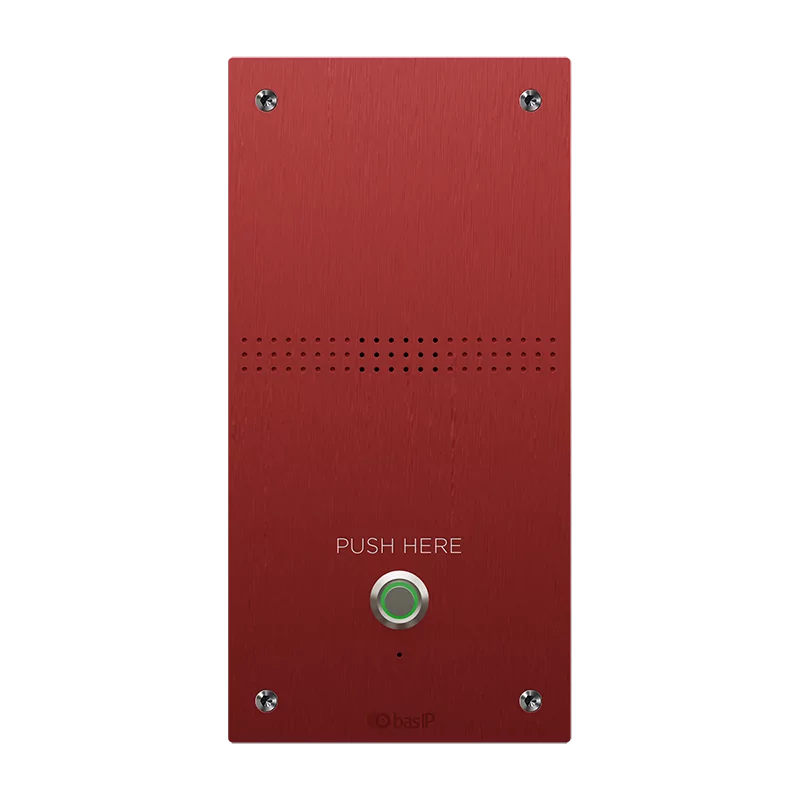
Emergency Intercom
The AV-04AFD is a vandal-proof emergency intercom device featuring a full-duplex audio channel and noise reduction capabilities. With its robust design and IP65 protection, this intercom is built to withstand harsh conditions, making it ideal for outdoor installations.
Concierge Terminal
The AM-02 is a sophisticated concierge terminal that streamlines communication between residents, visitors, drivers, and security personnel. It features a user-friendly interface, crystal-clear audio, and seamless integration with other BAS-IP devices, providing a comprehensive solution for managing emergency communication.

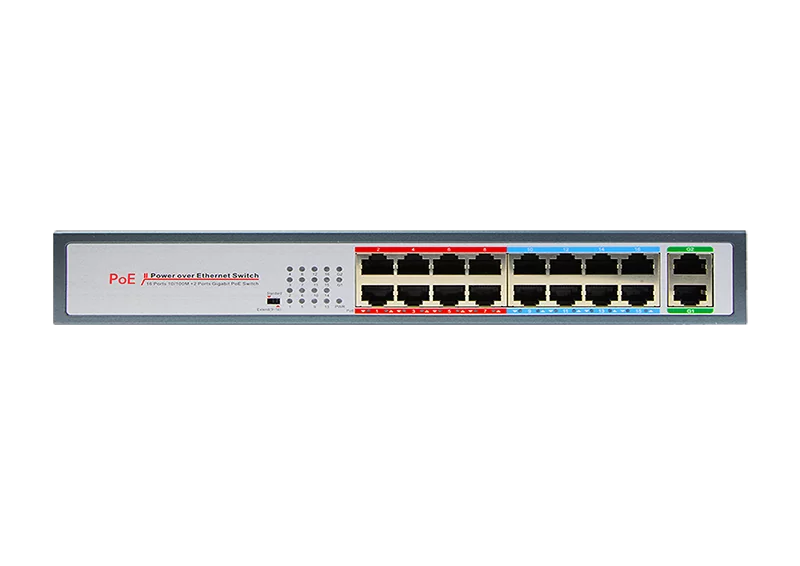
PoE Switches
Power over Ethernet (PoE) switches play a crucial role in the BAS-IP emergency communication system by providing both data and power to connected devices through a single Ethernet cable. This simplifies installation and reduces cable clutter, making the system more efficient and reliable. Discover the range of PoE switches offered by BAS-IP.
These advanced emergency communication devices work together to form a robust and reliable BAS-IP emergency communication system, ensuring swift and effective communication during critical situations.
Benefits of Using BAS-IP Emergency Communication System
The BAS-IP emergency communication system stands out for its exceptional features and advantages, such as:
- Easy Integration. BAS-IP systems are compatible with a wide range of devices, making it easier to integrate into existing infrastructure, making it a cost-effective solution for enhancing safety and security.
- Enhanced Security. With features like access control and video surveillance, BAS-IP systems improve overall security and allow for real-time monitoring.
- Scalability. BAS-IP systems can be easily expanded to accommodate growing needs, making them suitable for various applications, from small residential communities to large commercial complexes.
- User-Friendly Interface. The intuitive interface of BAS-IP systems ensures that users can quickly and efficiently navigate the system during emergencies.
Wiring and Setup
BAS-IP emergency communication system is based on CAT5 IP (Ethernet) technology, ensuring reliable and fast communication.
FAQs
Conclusion
The BAS-IP emergency communication system is a game-changer in the realm of safety and security. With its easy integration, scalability, enhanced security features, and user-friendly interface, it offers a reliable and efficient solution for various applications. Whether it’s a residential community, an educational institution, or a commercial facility, the BAS-IP system can be tailored to meet specific needs, ensuring the well-being of people and properties. By choosing the BAS-IP emergency communication system, you are investing in a future-proof solution that can adapt to changing requirements and provide a high level of protection in today’s dynamic world.