
Intercom Installers: 5 Key Insights for a Secure Home 🏠

The world is becoming increasingly interconnected, and the demand for secure, reliable communication systems is on the rise. As such, professional intercom installers are becoming an essential service for both residential and commercial properties. But what does their work entail, and why is it so crucial? Let’s delve into the world of intercom installation to find out.
5 Key Insights
1. Expertise and Experience: Professional intercom installers have the necessary training and experience to handle the complexities of the installation process. They understand the technical aspects of different intercom systems and can ensure that the system is installed correctly and safely.
2. Proper System Selection: Intercom systems come in various types and models, each with its own set of features and specifications. A professional installer can provide valuable advice on the best system for your needs, considering factors such as your property’s layout, your specific communication and security needs, and your budget.
3. Quality Installation: A poorly installed intercom system can lead to numerous problems, including poor sound or image quality, frequent breakdowns, and even security risks. Professional installers have the skills and tools to ensure a high-quality installation, reducing the risk of future problems.
4. Time and Cost Efficiency: While hiring a professional installer involves an upfront cost, it can save you money in the long run. A professional can complete the installation more quickly and efficiently than an amateur, and the result is likely to be more reliable, reducing the need for costly repairs or replacements in the future.
5. Warranty and Support: Many intercom system manufacturers offer a warranty on their products, but these warranties often require professional installation. In addition, professional installers typically provide support after the installation, so if you have any problems or questions, you’ll have an expert to turn to.
Table of Contents
What is an Intercom System?
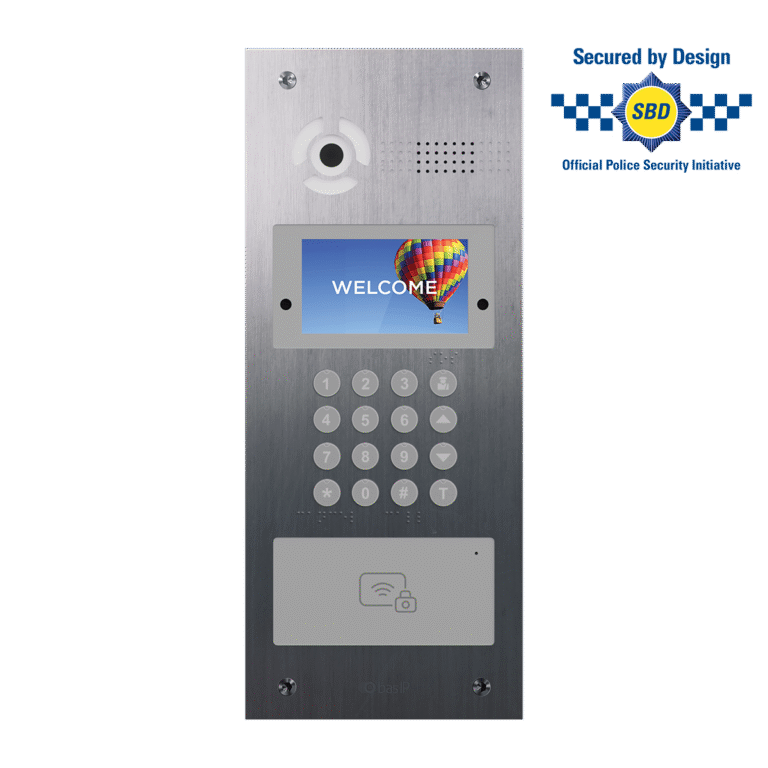
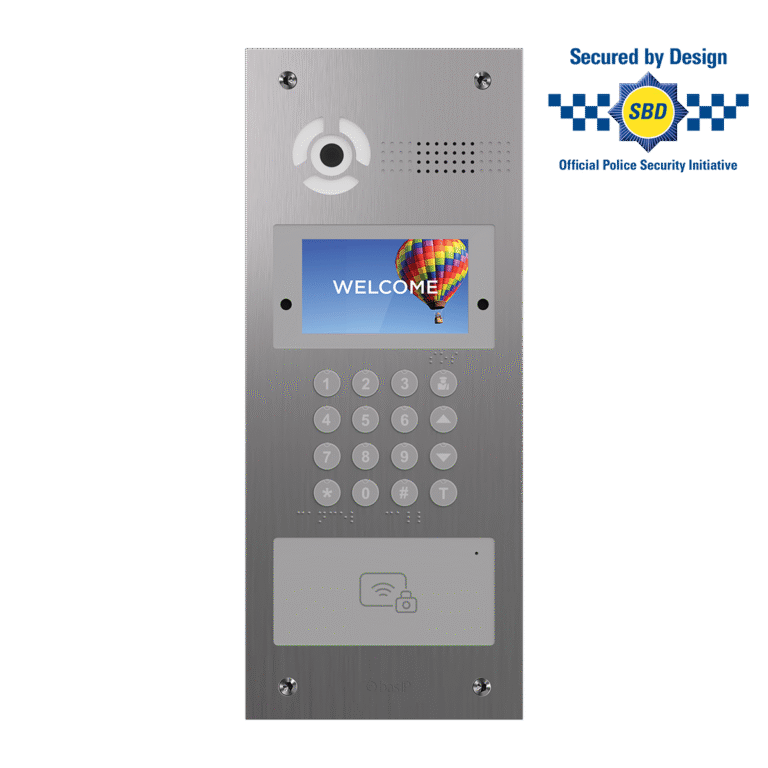
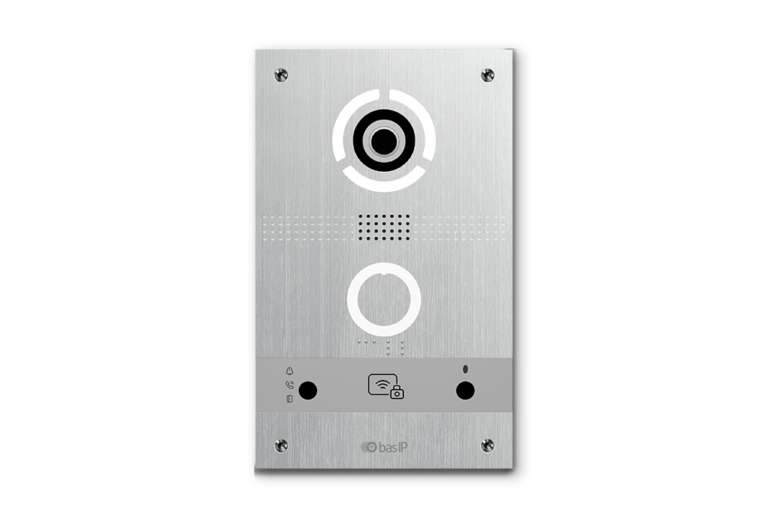
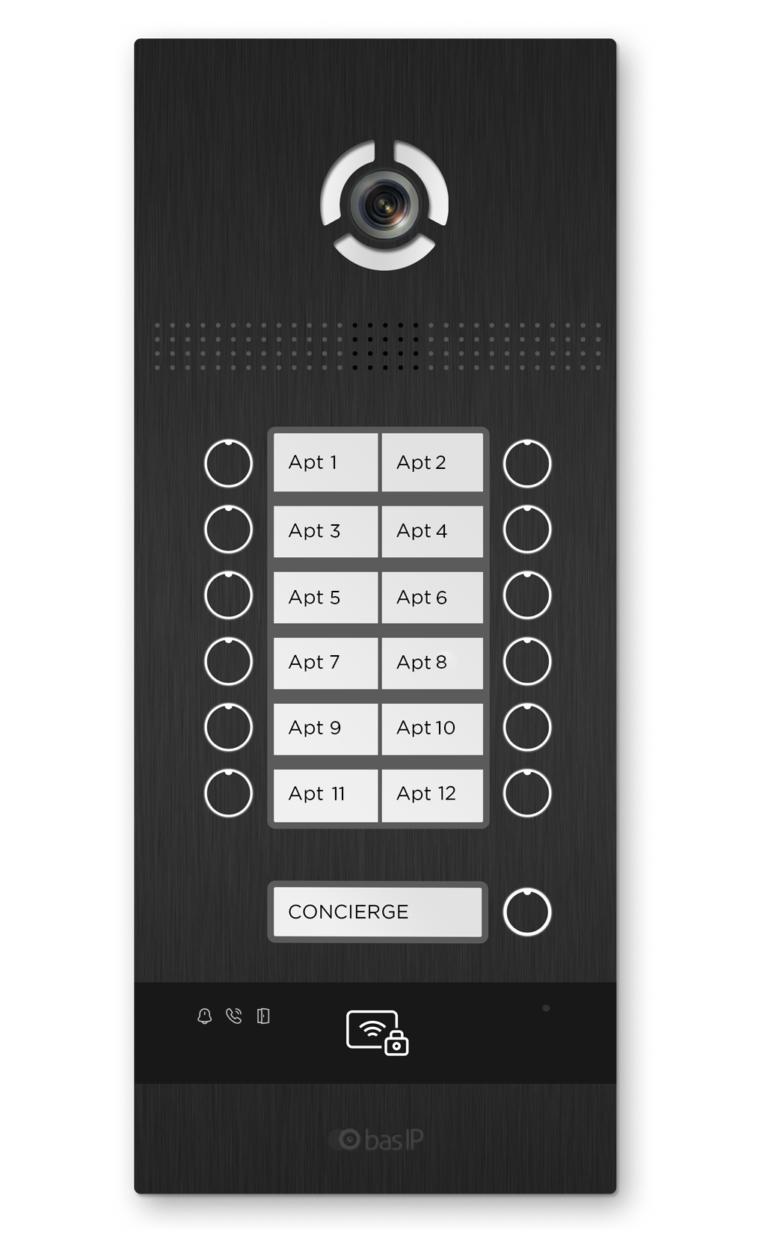
Door Entry Panels
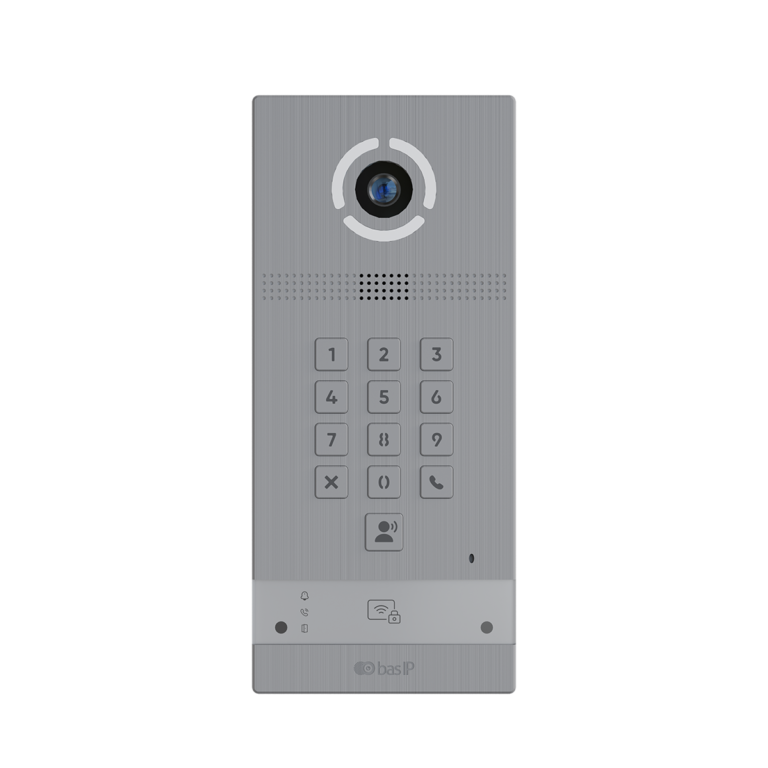
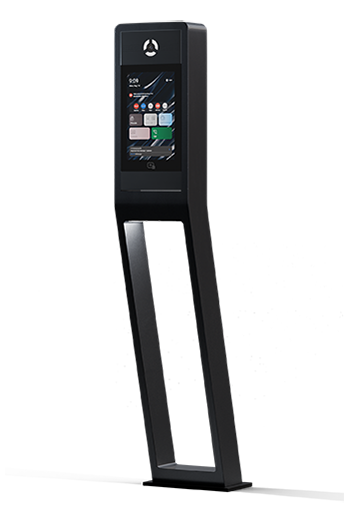
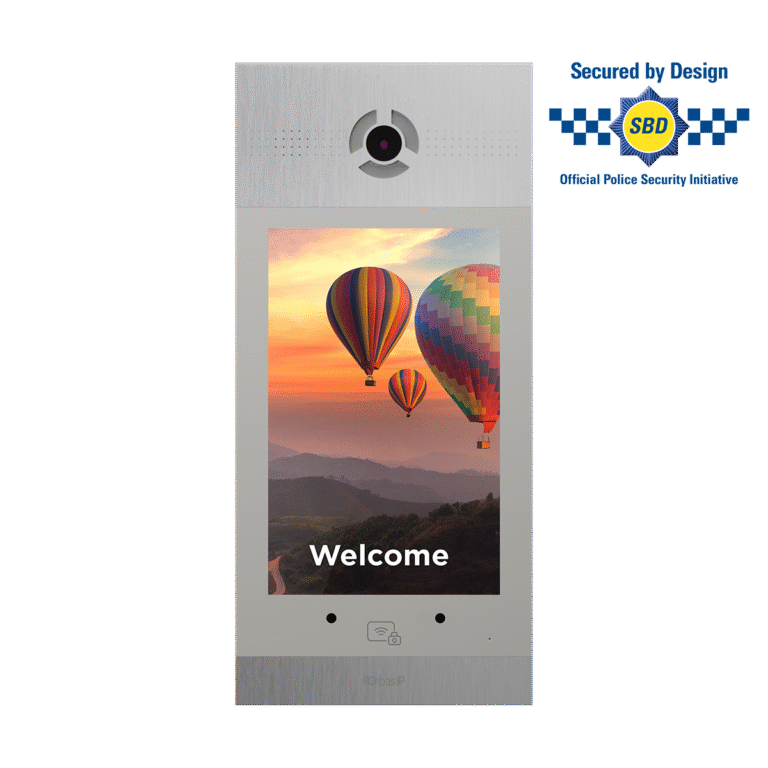
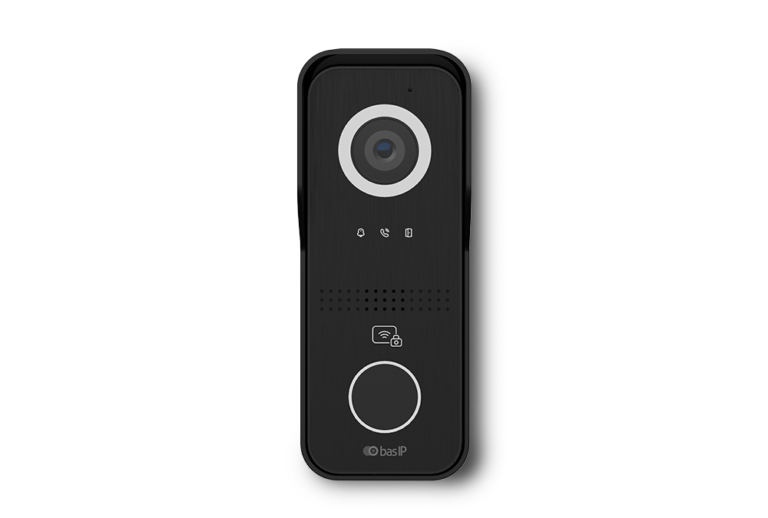

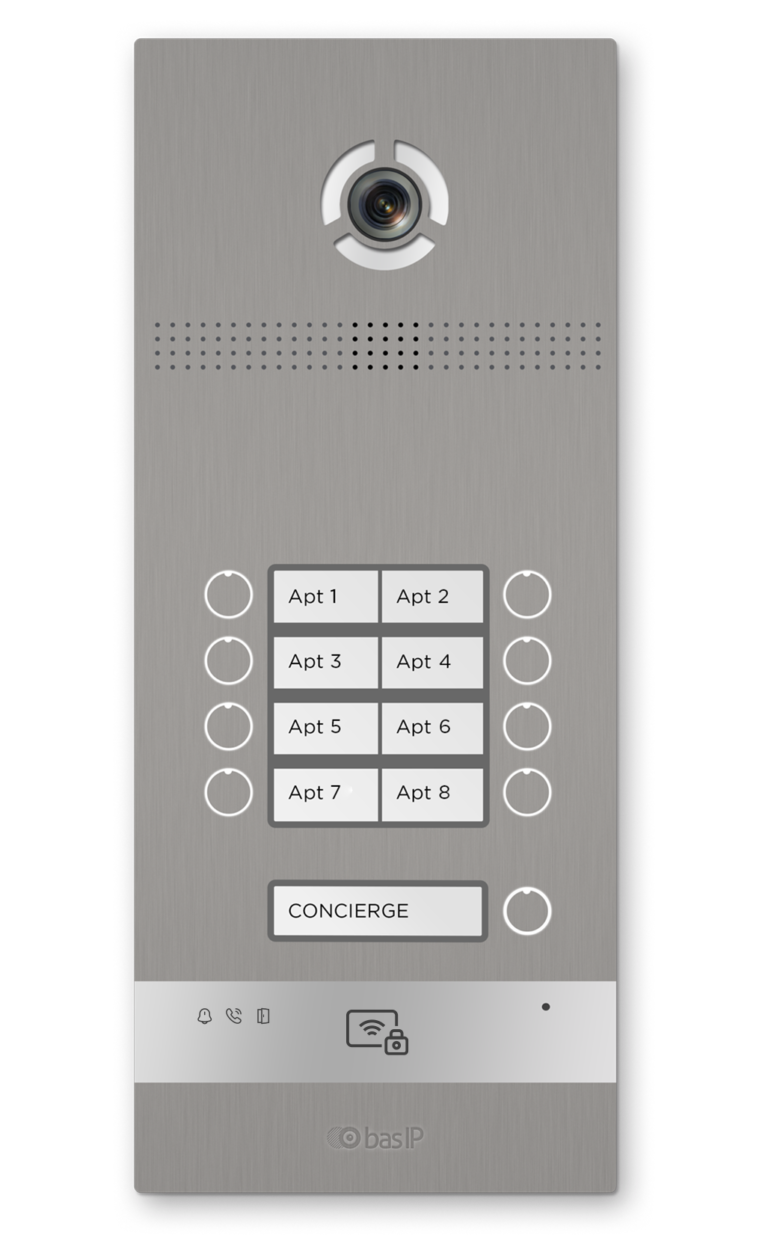
Understanding Intercom Systems
An intercom system is a standalone communication system used within a building or a collection of buildings. It functions independently of the public telephone network. The types of intercom systems vary widely, from simple two-way doorbells to complex systems used in large businesses.
Types of Intercom Systems
With the advent of new technologies, intercom systems have become increasingly sophisticated and versatile. Here are the main types of intercom systems:
| Type | Description |
|---|---|
| Wireless | Uses radio frequencies or Wi-Fi |
| Wired | Relies on physical cables |
| Video | Allows for visual communication |
| Phone-based | Allows communication using a standard telephone line |
| IP Intercoms | Uses internet protocol (IP) technology to communicate |
| Gate Intercom Systems | Commonly used in gated communities |
The Importance of Professional Intercom Installation
Professional intercom installation is crucial for several reasons. While it might be tempting to attempt a DIY installation, particularly for simpler systems, there are several factors that make professional installation the smarter choice:
1. Expertise and Experience
Professional intercom installers have the necessary training and experience to handle the complexities of the installation process. They understand the technical aspects of different intercom systems and can ensure that the system is installed correctly and safely. They are also familiar with building codes and regulations, ensuring the installation is compliant.
2. Proper System Selection
Intercom systems come in various types and models, each with its own set of features and specifications. A professional installer can provide valuable advice on the best system for your needs, considering factors such as your property’s layout, your specific communication and security needs, and your budget.
3. Quality Installation
A poorly installed intercom system can lead to numerous problems, including poor sound or image quality, frequent breakdowns, and even security risks. Professional installers have the skills and tools to ensure a high-quality installation, reducing the risk of future problems.
4. Time and Cost Efficiency
While hiring a professional installer involves an upfront cost, it can save you money in the long run. A professional can complete the installation more quickly and efficiently than an amateur, and the result is likely to be more reliable, reducing the need for costly repairs or replacements in the future.
5. Warranty and Support
Many intercom system manufacturers offer a warranty on their products, but these warranties often require professional installation. In addition, professional installers typically provide support after the installation, so if you have any problems or questions, you’ll have an expert to turn to.
The Process of Intercom Installation
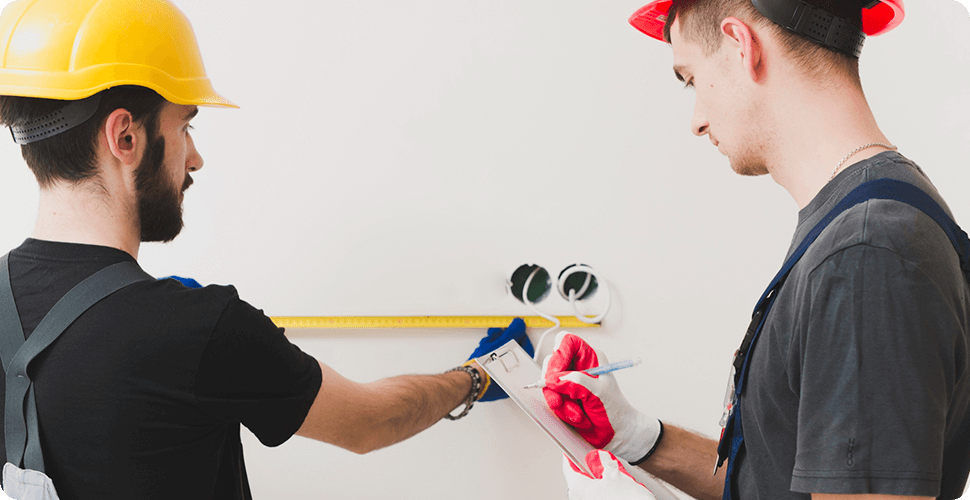
The process of intercom installation, particularly for IP intercom systems, involves several steps that require technical knowledge and precision. Here’s a detailed breakdown of the process based on the guide provided by BAS-IP.
Step 1: Plan the Installation
The first step involves identifying where the outdoor and indoor intercom units will be installed. The outdoor unit should be easily accessible for visitors, while the indoor unit should be conveniently located for users. Both devices should be within the range of your network and have access to a power source if not using Power over Ethernet (PoE).
Step 2: Mount the Outdoor Unit
After marking the screw hole positions on the wall according to the mounting template provided with your intercom device, you drill the holes and attach the mounting bracket to the wall. The Ethernet cable is then connected to the outdoor unit’s LAN port, and the outdoor unit is secured to the mounting bracket.
Step 3: Mount the Indoor Unit
The process for mounting the indoor unit is similar to that of the outdoor unit. After marking and drilling the holes, you attach the indoor unit mounting bracket to the wall, connect the Ethernet cable to the indoor unit’s LAN port, and secure the indoor unit to the mounting bracket.
Step 4: Connect Devices to the Network
The other ends of the Ethernet cables are connected to the PoE-enabled network switch or router. Both devices should be powered up and connected to the network.
Step 5: Configure the IP Intercom System
This step involves accessing the intercom’s web interface using the default IP address, username, and password provided by the manufacturer. After logging in, you should change the default login credentials for security purposes and assign unique IP addresses to each intercom device. You can then configure the audio and video settings and set up any additional features, such as call forwarding, door release, or integration with third-party systems.
Step 6: Test the System
After the installation and configuration, it’s important to test the system to ensure everything is working properly. This includes testing the audio and video quality, verifying that the door release function works correctly, and ensuring that any additional features or integrations are functioning as intended.
Step 7: Install the IP Intercom Software
Some IP intercom systems come with dedicated software for monitoring and managing the system from a computer or mobile device. If applicable, you should install this software on your devices and configure it according to the manufacturer’s instructions.
By following these steps, you can ensure a successful installation of your IP intercom system. However, due to the technical nature of the process, it’s often best to hire professional intercom installers to ensure the job is done correctly and safely.
Finding a Professional Intercom Installer

Finding a professional intercom installer in the US, UK, and EU involves a bit of research. Here are some ways you can find a reliable installer in these regions:
Online Directories
Online directories list businesses and services in various categories. Websites like Yellow Pages, Yelp, and Angie’s List can be a good starting point. You can search for intercom installers in your specific area and see ratings and reviews from previous customers.
Manufacturer’s Website
If you’ve already chosen a specific intercom system, check the manufacturer’s website. Many manufacturers have a ‘Find an Installer’ feature or can provide a list of certified installers in your area.
Trade Associations
Trade associations often have directories of their members. In the UK, for example, the Security Systems and Alarms Inspection Board (SSAIB) and the National Security Inspectorate (NSI) list certified security system installers, including intercom installers.
Local Listings
Check your local newspaper or community bulletin board. Local businesses often advertise in these places.
Personal Recommendations
Ask friends, family, or neighbors if they’ve had an intercom system installed and can recommend the installer.
Online Search
A simple online search can also yield results. Use search terms like “intercom installation [your city]” or “intercom installers near me”.
Remember, once you’ve found potential installers, it’s important to do your due diligence. Check their credentials, read reviews, ask for references, and get multiple quotes before making your decision.
Hiring a Professional Intercom Installer

Hiring a professional intercom installer is a crucial step in ensuring the successful implementation of your intercom system. Here are some factors to consider when choosing an installer:
Certifications
Intercom installers should have the necessary certifications that demonstrate their competence in the field. These certifications show that they have undergone the necessary training and have the knowledge and skills to install intercom systems correctly and safely.
Experience
Experience is a significant factor when choosing an installer. An experienced installer will have dealt with a variety of installation scenarios and will be better equipped to handle any challenges that may arise during the installation process. They will also be more familiar with different types of intercom systems and will be able to recommend the best system for your specific needs.
Reviews and References
Look at reviews and ask for references to get an idea of the installer’s reputation. Reviews can provide insights into the installer’s professionalism, reliability, and quality of work. You can also reach out to past clients to hear about their experiences firsthand.
Cost
While cost should not be the only factor in your decision, it is an important consideration. Get quotes from several installers to get an idea of the average cost. However, be wary of quotes that seem too good to be true; a significantly lower price might mean the installer is cutting corners or lacks experience.
Services Offered
Some installers offer additional services such as system maintenance, repairs, and upgrades. These services can be beneficial in the long run, as they can ensure your system remains in good working condition.
Customer Service
Good customer service is a positive sign. The installer should be responsive to your inquiries, patient in answering your questions, and clear in their communication. This can indicate how they will handle any issues that might arise during the installation process.
Remember, the goal is to find a professional intercom installer who can provide a high-quality, reliable installation that meets your specific needs. It’s worth taking the time to do your research and choose the right installer for the job.
Case Study: Successful Intercom Installation

A case study of a successful intercom installation can provide valuable insights into the process and benefits of professional installation. Here’s an example:
Project Overview
A large residential complex in London, UK, was looking to upgrade their existing intercom system to improve security and convenience for residents. The complex consisted of multiple buildings with hundreds of individual units, making the project quite challenging.
The Challenge
The main challenges in this project were the scale of the installation and the need to minimize disruption to residents. The existing intercom system was outdated and lacked features that residents had requested, such as video communication and remote access via smartphones. The buildings were also spread out over a large area, which posed logistical challenges.
The Solution
The property management hired a team of professional intercom installers who were experienced in large-scale projects. The team proposed a state-of-the-art IP intercom system that included video functionality and could be integrated with a smartphone app for remote access.
The installation was carefully planned to minimize disruption to residents. The installers worked building by building, ensuring that residents had access to the new system as soon as their building was completed. They also provided training to residents on how to use the new system and the smartphone app.
The Result
The installation was completed on time and within budget. The new intercom system was well-received by residents, who appreciated the improved security and convenience. The property management reported fewer security incidents and higher resident satisfaction since the installation.
This case study demonstrates the value of professional intercom installation. Despite the challenges posed by the scale of the project and the need to minimize disruption, the professional installers were able to deliver a high-quality, well-received intercom system that met the needs of the residents and improved security in the complex.
Maintenance and Troubleshooting of Intercom Systems
Maintaining and troubleshooting your intercom system is crucial for its longevity and optimal performance. Here’s a condensed guide:
1. Importance of Maintenance: Regular upkeep prevents security breaches, ensures clear communication, and extends the system’s lifespan.
2. Types of Systems: Intercom systems can be wired or wireless. Each type has its own maintenance needs.
3. Environmental Impact: Weather and location-specific conditions can affect the system’s performance. Choose systems designed to withstand these conditions.
4. Common Issues: Poor audio quality, power failures, and connectivity problems are common issues that can be identified and resolved with regular maintenance.
5. Basic Maintenance Tips: Regular cleaning, visual inspections, and software updates are essential.
6. Maintenance Checklist: A checklist includes visual inspection, cleanliness, power supply check, wiring and connections check, audio quality test, functionality test, software/firmware updates, backup and restore, documentation, and scheduling future maintenance.
7. Training: Proper training can help individuals understand the system’s workings, identify potential issues, and carry out basic maintenance tasks.
For more detailed information, refer to the full article.
Conclusion
In conclusion, intercom systems play a vital role in enhancing the security and convenience of both residential and commercial properties. They provide a reliable means of communication within a building or a complex, and when integrated with other security measures, they can significantly improve the overall safety of a property.
However, the effectiveness of an intercom system largely depends on its proper installation and maintenance. This is where professional intercom installers come into play. Their expertise and experience are invaluable in ensuring that the system is correctly installed, functions optimally, and is well-maintained over time.
Choosing the right intercom system and the right professional installer requires careful consideration. Factors such as the specific needs of the property, the features of the intercom system, the credentials of the installer, and the after-sales support they provide should all be taken into account.
In essence, professional intercom installers are not just service providers; they are partners in ensuring the safety and security of your property. By understanding their work and the value they provide, property owners can make informed decisions and get the most out of their intercom systems.