
Skip to Content
Go back

Bye-Bye Guest Cards for Apartments, Hello QR Codes

The Tides are Changing in Apartment Guest Access

Picture this: you’re expecting friends for a get-together at your apartment, but the process of handing out guest cards feels like a never-ending game of hot potato. Fret not, for there’s a new kid on the block – QR codes. Gone are the days of dealing with cumbersome guest cards for apartments. Let’s dive into this innovative solution that’s shaking up the world of apartment access, making life easier for residents and property managers alike.

Why Guest Cards for Apartments are Falling out of Favor

Inconvenience at its Finest

Guest cards for apartments have long been a necessary evil. Residents need to pick up the cards, distribute them to their visitors, and ensure they are returned. This process can be a headache for everyone involved, especially when cards are misplaced or forgotten.

Security Concerns

Despite their widespread use, guest cards come with inherent security risks. Unauthorized individuals can easily gain access to the building if they find or steal a card, posing a threat to residents and property managers.

QR Codes: The Future of Guest Access

How QR Codes are Changing the Game

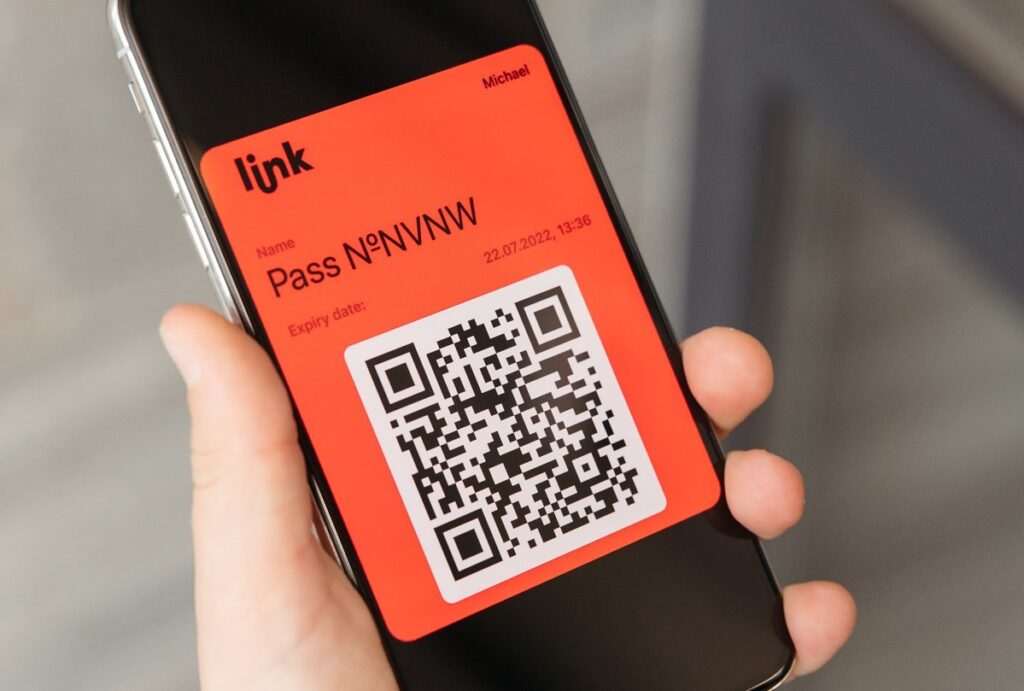
QR codes have swooped in to save the day, providing a simple, secure, and convenient solution to the age-old problem of guest access. With a quick scan, visitors can enter the premises without the need for physical cards, revolutionizing the way apartments handle guest access.

Forget About Guest Cards for Apartments

Advantages of Using QR Codes

  • Enhanced security: QR codes for apartment buildings can be customized with time limits or specific access permissions, making them virtually impossible to duplicate or misuse.
  • Hassle-free distribution: Residents can share QR codes with their guests via messaging apps or email, eliminating the need for physical card hand-offs.
  • Streamlined management: Property managers can easily monitor visitor access through a centralized platform, making it a breeze to track entry and exit.
See also  Key Card & Key Fob Systems: Buyer's Guide to Fob Access Control
QR Code for Apartment Buildings

FAQs on QR Codes for Apartment Guest Access

Q: How do QR codes work for apartment access?

A unique QR code is generated for each guest, which they can present on their smartphone upon arrival. Scanning the QR code grants access to the premises, while also logging their entry and exit times.

Q: Are QR codes secure?

Absolutely! QR codes can be tailored to expire after a certain period or be restricted to specific areas within the building. This ensures that only authorized guests have access to the property.

Q: Can I still use guest cards for apartments if I prefer them?

While QR codes offer a more convenient and secure alternative, some properties may still choose to provide guest cards as an option. However, as QR codes continue to gain popularity, it’s likely that more and more properties will switch to this modern method of guest access.

Embrace the Future of Apartment Guest Access

It’s time to bid farewell to the cumbersome guest cards for apartments and welcome the dawn of QR codes. With their unmatched convenience, security, and ease of use, QR codes are quickly becoming the go-to method for apartment guest access. So, jump on the bandwagon, and let’s usher in a new era of seamless visitor management for everyone involved.

similar articles
Articles

The entry panel is the first point of contact between a building and a person. And if this building is municipal, social, medical, or educational, the panel at the entrance must be clear and convenient for everyone: the hard of hearing, the visually impaired, elderly people, visitors unfamiliar with the system. AV-08FBIL was designed precisely […]

Articles

A video intercom monitor is often treated as just a screen on the wall. In reality, it is one of the key parts of the system: it is the device through which the user receives the call, sees the visitor, speaks with them and manages access. What a Video Intercom Monitor Is A video intercom […]

Articles

When the word “SIP” appears in the specifications of an intercom or entry panel, it often sounds like something purely technical. In practice, the meaning is much more practical. SIP is a protocol used to establish communication between devices on a network. Put simply, it helps one system “call” another, establish a connection, and begin […]

Articles

When people first come across the term “IP video intercom,” it often sounds more technical than it really is. In practice, the basic idea is fairly simple. An IP video intercom is an intercom system that works over a network. In other words, communication between the entry panel, the indoor monitor, and other devices is […]

Articles

An entry panel is often treated as just “the button by the door.” In reality, it is one of the key elements of the intercom system. It is the device through which a call begins, audio and video are carried, and, in some cases, access, identification, and different entry scenarios are handled. So it is […]

Articles

Access control and a video intercom are often treated as though they were the same thing, because both are linked to entering a building. But they are not quite the same. A video intercom is primarily about communication with a visitor: the call, the conversation, the image, and the decision to release the door. Access […]

Articles

What PoE Means in Simple Terms PoE stands for Power over Ethernet. Put simply, it means that the same Ethernet cable can carry both data and power. That means that, for some devices, you do not need a separate network connection and a separate power feed. If the equipment supports PoE, one cable may be […]

Articles

Why This Comparison Is Often Presented Too Simplistically When people talk about the difference between an IP and an analog video intercom, the discussion is often reduced to a crude formula: analog is basic and outdated, while IP is automatically modern and better. That is a convenient story if someone only wants to sell IP […]

Articles

Start Not with the Design, but with the Use Scenario The most common mistake is choosing an entry panel without a clear task in mind. A panel for a private house, a block of flats, an office, or a commercial site is not the same thing. First, answer the basic questions: How many users will […]

Articles

What the Difference Actually Is A flush-mounted panel is recessed into the wall or into a prepared niche, so only the front face remains visible from the outside. That makes the installation look neater and more integrated. A surface-mounted panel is fixed on top of the wall. It protrudes further, but it is usually much […]