
NFC Access Control: Revolutionizing Security With Powerful Convenience
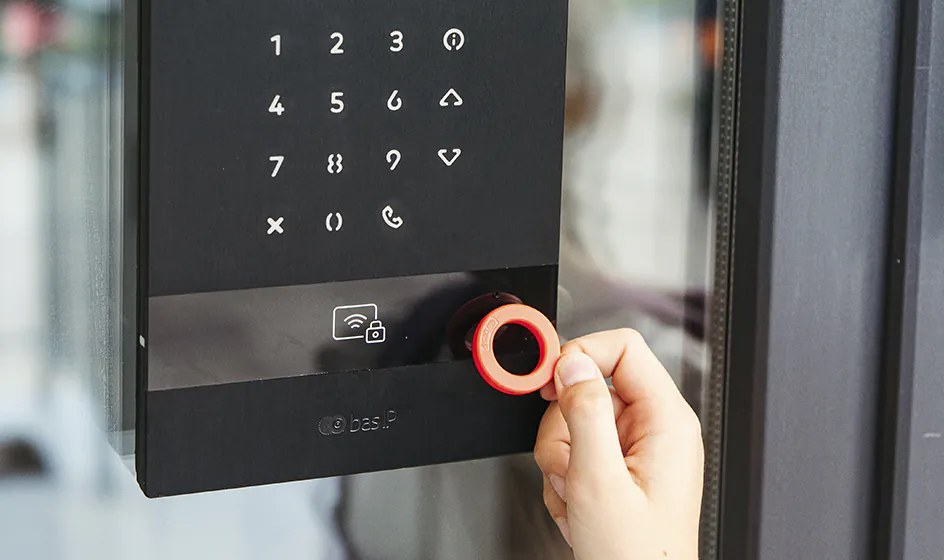
Explanation of NFC Technology
Near Field Communication (NFC) is a wireless data exchange technology that enables devices to communicate with each other over a short distance, usually not more than a few centimeters. By tapping or bringing devices close together, NFC facilitates rapid, secure data transfer.
NFC technology employs radio waves to establish communication between devices. When devices equipped with NFC come into close proximity, they can exchange data securely and swiftly.
Table of Contents
Importance of Access Control Systems in Modern Security
Access control systems have become an indispensable part of modern security strategies. They help ensure that only authorized individuals gain access to restricted areas, thereby maintaining the integrity of confidential information and assets.
Significance of NFC Access Control in Enhancing Security Measures
NFC access control is a breakthrough in security systems, combining the reliability of access control with the convenience and versatility of NFC technology. This potent amalgamation promises a future of secure yet flexible access management.
Understanding NFC Access Control
How NFC Access Control Works
NFC access control utilizes NFC-enabled devices (like smartphones or NFC cards) to authenticate access. An NFC reader installed at the point of entry reads the unique ID of the device and checks the permissions in a secure database.
Advantages of NFC Access Control over Traditional Methods
NFC access control offers several benefits over traditional methods:
| Traditional Access Control | NFC Access Control |
|---|---|
| Requires physical keys or cards | Uses devices that people already carry, like smartphones |
| Limited range | Works within a few centimeters |
| Can be easily duplicated | Highly secure, difficult to duplicate |
| Doesn’t support two-factor authentication | Supports two-factor authentication for added security |
Key Components of NFC Access Control Systems
NFC-Enabled Devices (Smartphones, Cards, etc.)

NFC-enabled devices are a key component of the NFC ecosystem. They are equipped with NFC (Near Field Communication) technology, which allows them to communicate with other NFC devices within a short range (usually a few centimeters). Here, we delve into some of the most common types of NFC-enabled devices.
Smartphones
Today, most smartphones come equipped with NFC technology. This technology facilitates a variety of applications, such as contactless payments, data sharing, and, of course, NFC access control. By using an NFC-enabled smartphone, individuals can gain access to buildings, rooms, or other secure areas simply by bringing their phone close to an NFC reader.
NFC Cards
NFC cards, similar to traditional RFID cards, are another popular form of NFC-enabled device. They contain an NFC chip that can interact with NFC readers. NFC cards are commonly used for public transportation tickets, hotel room keys, and access cards for offices and other secure locations. They are typically the size of a credit card, though they can come in other forms, such as key fobs or wristbands.
Wearables
The rise of wearable technology has also seen the integration of NFC. Smartwatches, fitness trackers, and even some pieces of jewelry now often include NFC capabilities. These wearable devices can be used in much the same way as an NFC card or smartphone for access control, payments, and data sharing.
NFC Tags
NFC tags are small, unpowered devices that contain an NFC chip. They can store information that can be read by an NFC-enabled device. While they aren’t typically used for access control, they can be used for a variety of purposes, such as providing information, triggering actions on a smartphone, or tracking items.
NFC Readers and Terminals, Door Locks
NFC Readers, Terminals, and Door Locks form the backbone of any NFC access control system. They facilitate the interaction between the user’s NFC-enabled device and the access control system’s backend, ensuring secure and efficient access to controlled areas.

NFC Readers and Terminals
NFC readers, also known as terminals, are devices that can read information from an NFC-enabled device, such as a smartphone, card, or wearable. They are typically placed at points of entry, such as doors or turnstiles, and interact with the user’s device to authenticate their access.
When a user brings their NFC-enabled device within a few centimeters of the reader, the reader energizes the device and reads the information it contains. This information is then sent to a secure database, where the system checks whether the user has the appropriate access rights.
Modern NFC readers come in various forms and sizes, from standalone devices to integrated units in intercom panels. They can be installed virtually anywhere, providing a flexible solution for access control.
NFC Door Locks
NFC door locks are a specific type of NFC reader designed to control access to a door. These locks have a built-in NFC reader that interacts with the user’s NFC device to lock or unlock the door.
When a user presents their NFC device to the lock, the lock reads the device’s information and communicates with the access control system’s backend. If the user has the correct access permissions, the lock disengages, allowing the door to be opened.
NFC door locks offer several benefits over traditional locks. They eliminate the need for physical keys, which can be lost or copied, and they allow for flexible access control, as access permissions can be easily added, modified, or removed.
Moreover, since NFC door locks are integrated with the access control system’s backend, they can provide real-time access logs and alerts, enhancing the building’s security and providing valuable data for audit and compliance purposes.
Backend Infrastructure (Databases, Servers, etc.)
The backend infrastructure consists of databases and servers that store access permissions and log access events.
Integration with Existing Security Systems
NFC access control systems can be integrated with existing security systems, adding an extra layer of protection and convenience.
Benefits and Features of NFC Access Control
Enhanced Convenience and User Experience
One of the most significant benefits of NFC is the enhanced convenience and user experience they provide. This convenience stems from several factors that, when combined, offer a user experience that traditional access control systems can’t match.
Use of Personal Devices
Most people carry an NFC-enabled device, such as a smartphone or a smartwatch, with them at all times. NFC access control systems leverage this ubiquity, allowing these personal devices to serve as digital keys. This eliminates the need for carrying extra cards or keys, reducing the chances of losing or forgetting them.
Quick and Contactless Authentication
NFC technology enables quick, contactless authentication. Users simply need to bring their NFC-enabled device within a few centimeters of the NFC reader to gain access. This “tap-and-go” feature makes access faster and more efficient, significantly improving the user experience, especially in high-traffic areas.
Two-Factor Authentication
NFC ACS can also support two-factor authentication for enhanced security without compromising convenience. For instance, a user might need to use their NFC device (something they have) and enter a PIN (something they know) to gain access. This feature adds an extra layer of security while maintaining a smooth user experience.
Personalization and Flexibility
It can be programmed to provide personalized access rights based on the user’s role, location, and time. For instance, certain staff members could be granted access to specific areas only during their working hours. This level of personalization and flexibility enhances the user experience, as users have access exactly when and where they need it.
Seamless Integration with Other Services
NFC ACS can be integrated with other services for an even more convenient user experience. For example, in a corporate setting, the same NFC-enabled device could be used for access control, cashless vending, and secure printing. In a hotel, the device could serve as a room key, a payment method, and a loyalty card.
Increased Security and Fraud Prevention
The unique ID of NFC devices and the possibility of two-factor authentication make NFC access control more secure than traditional methods.
Seamless Integration with Mobile Devices
As most smartphones are NFC-enabled, they can easily be integrated into an NFC access control system.
Flexibility and Scalability for Various Access Scenarios
NFC access control is adaptable to various scenarios, from corporate offices to residential buildings.
Real-Time Monitoring and Reporting Capabilities
NFC access control systems can provide real-time data on access events, enhancing monitoring and reporting capabilities.
Applications of NFC Access Control System
NFC Building Access

In residential buildings and communities, NFC access control systems can regulate access to common areas, facilities, and individual units, enhancing the security and convenience of residents.
With NFC building access, there’s no need to carry around physical keys or remember complex access codes. People always have their phones on them, making it a convenient and easy-to-use access solution.
With such a systems, property managers can monitor access in real time. This provides valuable data for security purposes and allows for immediate response to any security breaches.
Corporate and Office Environments
NFC access control can help businesses secure their premises and manage access to different areas.
Educational Institutions and Campuses
With NFC access control, educational institutions can regulate access to various facilities such as libraries, classrooms, and hostels, ensuring students’ safety and security.
Healthcare Facilities and Hospitals
In healthcare settings, NFC access control can help maintain patient privacy, secure sensitive areas like operation theaters, and manage staff access.
Hospitality and Tourism Industry
Hotels can offer guests a seamless check-in experience using NFC-enabled mobile devices as room keys. Similarly, tourist attractions can use NFC access control for ticketing and entry.
Public Transportation Systems
NFC access control can streamline ticketing and entry processes in public transportation, enhancing passenger experience and operational efficiency.
Implementation and Deployment of NFC Access Control
Planning and Designing an NFC Access Control System
The first step in implementing an NFC access control system is planning. This involves assessing the needs of the organization, identifying access points, and defining access permissions.
Installation and Configuration of NFC Readers and Devices
After planning, the NFC readers and devices are installed at the access points and configured to communicate with the backend system.
Integration with Existing Security Infrastructure
The NFC access control system is then integrated with the existing security infrastructure, creating a comprehensive, multi-layered security solution.
User Onboarding and Training Processes
Finally, users are onboarded and trained to use their NFC-enabled devices for access, ensuring a smooth transition to the new system.
Security Considerations and Best Practices
Encryption and Authentication Protocols
To maintain the security of the NFC access control system, it is crucial to use strong encryption and authentication protocols.
Data Privacy and Protection Measures
Data privacy is a significant concern. Measures should be in place to protect users’ personal information and the data generated by the system.
Backup and Disaster Recovery Strategies
Backup and disaster recovery strategies are essential to ensure the system’s resilience and continuity in case of any unforeseen incidents.
Regular Maintenance and Updates
Regular maintenance and software updates are necessary to keep the NFC access control system secure and efficient.
Future Trends and Innovations in NFC Access Control
Integration with Other Emerging Technologies (IoT, AI, etc.)
Future trends in NFC access control include integration with emerging technologies such as the Internet of Things (IoT) and Artificial Intelligence (AI) to create more sophisticated and versatile access control solutions.
Advancements in NFC-Enabled Devices and Readers
As NFC-enabled devices and readers continue to evolve, they will offer enhanced capabilities and functionalities, further improving the efficiency and security of NFC access control systems.
Evolving Security Standards and Regulations
As NFC access control becomes more widespread, we can expect the development of new security standards and regulations to govern its use and ensure its security and privacy.
Conclusion
NFC access control represents a powerful fusion of convenience and security. Its numerous benefits, including enhanced user experience, increased security, and seamless integration with mobile devices, make it a compelling choice for modern access control solutions.
As NFC technology continues to evolve and integrate with other emerging technologies, its application in access control is expected to become even more powerful and versatile.
Businesses and organizations that prioritize security and convenience should consider adopting NFC access control systems. By doing so, they can enhance their access control protocols, improve user experience, and prepare for the future of security technology.