
Intercom Systems in Canada: A Comprehensive Guide
Canada, the second-largest country in the world, boasts diverse landscapes, a robust economy, and a population of over 38 million people. The country’s unique characteristics, along with its growing urban centers, have paved the way for the increasing demand for innovative intercom systems. This article explores the intercom business in Canada, focusing on the benefits of IP intercom systems, the leading players, and the various regulations surrounding intercom installations.

Table of Contents
- Canada at a Glance: Geography and Population
- The Growing Need for Intercom Systems in Canada
- Intercom Business Specifics and Insights
- The Benefits of IP Intercom Systems for Canada
- Intercom Installation: Work Permits and Regulations
- Features of Home Intercoms in Canada
- Residential Intercom Systems
- Leading Intercom System Providers in Canada
- Frequently Asked Questions
- Conclusion
Canada at a Glance: Geography and Population
Canada is the world’s second-largest country, spanning six time zones and covering an area of almost 10 million square kilometers. It comprises ten provinces and three territories, and its vast landscapes vary from mountains and forests to prairies and tundra. The country’s largest cities are Toronto, Montreal, Vancouver, Calgary, and Edmonton. The overall population of Canada is estimated at over 38 million, with a significant percentage residing in these urban centers.
The Growing Need for Intercom Systems in Canada
Intercom systems are essential in modern Canadian cities for various reasons:
- Increased urbanization: The growth of urban centers has led to the development of high-rise buildings, condominiums, and gated communities. Intercom systems are crucial for ensuring secure and convenient access to these residences.
- Security concerns: The rising demand for improved security measures has made intercom systems a necessity in homes, businesses, and public spaces.
- Technological advancements: The integration of smartphones and other smart devices with intercom systems has increased their appeal and utility.

Intercom Business Specifics and Insights
Canada’s intercom market is characterized by strong competition and high-quality products. Some key insights include:
- Market trends: IP intercom systems are gaining popularity due to their enhanced features, such as video capabilities and remote access.
- Regulations: Canada intercom law mandates that intercom systems should be ADA-compliant, ensuring accessibility for individuals with disabilities.
- Industry standards: CSA (Canadian Standards Association) certification is highly regarded in the intercom industry, as it guarantees product safety and performance.
The Benefits of IP Intercom Systems for Canada
IP intercom systems offer numerous advantages, especially for Canadians:
- Enhanced security: IP intercoms support video communication, enabling users to verify the identity of visitors before granting access.
- Remote access: Users can control their intercom systems from anywhere using a smartphone or other connected devices.
- Scalability: IP intercoms can be easily expanded to accommodate additional units or integrate with other security systems.
- Cost-effectiveness: IP intercoms require less wiring and infrastructure than traditional systems, reducing installation and maintenance costs.
Intercom Installation
Work Permits and Regulations
To work as an intercom installer in Canada, you may need a work permit. Additionally, local regulations may require specific certifications or qualifications. For example, in Ontario, electricians must be licensed by the Electrical Safety Authority (ESA). It is essential to research the requirements in your area before starting an intercom installation business.
Canadian Intercom Preferences: Large Screens and Lobby Installations
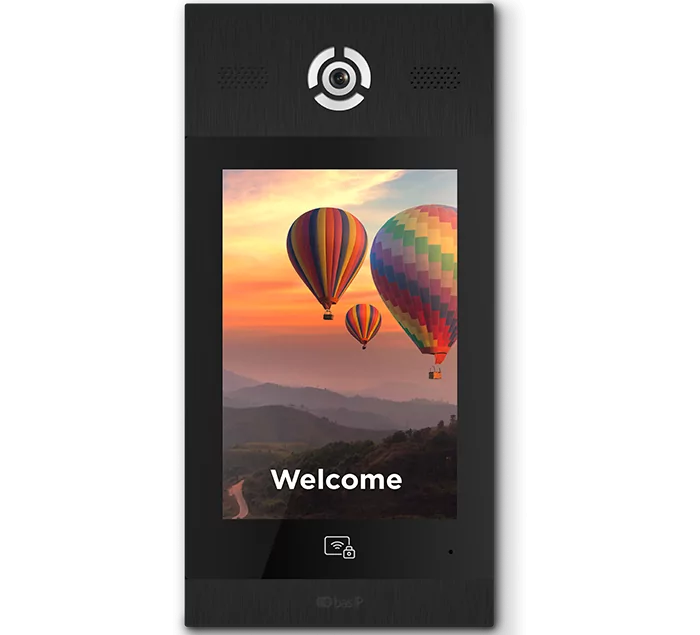
In Canada, intercom panels are usually installed inside the building, typically in the lobby area. Canadians prefer door entry panels with large screens, which offer enhanced visibility and functionality. One such example is the BAS-IP AA-14FB model, which could be considered the best intercom panel for the Canadian market due to its impressive design and user-friendly features. This door entry panel not only meets the aesthetic preferences of Canadians but also provides top-notch performance and security.

Features of Home Intercoms in Canada
Home intercom systems in Canada offer various features, including:
- Video capabilities: Many modern intercoms support video communication for enhanced security.
- Smartphone integration: Homeowners can control their intercom systems remotely through mobile apps.
- Weather resistance: Canadian intercoms are designed to withstand harsh weather conditions, such as extreme cold and snow.
- Multi-unit support: Some intercom systems can accommodate multiple units, making them suitable for large residences or multi-family dwellings.
Residential Intercom Systems in Canada
BAS-IP is well-equipped to meet the needs of Canadian clients when it comes to building intercom systems. BAS-IP products and solutions align with Canadian preferences and requirements.
- Comprehensive Solutions: BAS-IP provides an extensive range of intercom solutions, covering various aspects of building communication and security. Their systems are suitable for residential, commercial, and industrial applications, catering to diverse needs across the Canadian market.
- High-Quality Video Panels: Canadians prefer door entry panels with large screens, and BAS-IP delivers on this front. Their video panels, such as the AA-14FB model, offer enhanced visibility, functionality, and aesthetic appeal, making them an ideal choice for the Canadian market.
- Lobby Installation Compatibility: As intercom panels are typically installed in the building’s lobby in Canada, BAS-IP’s solutions are designed to be easily integrated into these settings. Their systems not only meet the aesthetic preferences of Canadians but also provide top-notch performance and security.
- Scalability: BAS-IP’s building intercom systems are easily expandable, allowing for seamless integration with other security systems and accommodating the growth of residential or commercial properties. This feature makes their systems an attractive option for the ever-evolving urban landscape of Canadian cities.
- Advanced Technologies: BAS-IP’s commitment to utilizing cutting-edge technologies, such as IP-based communication and smartphone integration, ensures that their building intercom systems remain relevant and competitive in the Canadian market.
In conclusion, BAS-IP’s building intercom systems are well-suited to satisfy the needs and preferences of Canadian clients. With their comprehensive solutions, high-quality video panels, compatibility with lobby installations, scalability, and use of advanced technologies, BAS-IP stands out as a top choice for building intercom systems in Canada.
Leading Intercom System Providers in Canada
The Canadian intercom market is dominated by several key players:
- BAS-IP: This company offers a wide range of intercom systems, including IP and GSM-based solutions.
- Aiphone: A leading global intercom manufacturer, Aiphone provides a comprehensive lineup of intercom systems for various applications.
- Mircom: A Canadian company specializing in fire detection and communication systems, Mircom offers intercom solutions for residential, commercial, and industrial use.
- Akuvox: Akuvox Canada intercom systems are known for their advanced features and user-friendly interfaces, making them a popular choice for homeowners and businesses alike.
Frequently Asked Questions
Conclusion
The intercom business in Canada is flourishing due to the country’s unique characteristics and growing urban centers. IP intercom systems, in particular, are gaining popularity, offering numerous benefits such as enhanced security, remote access, and cost-effectiveness. To succeed in the Canadian intercom market, it is crucial to understand the industry’s specifics, including the leading players, regulations, and local installation requirements. With a strong understanding of the market and the latest technology, intercom systems in Canada will continue to grow in demand and sophistication.