
License Plate Recognition Parking System: The Revolutionary Change in Parking Management
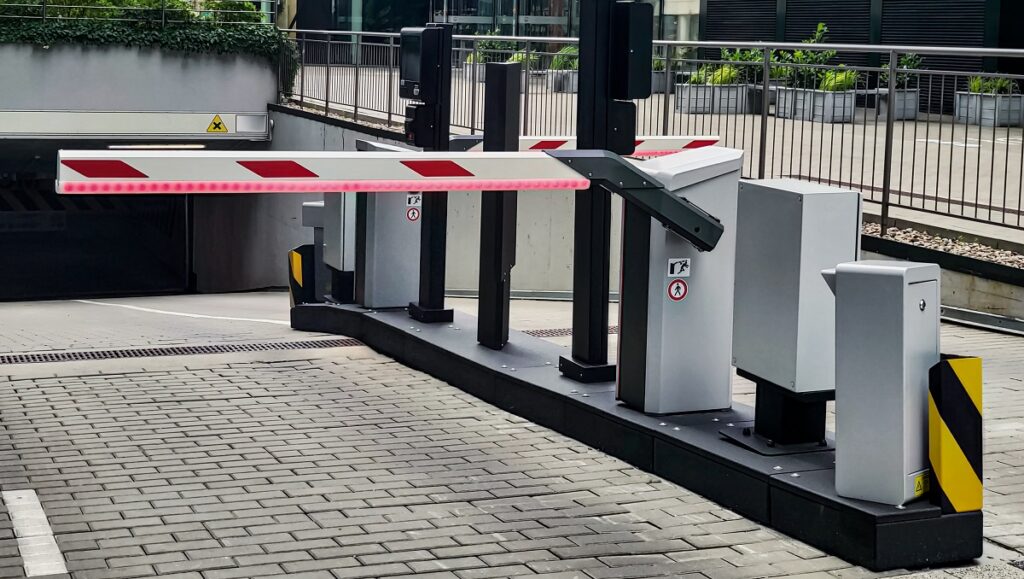
In the realm of parking management, the License Plate Recognition (LPR) parking system has emerged as a game-changer. This technology, often referred to as LPR parking, leverages advanced algorithms to identify and manage vehicles based on their license plates. As urban areas continue to grow, the importance and growth of LPR technology cannot be overstated.
How LPR Parking Systems Work
LPR parking systems operate on a simple yet effective principle. They use specialized LPR cameras to capture images of vehicle license plates. These images are then processed and analyzed to extract the license plate. This number is used for various parking management tasks, such as entry and exit control, payment processing, and violation enforcement. The seamless integration of LPR with parking management systems has revolutionized the way parking lots operate.
Benefits of LPR Parking Systems
The License Plate Recognition (LPR) parking system has been a significant advancement in the field of parking management, offering a plethora of benefits that have revolutionized the way parking lots operate. Here, we delve deeper into these benefits:
Enhanced Parking Security
LPR parking systems significantly enhance the security of parking lots. By accurately identifying vehicles based on their license plates, these systems can effectively control access to parking lots, preventing unauthorized entry. They also provide a reliable record of all vehicles entering and exiting the lot, which can be invaluable in case of disputes or security incidents.
Streamlined Parking Operations
One of the key advantages of LPR parking systems is the automation of various parking management tasks. These systems can automatically register the entry and exit times of vehicles, calculate parking fees, and even issue tickets for parking violations. This automation not only reduces the workload of parking lot staff but also minimizes human error, leading to more efficient and reliable operations.
Contactless Parking Solutions
In the wake of the COVID-19 pandemic, contactless solutions have become increasingly important. LPR parking systems support contactless parking by eliminating the need for physical tickets or manual entry of vehicle details. This not only enhances safety by reducing the risk of virus transmission but also improves the user experience by making the parking process quicker and more convenient.
Effective Enforcement of Parking Rules
LPR parking systems play a crucial role in enforcing parking rules. They can automatically detect parking violations, such as overstaying the allowed parking time or parking in reserved spaces. This ensures fair use of parking spaces and reduces conflicts and disputes.
Data Collection and Analysis
LPR parking systems collect a wealth of data, such as the frequency and duration of parking lot usage, peak parking times, and common parking violations. This data can be analyzed to gain insights into parking lot operations, enabling managers to make informed decisions and implement effective strategies for improvement.
| Benefits of LPR Parking Systems | Description | Real-world Impact |
|---|---|---|
| Enhanced Security | Reliable vehicle identification and access control | Prevents unauthorized entry, provides a record of all vehicles |
| Streamlined Operations | Automation of manual tasks | Reduces workload, minimizes human error |
| Contactless Solutions | Eliminates the need for physical tickets or manual entry | Enhances safety, improves user experience |
| Effective Enforcement | Automatic detection of parking violations | Ensures fair use of parking spaces, reduces disputes |
| Data Collection and Analysis | Collection and analysis of parking lot data | Provides insights, enables informed decision-making |
Key Components of an LPR Parking System
A License Plate Recognition (LPR) parking system is a complex assembly of various components, each playing a crucial role in the overall functioning of the system. Let’s delve deeper into these key components:
LPR Parking Cameras

LPR parking cameras are a fundamental component of any License Plate Recognition (LPR) parking system. These specialized cameras are designed to capture high-quality images of vehicle license plates, even under challenging conditions such as poor lighting or high vehicle speeds. The images captured by these cameras are then analyzed by the LPR software to extract the license plate.
There are several brands and models of LPR cameras available in the market, each with its own set of key features. However, due to the dynamic nature of the market and the constant evolution of technology, it’s challenging to provide a comprehensive list of the best LPR cameras without the risk of it becoming outdated quickly.
Nevertheless, when choosing an LPR camera, there are several key features to consider:
- Image Quality: The camera should be able to capture high-resolution images to ensure accurate license plate recognition.
- Low Light Performance: The camera should perform well under low light conditions, as parking lots are often poorly lit.
- Speed Detection: The camera should be able to capture clear images of moving vehicles. This is particularly important for parking lots with high-speed entry and exit points.
- Weather Resistance: The camera should be able to withstand various weather conditions, as it will be installed outdoors.
- Integration Capabilities: The camera should be compatible with the other components of the LPR parking system, such as the LPR software and the BAS-IP LPT intercoms.
BAS-IP LPT Intercoms


BAS-IP LPT intercoms, such as the AV-08FBL and the AA-12FB, serve a dual purpose in an LPR parking system. On one hand, they provide a robust communication interface, enabling effective communication between parking lot staff and drivers. On the other hand, they are equipped with cameras that can identify vehicle license plates, making them a cost-effective 2-in-1 solution. This dual functionality not only reduces the overall cost of the system but also simplifies its installation and maintenance.
Software Solutions for LPR
The software solutions for LPR are the brains of the system. They analyze the images captured by the LPR cameras and the BAS-IP LPT intercoms to extract the license plates. These numbers are then used for various parking management tasks, such as controlling access to the parking lot, calculating parking fees, and enforcing parking rules.
Integration with Payment and Ticketing Systems
LPR parking systems are often integrated with payment and ticketing systems to provide a seamless parking experience. When a vehicle enters the parking lot, the system automatically registers its entry time. When the vehicle exits, the system calculates the parking fee based on the entry and exit times and processes the payment. If the vehicle has violated any parking rules, the system can also issue a ticket automatically.
Backend Database and Server
The backend database and server are the backbone of an LPR parking system. They store and manage all the data generated by the system, including the images captured by the LPR cameras and the BAS-IP LPT intercoms, the license plates extracted by the software, and the transaction data from the payment and ticketing systems. This data is crucial for the day-to-day operations of the parking lot, as well as for long-term planning and decision-making.
Considerations When Implementing LPR Parking Systems
While LPR parking systems offer numerous benefits, there are several considerations to keep in mind when implementing them. Data privacy is a significant concern, as the system collects and stores sensitive information. Legal and compliance issues must also be addressed. The role of artificial intelligence and machine learning in improving system accuracy and reliability is another important consideration. Lastly, the total cost of ownership and the return on investment should be evaluated before implementation.
Future Trends in LPR Parking Systems
The future of LPR parking systems is exciting. Artificial intelligence and deep learning are expected to play a significant role in advancing LPR technology. Smart city applications of LPR parking systems are also on the horizon. As consumer expectations evolve, LPR systems will need to adapt to meet these demands. The advent of autonomous vehicles will also have a significant impact on LPR systems, potentially opening up new avenues for innovation.
Conclusion
In conclusion, the License Plate Recognition parking system, or LPR parking, is a transformative technology that is reshaping the landscape of parking management. Its benefits are numerous,ranging from enhanced security to streamlined operations. However, it’s crucial to consider factors such as data privacy, legal compliance, and system accuracy when implementing these systems. As we look to the future, the role of AI and smart city applications in LPR systems is promising. As the world continues to evolve, so too will the capabilities of LPR parking systems.