Skip to Content
Go back

Hands Free Intercoms: Features, Benefits, Privacy Solutions

A hands free intercom is a communication device that allows users to speak with and listen to others without physically holding the equipment. This device is often used in office buildings, residential complexes, and other establishments to facilitate easy communication between various locations.
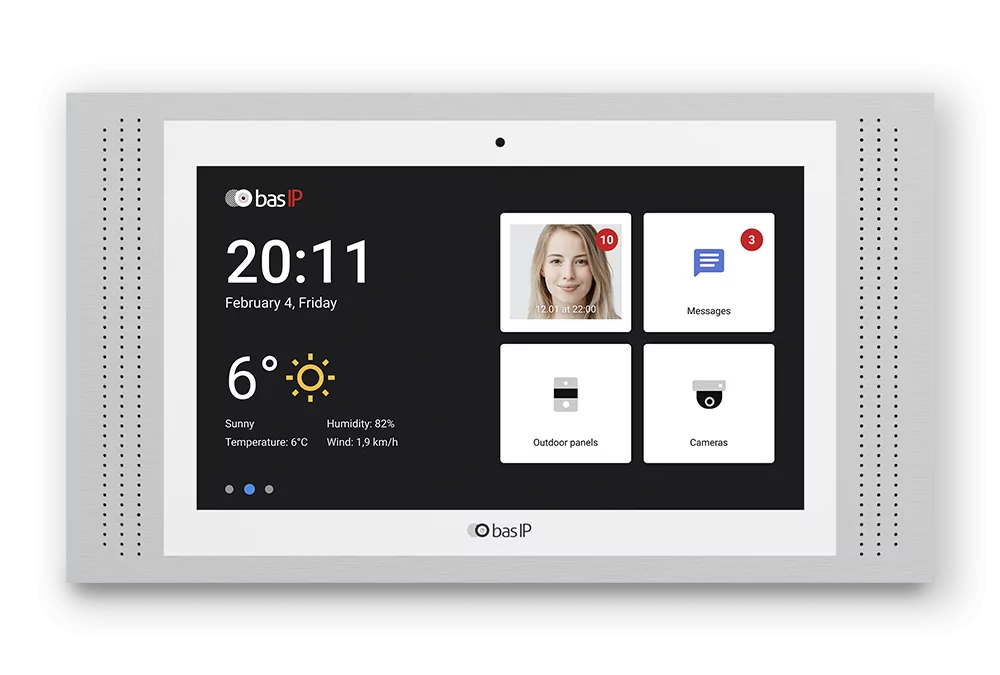
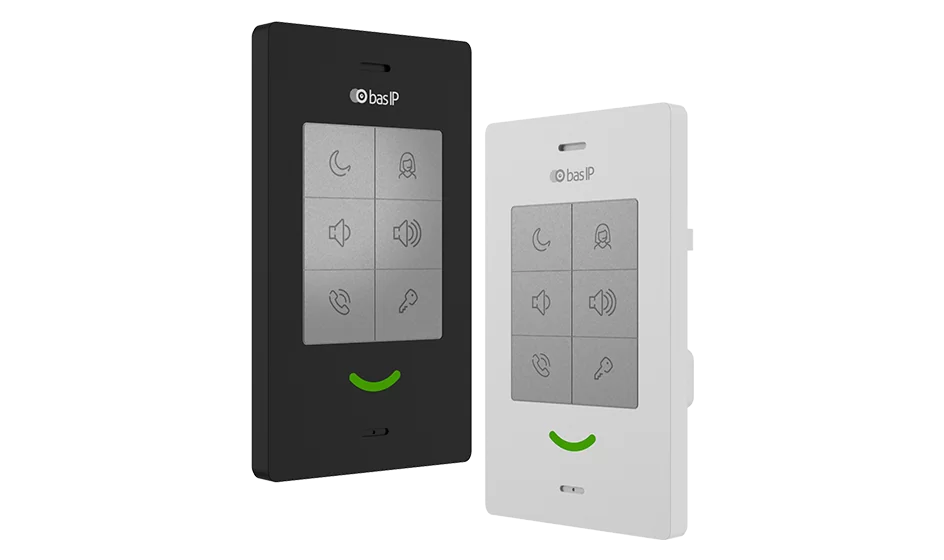
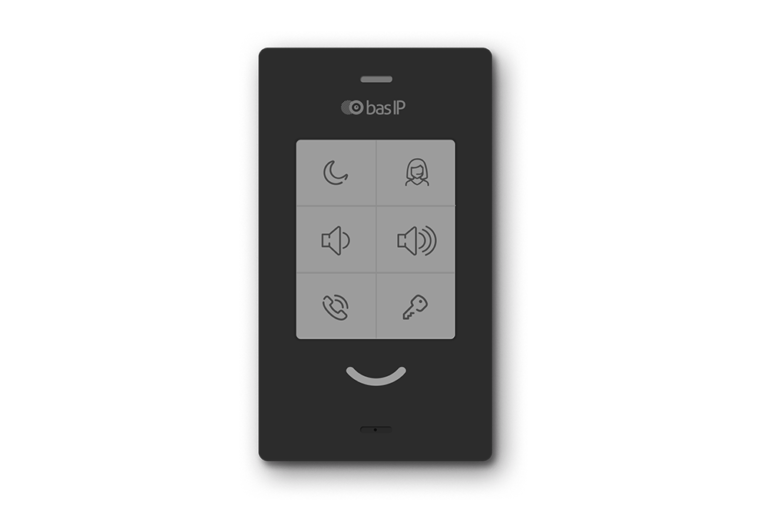
Handsfree intercoms typically consist of a microphone, speaker, and a control unit. They can be wired or wireless, depending on the specific needs of the installation. Here are some features and benefits of hands-free intercom systems:

  1. Convenience: Hands-free intercoms allow users to communicate without having to hold any equipment, making it easy to multitask or continue with other tasks during a conversation.
  2. Safety: In situations where it is crucial to keep hands free, such as driving or operating machinery, a hands-free intercom helps maintain safety by allowing users to communicate without compromising their ability to control their environment.
  3. Accessibility: For individuals with limited mobility or disabilities, hands-free intercoms can provide an accessible means of communication that does not require manual operation.
  4. Wide range of applications: Hands-free intercoms can be used in various settings, including office buildings, hospitals, schools, and residential complexes, for efficient communication among different locations.
  5. Easy installation: Many hands-free intercom systems are simple to install and can be easily integrated into existing infrastructure.
  6. Voice-activated functionality: Some hands-free intercoms are equipped with voice-activated controls, which allow users to initiate communication simply by speaking a specific command.

Video Door Phones

See also  CAT5 Intercom Systems: How to Install & Maintain

When choosing a handsfree intercom system, consider factors such as the installation requirements, compatibility with existing systems, and any additional features that may be beneficial for your specific needs.

One of the disadvantages of hands-free intercom systems is that conversations can be easily overheard by people in the vicinity. The lack of privacy can be a concern in certain situations, as sensitive or personal information might be inadvertently disclosed to others nearby.

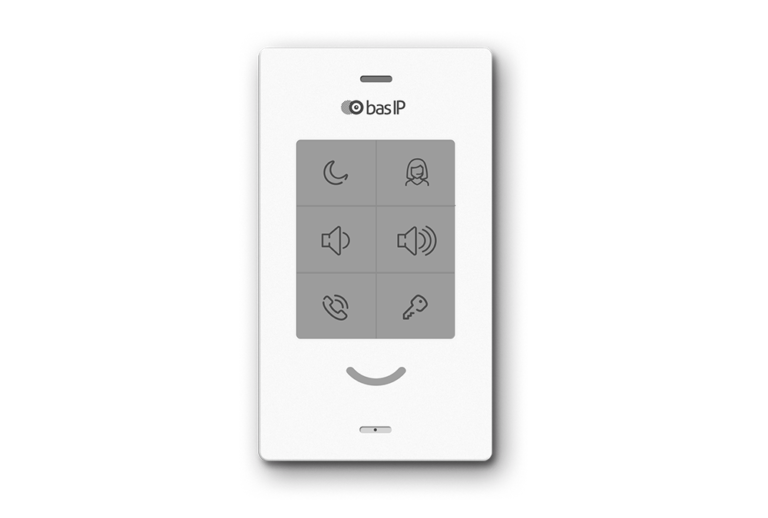
To address this issue, BAS-IP intercom supplier, offers a handset accessory for specific intercom models.
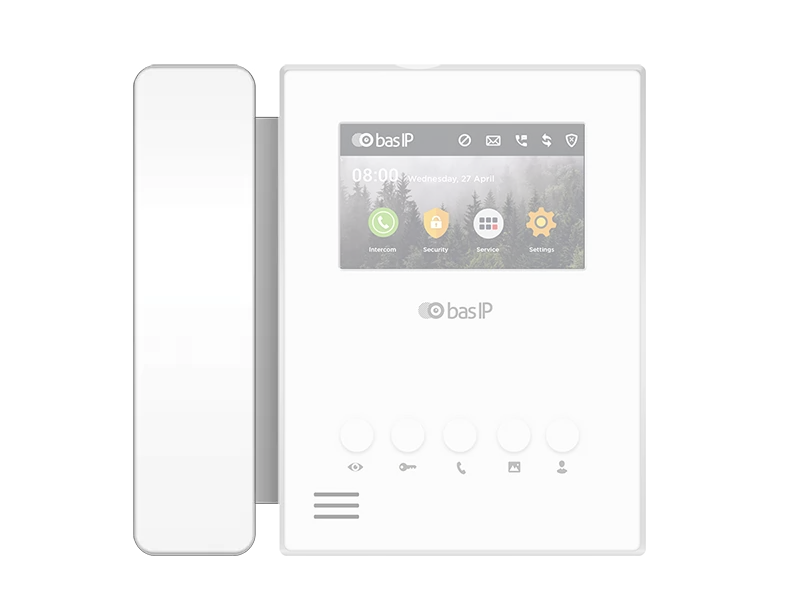
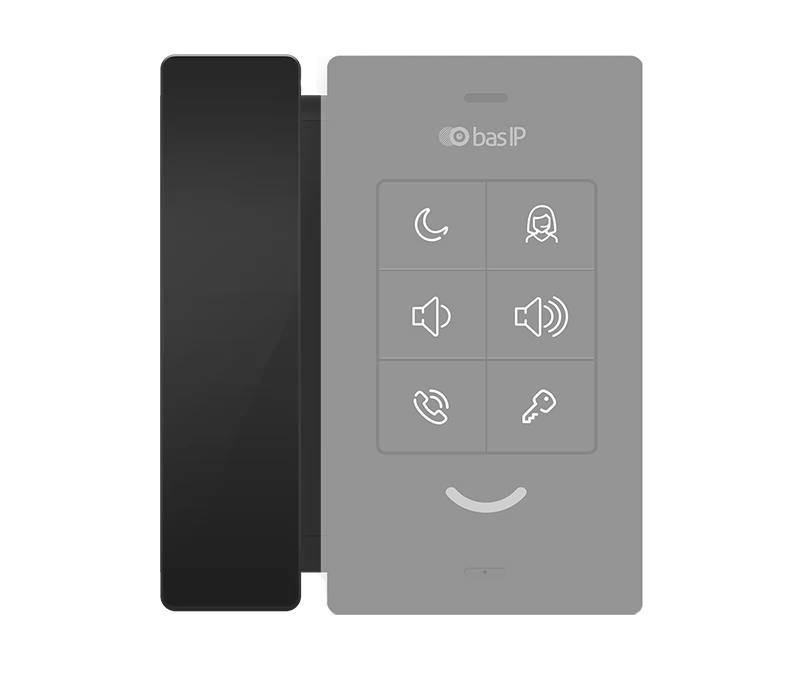
A handset provides an additional layer of privacy by allowing users to pick up the receiver and hold it to their ear, making it harder for others to hear the conversation. This can be a valuable addition to a hands-free intercom system, especially in environments where privacy is a priority.

similar articles
Articles

Mobile apps have become a standard part of modern intercom systems. Residents can see a visitor and unlock the door from a smartphone, even when they are away from the property. That is why system descriptions often feature an appealing marketing claim: “Free mobile app for residents.” For residents, that claim is often literally true: […]

Articles

Until recently, an indoor monitor was a standard part of a video intercom system: a visitor called from the entrance panel, and the resident answered on a device inside the apartment. Today, that same call can be answered on a smartphone – at home, at work, or on the go. Multifamily owners and property managers […]

Articles

Replacing a door entry panel can appear to be a straightforward technical upgrade: select a suitable device, confirm system compatibility and decide how it will be installed. In London, the route from specification to installation often depends on the status of the building, the ownership of the entrance and any additional controls that apply to […]

Articles

Can a door entry panel be supplied without the manufacturer’s logo on the front? For selected BAS-IP models and project configurations, yes. A logo-free front is one form of bespoke door entry panel customisation. BAS-IP can provide selected multi-occupancy panels for apartment buildings and individual panels for private homes or dedicated entrances without a visible […]

Articles

The entry panel is the first point of contact between a building and a person. And if this building is municipal, social, medical, or educational, the panel at the entrance must be clear and convenient for everyone: the hard of hearing, the visually impaired, elderly people, visitors unfamiliar with the system. AV-08FBIL was designed precisely […]

Articles

A video intercom monitor is often treated as just a screen on the wall. In reality, it is one of the key parts of the system: it is the device through which the user receives the call, sees the visitor, speaks with them and manages access. What a Video Intercom Monitor Is A video intercom […]

Articles

When the word “SIP” appears in the specifications of an intercom or entry panel, it often sounds like something purely technical. In practice, the meaning is much more practical. SIP is a protocol used to establish communication between devices on a network. Put simply, it helps one system “call” another, establish a connection, and begin […]

Articles

When people first come across the term “IP video intercom,” it often sounds more technical than it really is. In practice, the basic idea is fairly simple. An IP video intercom is an intercom system that works over a network. In other words, communication between the entry panel, the indoor monitor, and other devices is […]

Articles

An entry panel is often treated as just “the button by the door.” In reality, it is one of the key elements of the intercom system. It is the device through which a call begins, audio and video are carried, and, in some cases, access, identification, and different entry scenarios are handled. So it is […]

Articles

Access control and a video intercom are often treated as though they were the same thing, because both are linked to entering a building. But they are not quite the same. A video intercom is primarily about communication with a visitor: the call, the conversation, the image, and the decision to release the door. Access […]