
Skip to Content
Go back

Remote Keyless Entry: The Modern Answer to Property Access Challenges

As technology continues to evolve, our daily lives are becoming increasingly convenient and efficient. One prime example of this is remote keyless entry, a method that is revolutionizing the way guests access apartments, buildings, or premises. In this article, we will dive deep into the world of keyless entry systems and explore what makes them so desirable in today’s fast-paced world. We will also discuss alternative access methods, such as QR codes, keypads, and temporary PIN codes, which are proving to be more convenient than RFID cards. Read on to learn more about remote keyless entry, its advantages, and how it’s changing the face of property access.
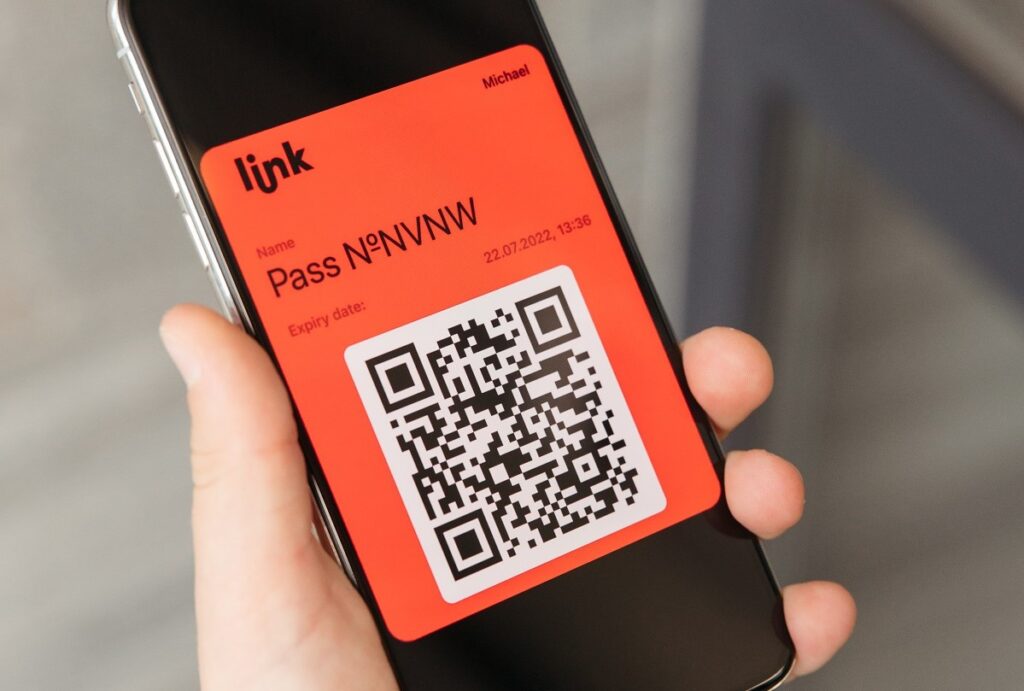
Remote Keyless Entry

What is Keyless Entry?

Keyless entry is a secure and convenient way to access a property without the need for physical keys. Instead, users can unlock doors using a variety of methods, such as keypads, QR codes, or temporary PIN codes. This modern solution is ideal for residential and commercial spaces, offering enhanced security and ease of use for property owners and guests alike.

What is Remote Keyless Entry?

Remote keyless entry takes the concept of keyless entry a step further by allowing users to access a property from a distance without direct contact with the access point. Typically, this is achieved through the use of smartphones, smartwatches, or other internet-enabled devices. Remote keyless entry systems not only make it easier for guests to enter a property, but also provide property owners with greater control and flexibility in managing access to their premises.

The Limitations of RFID

Cards RFID cards have been a popular method of keyless entry for years. However, they come with their own set of drawbacks. These cards can be easily lost or stolen, and they require physical contact with the access point, which may not always be convenient for guests. Moreover, RFID cards can be expensive to replace, and managing access for multiple users can be cumbersome and time-consuming for property owners.

See also  BPT Intercom System

The Advantages of Remote Keyless Entry Systems

There are several reasons why remote keyless entry systems are gaining popularity over traditional RFID cards:

  1. Convenience: Remote keyless entry systems allow guests to access the property using their own devices, eliminating the need to carry around an additional card or fob. This makes it easier for guests to enter and exit the premises without any hassle.
  2. Security: With remote keyless entry, property owners can easily manage and monitor access to their premises. They can grant or revoke access to guests instantly, and even set time limits for entry. This adds an extra layer of security, as lost or stolen RFID cards can no longer be used by unauthorized individuals.
  3. Flexibility: Remote keyless entry systems offer a variety of access methods, such as QR codes, keypads, and temporary PIN codes. This allows property owners to customize the access experience for their guests and cater to different preferences and needs.
  4. Cost-effectiveness: By eliminating the need for physical RFID cards, remote keyless entry systems can save property owners money on card replacements and management. Additionally, many remote keyless entry solutions can be integrated with existing access control systems, minimizing the need for costly upgrades.

To understand more about mobile-based access, explore mobile credentials article.

FAQs on Remote Keyless Entry

Q: Are remote keyless entry systems secure?

Yes, remote keyless entry systems use advanced encryption and authentication techniques to ensure that only authorized users can gain access to the property. Property owners can also monitor access in real-time and quickly revoke access if needed, further enhancing security.

Q: Can remote keyless entry systems be used with existing access control systems?

In many cases, yes. Remote keyless entry systems can often be integrated with existing access control systems, allowing property owners to upgrade their security without a complete overhaul. It’s essential to consult with a professional to determine compatibility and the best solution for your specific needs.

Q: What devices are compatible with remote keyless entry systems?

BAS-IP remote keyless entry systems are designed to work with any smartphones. However, the specific compatibility may vary depending on the system, so it’s essential to check with the manufacturer or service provider to ensure your device will work with the chosen system.

Conclusion

Remote keyless entry is transforming the way guests access apartments and premises, offering a more convenient and secure alternative to traditional RFID cards. With the ability to choose from a variety of access methods, such as QR codes, keypads, and temporary PIN codes, remote keyless entry systems cater to the diverse needs of property owners and guests alike. As technology continues to advance, we can expect remote keyless entry to become even more prevalent, further enhancing the security and convenience of property access. If you’re a property owner or manager looking to upgrade your access control system, consider the many benefits that remote keyless entry has to offer. With improved security, flexibility, and cost-effectiveness, it’s an investment that can significantly improve the experience for both you and your guests.

See also  BAS-IP Readers Confirm Compatibility with ICT Access Cards
similar articles
Articles

Access control and a video intercom are often treated as though they were the same thing, because both are linked to entering a building. But they are not quite the same. A video intercom is primarily about communication with a visitor: the call, the conversation, the image, and the decision to release the door. Access […]

Articles

What PoE Means in Simple Terms PoE stands for Power over Ethernet. Put simply, it means that the same Ethernet cable can carry both data and power. That means that, for some devices, you do not need a separate network connection and a separate power feed. If the equipment supports PoE, one cable may be […]

Articles

Why This Comparison Is Often Presented Too Simplistically When people talk about the difference between an IP and an analog video intercom, the discussion is often reduced to a crude formula: analog is basic and outdated, while IP is automatically modern and better. That is a convenient story if someone only wants to sell IP […]

Articles

Start Not with the Design, but with the Use Scenario The most common mistake is choosing an entry panel without a clear task in mind. A panel for a private house, a block of flats, an office, or a commercial site is not the same thing. First, answer the basic questions: How many users will […]

Articles

What the Difference Actually Is A flush-mounted panel is recessed into the wall or into a prepared niche, so only the front face remains visible from the outside. That makes the installation look neater and more integrated. A surface-mounted panel is fixed on top of the wall. It protrudes further, but it is usually much […]

Articles

The term “IP video intercom” often creates a side effect: people assume that such a system must depend on the internet. That is not quite right. Let us look at which functions of an IP intercom can work without internet access and which genuinely require an external connection. The short answer is yes: in many […]

Articles

You ordered groceries or a parcel, but there is no one at the door to open it? A modern IP intercom solves this without “handing a key to a neighbour”. The scenario is simple: the courier rings the intercom, you receive the call on your phone, see the person on video, talk to them, remotely […]

Articles

Hartman Controls is an Access Control company focused on integrated platforms for modern buildings. Its flagship platform, Odyssey, is built around access control while integrating intercom communication, video management, cameras, and mobile interaction into a single, cohesive ecosystem. Odyssey includes: Centralized access control platform for managing credentials, doors, elevators and permissions Modern Management interface via […]

Articles

The modern intercom industry represents a unique combination of electrical engineering, security systems, and information technology. For more than a century, this sector has evolved from simple acoustic tubes to complex cloud ecosystems integrated with artificial intelligence. By 2025, the global market for intercom devices is valued at USD 33.4 billion, with projected growth to […]

Articles

BAS-IP is pleased to announce the successful confirmation of compatibility between BAS-IP video intercom entrance panels and Zennio Z-series touch panels. This integration unites professional IP intercom technology with advanced KNX-based touch interfaces, delivering a seamless and reliable communication experience for residential and commercial projects. Confirmed Functionality Compatibility has been rigorously tested and verified across […]