
Keyless Entry Apartments: The Future of Safe and Convenient Living
As technology continues to advance, the way we live our lives is constantly changing. The apartment rental industry is no exception, with keyless entry systems becoming increasingly popular among tenants and landlords. In this article, we will explore the benefits of keyless entry apartments, how they work, and why they may be the perfect solution for your next living situation.
What are Keyless Entry Apartments?
Keyless entry apartments are rental properties equipped with smart locks that allow tenants to unlock and lock their front doors using their smartphones, key fobs, or access codes. These advanced security systems eliminate the need for traditional keys and provide greater flexibility and convenience for residents. Additionally, keyless entry systems offer added safety features, such as remote monitoring and real-time notifications, that traditional locks cannot match.
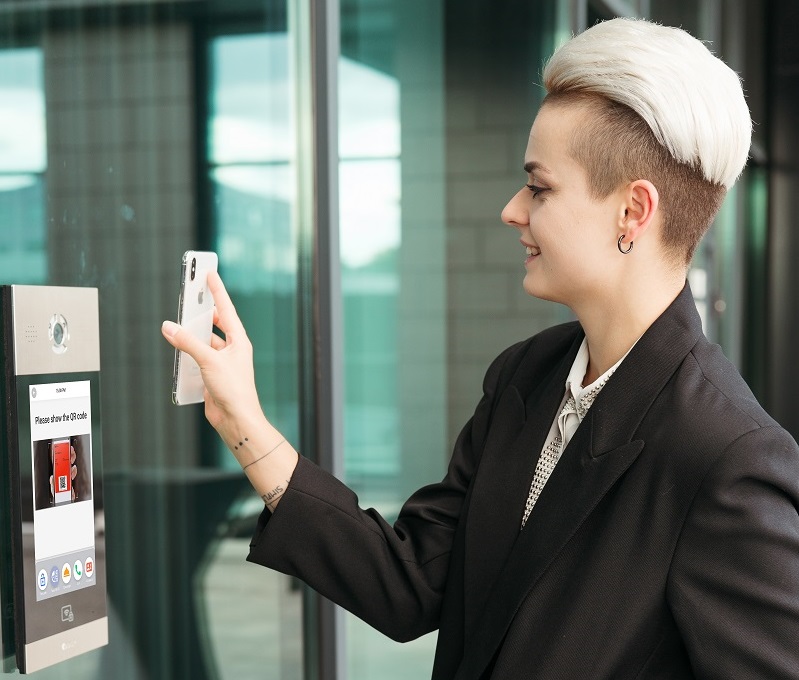
How Do Keyless Entry Systems Work?
Keyless entry systems use advanced technology to grant access to authorized individuals while keeping intruders out. The process is simple: tenants are issued a unique access code or key fob that is programmed to open their front door. Some keyless entry systems also include mobile apps that allow tenants to lock and unlock their doors remotely, monitor their entry logs, and receive real-time alerts if there are any unauthorized attempts to access their apartment.
Benefits of Keyless Entry Apartments
Enhanced Security
Traditional locks can be picked or manipulated, leaving your apartment vulnerable to break-ins. Keyless entry systems use state-of-the-art encryption technology to protect your home, making it much more difficult for intruders to gain access. Additionally, the remote monitoring and real-time alerts provided by keyless entry systems ensure that you will always know who is entering and leaving your apartment.
Convenience and Flexibility
With keyless entry apartments, there is no need to worry about losing your keys or forgetting them at home. You can simply use your smartphone or key fob to enter your apartment. Additionally, keyless entry systems make it easy to grant access to friends, family, and service providers without having to be physically present to hand over a key.
Open Your Door with Your Phone
QR Codes: Access Redefined
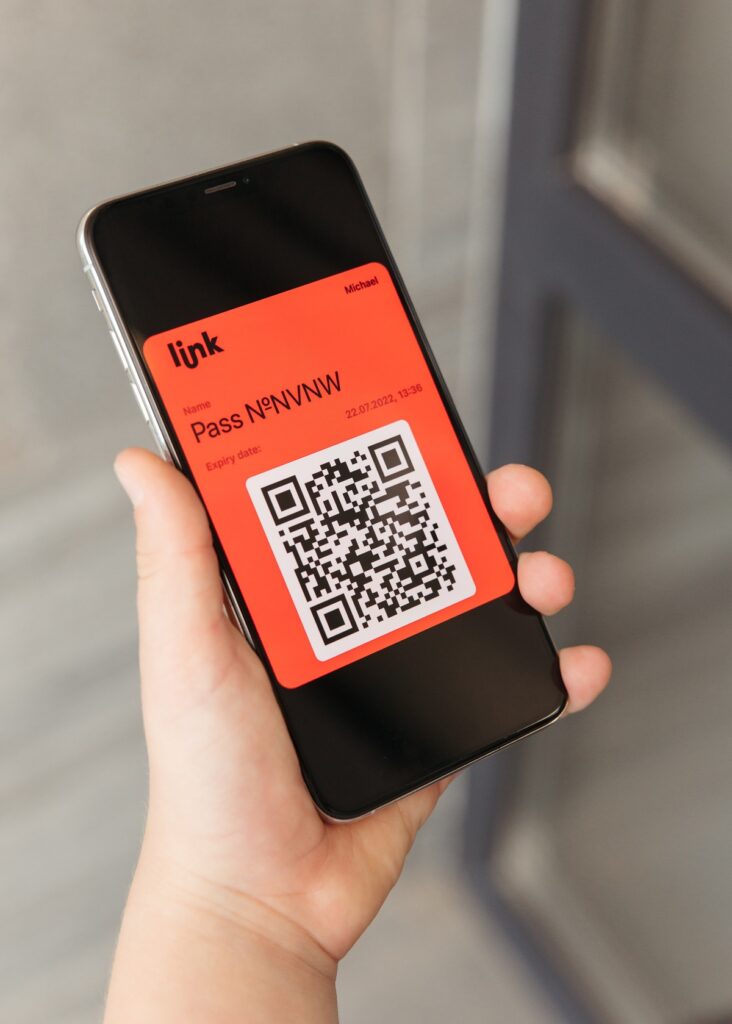
Quick Response (QR) codes are two-dimensional barcodes that can be easily scanned using your phone’s camera. By integrating QR codes into door locks, users can simply scan a code to gain access. Here’s how it works:
- The door lock system generates a unique QR code linked to the access control.
- The user scans the QR code with their phone’s camera.
- The access control system verifies the code and unlocks the door if authorized.
NFC/BLE: Seamless and Secure Entry
Near Field Communication (NFC) and Bluetooth Low Energy (BLE) are wireless communication technologies that enable devices to exchange data over short distances. By integrating NFC or BLE into door locks, users can effortlessly unlock doors with their phones. How does it work?
- The user’s phone connects to the door lock system via NFC or BLE.
- The door lock system verifies the user’s credentials.
- If authorized, the door is unlocked.
Temporary PINs: Shareable and Time-Limited Access
Granting temporary access to your home or office is a breeze with temporary PINs. This method allows users to create a unique code that can be shared with guests or service providers. How does it work?
- The user generates a temporary PIN using their phone or access control system.
- The guest or service provider enters the PIN on the door lock’s keypad.
- If the PIN is valid, the door is unlocked.
Temporary Links: Effortless Access Sharing
With temporary links, users can share access to their doors without revealing a code. This method is perfect for granting one-time access or providing access for a limited time. How does it work?
- The user generates a temporary link using their phone or access control system.
- The guest or service provider receives the link via email or messaging app.
- The recipient clicks the link, which automatically unlocks the door if authorized.
Like temporary PINs, temporary links can be set to expire, offering both convenience and security.
Cost-Effective
Although keyless entry systems may seem like an expensive investment, they can actually save you money in the long run. Traditional locks require frequent rekeying, which can add up in costs over time. Keyless entry systems, on the other hand, only require occasional battery replacement and software updates.
Are Keyless Entry Apartments Safe?
While some people may be concerned about the safety of keyless entry systems, they are actually much safer than traditional locks. Keyless entry systems use advanced encryption technology that is virtually impossible to hack or manipulate. Additionally, the real-time monitoring and remote access features allow tenants to keep a close eye on who is entering and leaving their apartment, providing an added layer of security.
Keyless Entry Apartments: The Future of Apartment Living
As technology continues to advance, it is likely that keyless entry apartments will become more and more common. With their enhanced security, convenience, and flexibility, keyless entry systems are the perfect solution for busy renters who value safety and ease of use.
In conclusion, keyless entry apartments offer many benefits over traditional lock and key systems. With their enhanced security features, convenience, and cost-effectiveness, they are a great choice for anyone looking to upgrade their living situation. If you are interested in learning more about keyless entry apartments, talk to your landlord or property manager today.
For more insights on mobile-based access, read about mobile credentials.