
Airbnb Property Management: A Lucrative Roadmap to Success
As the world embraces the sharing economy, Airbnb has emerged as a significant player in the property and hospitality industry. With its exponential growth, understanding Airbnb property management has never been more critical for hosts wanting to achieve success. This comprehensive guide will take you through the intricacies of managing an Airbnb property, highlighting its uniqueness from traditional property management.
Understanding Airbnb Property Management
Airbnb property management is the practice of operating, controlling, and overseeing short-term rentals. As an Airbnb property manager, your role is to ensure the property provides the best possible experience to its guests, which could lead to positive reviews and repeat customers. Unlike traditional property management, Airbnb property management requires a hospitality-focused approach, considering different clients, occupancy rates, laws, regulations, and taxes.
The Importance of Airbnb Property Management
Effective Airbnb property management plays a crucial role in a property’s profitability. It not only enhances the guest experience, leading to higher satisfaction rates, but also ensures the property’s conditions are well maintained. This, in turn, can increase the property’s value and appeal, further driving profitability.
| Impact Area | Description |
|---|---|
| Profitability | Effective property management can lead to increased occupancy rates, leading to higher revenue. |
| Guest Satisfaction | Good management ensures guests have a positive experience, which can lead to positive reviews and repeat bookings. |
| Property Maintenance | A well-maintained property can attract more guests and possibly command higher rental prices. |
Key Components of Airbnb Property Management
Airbnb property management involves several key components, each playing a crucial role in the overall success of the property. These include property maintenance, guest communication, pricing strategy, marketing strategy, safety measures, and cleanliness.
Property Maintenance

Property maintenance is a critical aspect of Airbnb property management. It involves ensuring the property is in excellent condition at all times. This includes regular cleaning, timely repairs, and routine maintenance tasks such as checking and replacing light bulbs or maintaining the garden. A well-maintained property not only attracts more guests but can also command higher rental prices.
Guest Communication
Communication with guests is a vital component of Airbnb property management. It begins from the moment a potential guest makes an inquiry and continues throughout their stay until they check out. Providing quick, friendly, and helpful responses can enhance guest satisfaction and lead to positive reviews.
Pricing Strategy
A well-thought-out pricing strategy is crucial in Airbnb property management. Prices can be adjusted based on various factors like seasonality, local events, and demand patterns. Dynamic pricing tools can automatically adjust prices based on these factors, helping maximize revenue.
Marketing Strategy
Marketing your Airbnb property effectively can significantly increase its visibility and attract more bookings. This includes optimizing your Airbnb listing with high-quality photos, enticing descriptions, and highlighting unique features or amenities. In addition, promoting your property on social media and other online platforms can help reach a broader audience.
Safety Measures
Ensuring guest safety is paramount in Airbnb property management. This involves complying with local safety regulations, such as installing smoke detectors and providing first aid kits. It also includes ensuring the property is secure, for example, by installing secure locks and providing clear instructions about property access.
Cleaning and Hygiene

In the era of heightened awareness about cleanliness and hygiene, maintaining a spotless and hygienic property is more important than ever. This involves thorough cleaning between stays, ensuring fresh linens and towels are provided, and maintaining cleanliness in all areas, including kitchen appliances and bathrooms. Some hosts opt to hire professional cleaning services to ensure the highest standards are met.
Building a Successful Airbnb Property Management Strategy

A successful Airbnb property management strategy involves understanding your target market, creating an attractive listing, streamlining check-in and check-out processes, managing reviews, and utilizing Airbnb’s SEO. Each of these elements contributes to the overall visibility and appeal of your listing, ultimately leading to increased bookings and revenue.
Understanding Your Target Market
The first step in building a successful Airbnb property management strategy is understanding your target market. Who are the guests you’re trying to attract? Are they business travelers, vacationing families, or couples on a romantic getaway? By understanding your target audience’s needs and preferences, you can tailor your property and services to meet those needs, thereby attracting more bookings.
Creating an Attractive Listing
An attractive listing can make a significant difference in the success of your Airbnb property. High-quality, well-lit photos can give potential guests a clear and inviting view of your property. Your description should highlight the unique features and amenities of your property, the local attractions, and any special touches you offer, like a welcome basket or local tips.
Streamlining Check-In and Check-Out Processes
Smooth check-in and check-out processes contribute to a positive guest experience. Implementing self-check-in systems like key lockboxes or smart locks can provide flexibility and convenience for your guests. Clear instructions for check-out procedures, including where to leave keys or how to handle trash, can help avoid confusion and ensure a smooth transition for your next guests.
Managing Reviews and Feedback
Reviews play a critical role in the Airbnb ecosystem. Promptly responding to reviews shows that you value your guests’ feedback and are committed to improving your services. Positive reviews can significantly enhance your property’s attractiveness, while effectively managing negative reviews can minimize their impact.
Utilizing Airbnb SEO
Airbnb uses a search algorithm to determine the order of listings that appear in a search result. By understanding and optimizing for these factors, you can increase your property’s visibility on the platform. This includes quick response times, high-quality photos, detailed descriptions, competitive pricing, and positive reviews.
Utilizing Technology in Airbnb Property Management
Technology plays a pivotal role in Airbnb property management. Property management software and automation tools can streamline operations, including guest communication and price adjustments, thus enhancing efficiency and profitability.
Property Management Software

There are several property management software solutions designed specifically for Airbnb and other short-term rentals. These platforms can handle various tasks, including booking management, calendar synchronization across multiple platforms, automated messaging, and revenue management. Examples include Guesty, Lodgify, and Hostfully. By automating routine tasks, hosts can save time and reduce the possibility of errors.
Dynamic Pricing Tools
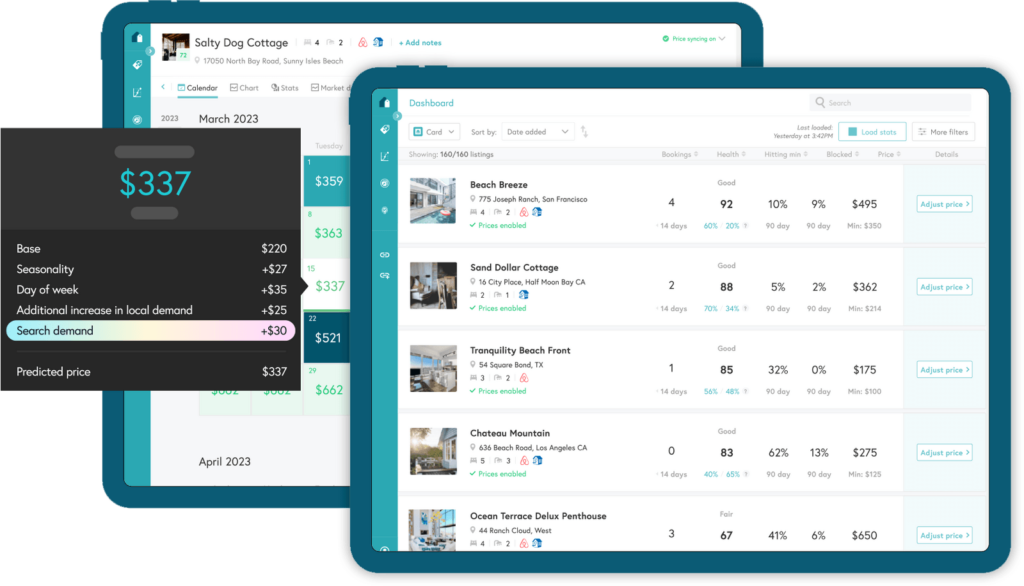
Dynamic pricing tools, such as Beyond Pricing and PriceLabs, use data-driven algorithms to adjust your rental rates dynamically based on factors like local demand, seasonality, and events. These tools can help maximize your revenue by ensuring your prices are competitive and reflect current market conditions.
Keyless Entry Systems

Keyless entry systems, such as smart locks, provide a secure and convenient way for guests to check in and out of the property. This eliminates the need for physical key exchanges and allows guests to arrive and leave at their convenience. It also enhances security as access codes can be changed between bookings.
Cleaning and Maintenance Management
Technology can also aid in scheduling and managing cleaning and maintenance tasks. Apps like Properly allow hosts to schedule cleanings, share visual checklists with cleaners, and verify that the job has been done correctly through photo documentation.
Guest Communication Automation
Automated messaging tools can help ensure timely communication with guests. These tools can automatically send messages at key points during the guest’s stay, such as check-in instructions or a message to check if everything is going well during their stay. This helps improve the guest experience while reducing the host’s workload.
By leveraging these technologies, Airbnb hosts can streamline their operations, improve guest satisfaction, and increase their property’s profitability.
Legal Considerations for Airbnb Property Management
Complying with local regulations and Airbnb policies is essential to avoid potential legal issues. Understanding insurance and liability aspects, along with Airbnb’s host guarantee and protection insurance, can safeguard hosts from unexpected incidents.
The Future of Airbnb Property Management
Technology and consumer trends are shaping the future of Airbnb property management. As hosts adapt to these changes, the industry will continue to evolve, offering more opportunities and challenges alike.
Greater Use of Technology
Technology is expected to play an even more significant role in Airbnb property management. Automation will likely expand to cover more areas, further streamlining operations and improving efficiency. Machine learning and AI could be used to predict demand patterns more accurately, helping hosts optimize their pricing and occupancy.
Sustainability
As the world becomes more environmentally conscious, sustainability will likely become a key consideration for Airbnb hosts. This might include implementing energy-saving measures, using eco-friendly cleaning products, or even offering electric vehicle charging stations. Guests are increasingly seeking sustainable travel options, and properties that can cater to this demand will have a competitive edge.
Personalization
With advancements in technology, there will be increased opportunities for personalization in the hospitality industry. Hosts will be able to tailor their offerings to individual guests, enhancing the guest experience and potentially leading to better reviews and repeat bookings.
Virtual and Augmented Reality
Virtual and augmented reality technologies could become more prevalent in the industry. Virtual reality could be used to offer virtual tours of properties, allowing potential guests to explore the property from their own home. Augmented reality could be used to provide guests with interactive information about the property or local area during their stay.
Regulatory Changes
As the short-term rental market continues to grow, it’s likely that regulations will evolve as well. Hosts will need to stay abreast of any changes to local laws or Airbnb’s own policies to ensure they remain compliant.
The future of Airbnb property management will undoubtedly present both challenges and opportunities. By staying informed and adaptable, hosts can navigate these changes and continue to succeed in the evolving landscape.
Conclusion
Mastering Airbnb property management can be a game-changer for hosts in the sharing economy. By understanding its intricacies and implementing effective strategies, hosts can maximize their property’s potential, leading to increased profitability and success.