
5 Budget-Friendly Alternatives to Intercom Systems

Intercom systems have been an essential tool for building communication and security. However, not everyone wishes to invest in intercoms, seeking more cost-effective alternatives. In this article, we will explore five budget-friendly alternatives to intercom systems that facilitate communication in buildings without breaking the bank. We will compare the advantages and disadvantages of each, provide a comparison chart, answer frequently asked questions, and ultimately conclude that a particular method outshines the rest.
Why Do People Look for Alternatives to Intercom Systems?
People look for alternatives to intercom systems for various reasons, including:
- Cost: Intercom systems can be expensive, especially when installing or upgrading a system in a large building or complex. People might look for more cost-effective solutions that offer similar functionality.
- Limited functionality: Traditional intercom systems primarily focus on voice communication between two points. As technology advances, people might seek out alternatives that offer additional features like video calling, access control, or integration with smart home systems.
- Scalability: Some intercom systems may not be easily scalable, making it difficult to add new units or expand the system to cover larger areas. People may prefer solutions that are easier to expand and adapt as their needs change.
- Installation complexity: Installing an intercom system can be labor-intensive and may require professional assistance. People might search for alternatives that are easier to install or offer wireless solutions to reduce the complexity of the setup process.
- Aesthetic appeal: Traditional intercom systems may not blend well with modern interior design or architecture. People might look for alternatives that offer sleeker designs or can be more easily concealed.
- Maintenance: Residential intercom systems can require regular maintenance, such as replacing components or troubleshooting issues. People may seek out alternatives that are more reliable or require less maintenance over time.
- Security concerns: Intercom systems, particularly older models, can be vulnerable to hacking or unauthorized access. Users may search for more secure alternatives that offer encryption, authentication, or other advanced security features.
- Compatibility: Some intercom systems may not be compatible with other technology or devices, such as smartphones or smart home systems. People might look for alternatives that can seamlessly integrate with their existing technology.
- Mobility: Traditional intercom systems are usually stationary, with fixed points of communication. People might prefer alternatives that allow for more mobility or remote access, enabling them to communicate from different locations within the building or even outside of it.
- Obsolescence: As technology continues to advance, traditional intercom systems may become outdated, prompting users to search for more modern, feature-rich alternatives.
Top 5 Budget-Friendly Building Intercom Alternatives
1. Messaging Apps (e.g., WhatsApp, Viber)
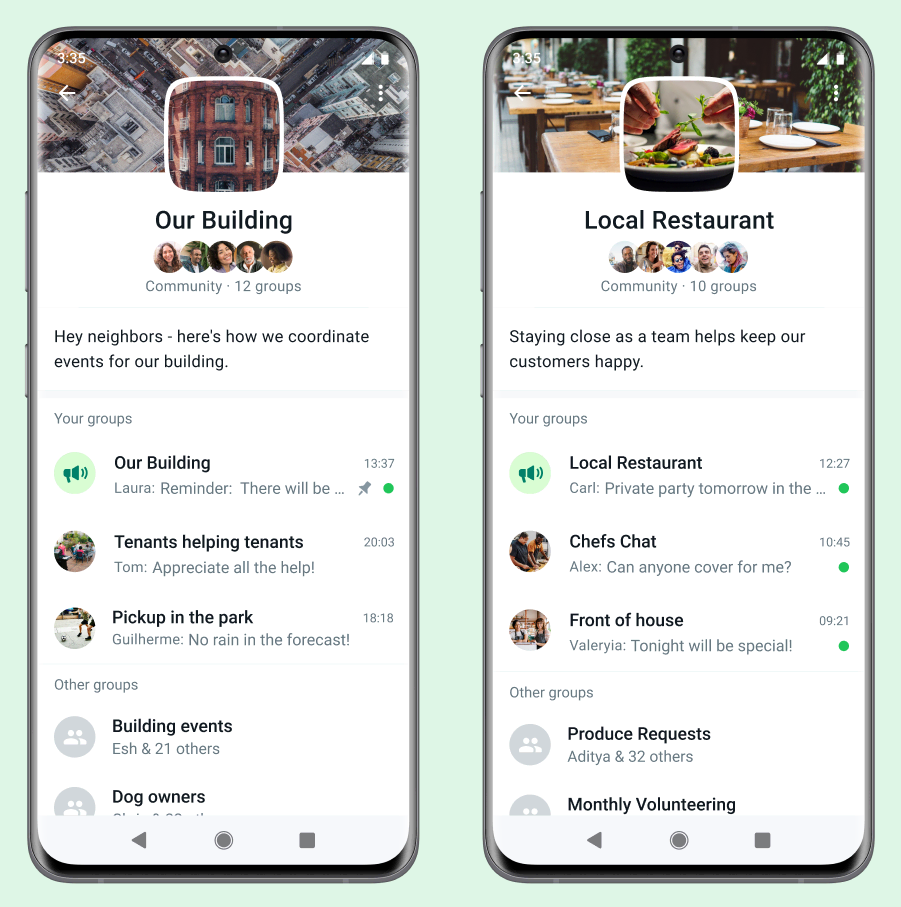
Advantages:
- Free to use or low-cost subscriptions
- Encrypted messaging for privacy
- Group chats enable communication among tenants or employees
- Available on smartphones, tablets, and computers
Disadvantages:
- Not all tenants may use the same app or platform
- Relies on internet connection and availability
- Less secure than dedicated intercom systems
2. Walkie-Talkies


Advantages:
- Immediate communication
- No subscription fees or ongoing costs
- Can be used within a limited range without internet connection
Disadvantages:
- Limited to short-range communication
- Requires purchase of walkie-talkie units for each user
- Not as secure as other options
3. Slack or Microsoft Teams
Advantages:
- Centralized communication platform for tenants and property management
- Supports direct messaging, group chats, and file sharing
- Integrates with various third-party applications
- Available on multiple devices
Disadvantages:
- Requires an internet connection
- Learning curve for users unfamiliar with the platform
- Can be expensive for large buildings with numerous users
4. Email and Mailing Lists
Advantages:
- Widely accessible and familiar platform
- No additional costs, besides existing email provider
- Allows asynchronous communication
- Provides an archived record of communication
Disadvantages:
- Less immediate than other options
- May lead to cluttered inboxes and overlooked messages
- Not suited for urgent communication
5. Online Forums or Message Boards
Advantages:
- Centralized location for community discussions and announcements
- Users can post and respond to messages at their convenience
- Can be free or low-cost, depending on the platform
Disadvantages:
- Requires internet access
- May have a learning curve for some users
- Less secure and immediate than dedicated intercom systems
Building Intercom Alternatives Comparison Chart
| Alternative | Cost | Accessibility | Security | Ease of Use |
|---|---|---|---|---|
| Messaging Apps | Free/Low-Cost | High | Medium | High |
| Walkie-Talkies | One-Time Cost | Medium | Low | High |
| Slack/Teams | Subscription | High | High | Medium |
| Email/Mailing List | Free/Low-Cost | High | Medium | High |
| Forums/Message Board | Free/Low-Cost | High | Low | Medium |
Frequently Asked Questions
Conclusion
Each communication alternative has its own advantages and disadvantages, and the ideal choice depends on your building’s specific requirements and budget constraints. While messaging apps, walkie-talkies, and other solutions mentioned in this article can be helpful in various scenarios, the best alternative to traditional intercom systems remains IP intercom systems, such as those offered by BAS-IP.

IP intercom systems provide a seamless, feature-rich experience that combines the convenience of advanced communication platforms with the security and reliability of dedicated intercom systems. These systems cater to the diverse needs of building residents or employees while ensuring top-notch security and ease of use. In conclusion, while exploring budget-friendly alternatives can be a viable solution for certain buildings, investing in an IP intercom system, like the ones manufactured by BAS-IP, guarantees a robust, reliable, and future-proof communication infrastructure.