
Unraveling the Intricacies of Chicago’s Intercom Scene
Chicago, the Windy City, is known for its rich cultural heritage, stunning architecture, and thriving urban lifestyle. In a bustling metropolis like Chicago, the importance of security and communication systems cannot be overstated. One such system that is essential to the city’s functioning is the intercom. In this article, we will delve into the unique aspects of intercom systems in Chicago, exploring why they are indispensable, and discussing the peculiarities of the intercom business in the city. We will also discuss the benefits of IP intercom systems for Chicago and answer some frequently asked questions related to intercom installation in the city.

Chicago’s Peculiarities: The Perfect Setting for Intercom Systems
Chicago is home to an array of architectural marvels, from historic buildings to modern high-rises. This urban landscape creates a unique environment that necessitates efficient communication and security systems. Here are some factors that make intercom systems indispensable in Chicago:
- Dense Population: As the third most populous city in the United States, Chicago has a high concentration of people living and working in close proximity. Intercom systems facilitate effective communication between residents, visitors, and employees.
- High Crime Rate: Chicago has a relatively high crime rate, making security a top priority for both residential and commercial properties. Intercom systems, especially video intercoms, can help improve safety and deter potential criminals.
- Architectural Diversity: Chicago’s diverse range of buildings, from vintage apartment complexes to modern office spaces, requires versatile and adaptable intercom solutions that cater to specific needs.
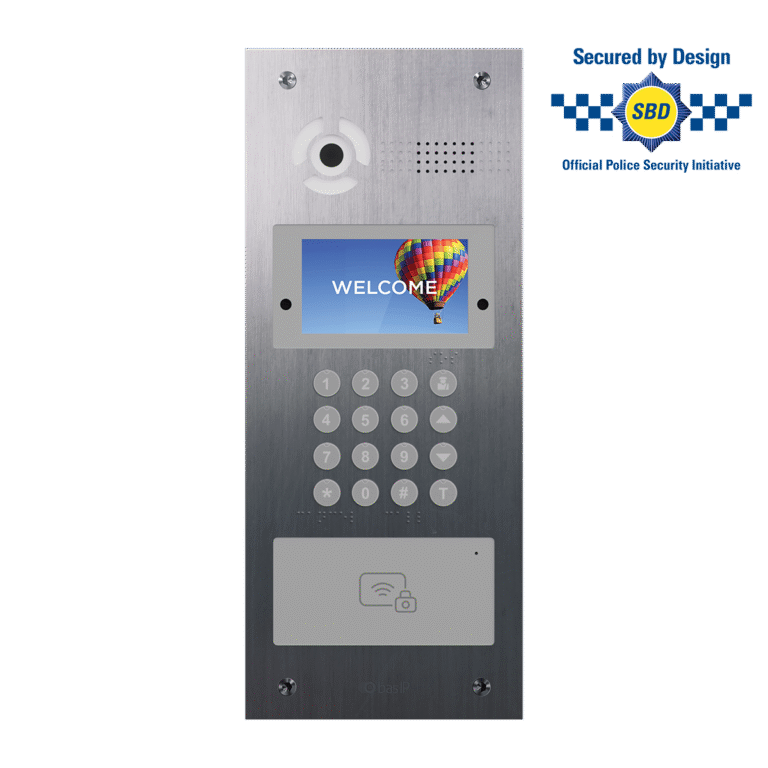
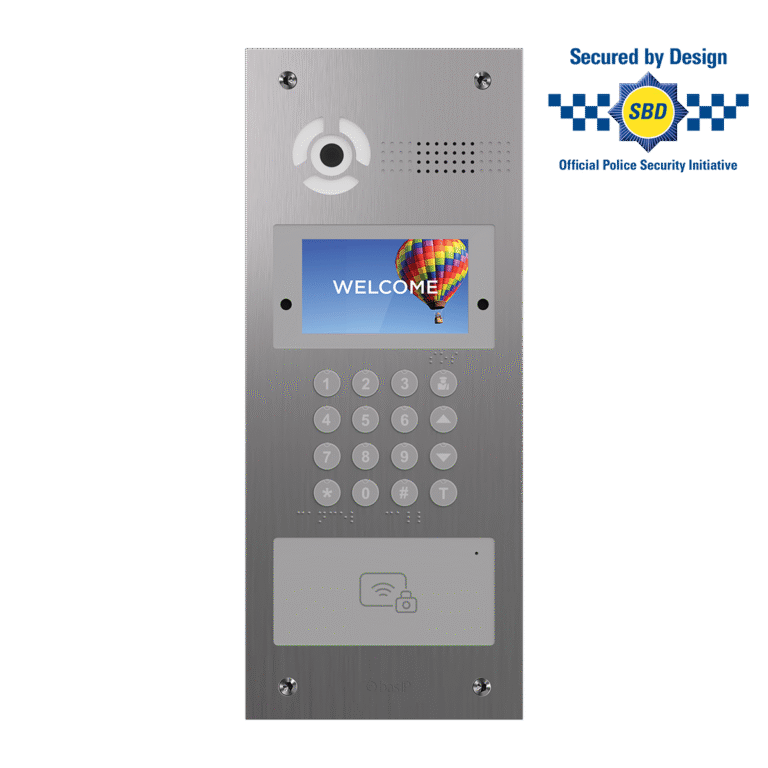
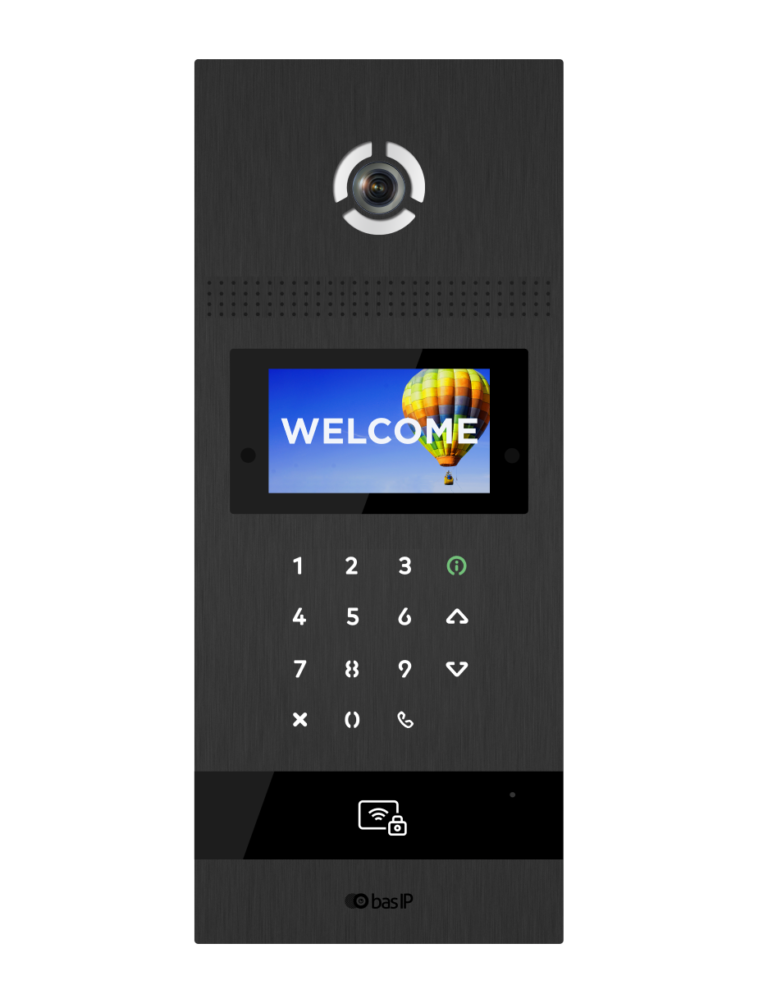
Building Call Box
Delving Into the Intercom Business in Chicago
The intercom business in Chicago is characterized by a competitive landscape, with several local and national companies vying for a share of the market. Some key insights about the industry include:
- Strong Demand: Given the city’s size, population, and security concerns, there is a consistent demand for intercom systems in Chicago.
- Technological Innovation: The industry is constantly evolving, with new technologies such as IP intercom systems and video intercoms gaining traction among customers.
- Regulations and Compliance: Intercom systems in Chicago are subject to certain regulations and requirements, such as the Chicago intercom law, which mandates that residential buildings with 12 or more units must have a functioning intercom system.
Why IP Intercom Systems Are Beneficial for Chicago
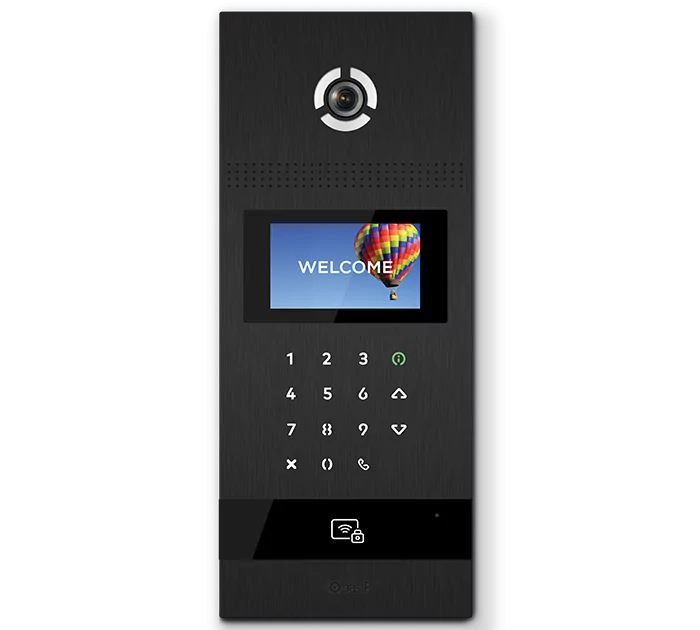
IP intercom systems have emerged as a popular choice among customers, thanks to the numerous advantages they offer over traditional analog systems. Here are some benefits of IP intercom systems for Chicago:
- Enhanced Security: IP intercom systems offer advanced security features such as video monitoring, access control, and remote management, making them ideal for Chicago’s security-conscious environment.
- Scalability: IP intercoms can be easily expanded or modified to accommodate new buildings or additional units, making them suitable for Chicago’s ever-changing urban landscape.
- Integration: IP intercom systems can be seamlessly integrated with other security and communication systems, such as CCTV cameras and access control systems, providing a comprehensive security solution for properties in Chicago.
- Cost-Effectiveness: IP intercoms utilize existing network infrastructure, reducing the need for extensive cabling and lowering installation costs.


Intercom Installation in Chicago: Do You Need a Work Permit?
If you’re planning to install an building intercom system in Chicago, you may be wondering if you need a work permit. While specific requirements may vary depending on the scope of the project and the type of building, in most cases, you will need to obtain a work permit for intercom installation in Chicago. The city has stringent regulations in place to ensure the safety and compliance of electrical installations, and obtaining the necessary permits is a crucial part of this process. However, it is always advisable to consult with a professional intercom installation company to determine the exact requirements for your project.
Frequently Asked Questions About Intercom Systems in Chicago
Conclusion
In conclusion, intercom systems play a crucial role in ensuring the safety, security, and convenience of residents, visitors, and employees in Chicago. Understanding the unique aspects of the city’s intercom landscape, as well as the benefits of innovative solutions like IP intercom systems, can help property owners and managers make informed decisions about their communication and security needs. By adhering to local regulations and working with reputable intercom installation companies, you can ensure that your intercom system is tailored to your property’s specific requirements and provides the highest level of protection and functionality.