
Skip to Content
Go back

Mastering the Art of Integration: Unleashing the Power of a Security System Integrator

Security is one of the top priority for businesses, organizations, and homes. With the ever-evolving landscape of threats and the increasing sophistication of malicious actors, it is crucial to have a reliable and robust security infrastructure. A security system integrator plays a critical role in achieving this goal. In this comprehensive guide, we will delve into the world of security system integration, its importance, and how to make the most of this essential service.
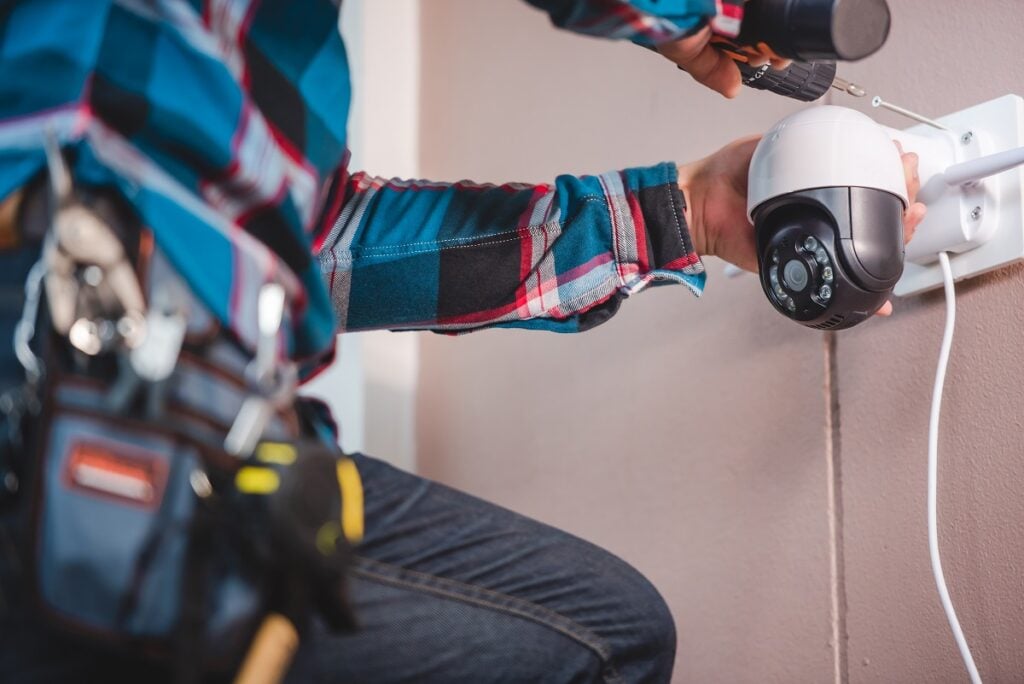
Security System Integrator

Who Is a Security System Integrator?

A security system integrator is a professional or firm specializing in designing, implementing, and managing comprehensive security systems. These experts combine various security components, such as access control, video surveillance, intercom, intrusion detection, and other security technologies, to create a unified and seamless system that meets the unique needs of each client.

The Importance of Security System Integration

Integrating different security components is essential for several reasons:

  • Enhanced Efficiency: A well-integrated security system allows for streamlined management, reducing the risk of errors and ensuring a faster response to potential threats.
  • Cost-Effectiveness: By optimizing the use of existing and new security technologies, a security system integrator can help clients save money while still achieving the desired level of protection.
  • Scalability: As businesses and organizations grow, their security needs evolve. A security system integrator ensures that the security infrastructure can adapt to these changes without requiring a complete overhaul.

Selecting the Right Security System Integrator. Key Factors to Consider

When choosing a security integrator, keep the following factors in mind:

  • Experience: Ensure the integrator has a proven track record in implementing security systems in your industry or for organizations of similar size and complexity.
  • Technical Expertise: Assess the integrator’s knowledge of current security technologies and their ability to integrate various components seamlessly.
  • Customer Service: A dedicated and responsive support team is crucial to address any concerns or issues that may arise during the integration process.b. Asking the Right Questions
See also  The Importance of Outdoor Waterproof Intercom Systems: Understanding Protection Levels

Before partnering with a security system integrator, consider asking the following questions:

  • What is your experience in integrating security systems for organizations similar to ours?
  • How do you stay updated on the latest security technologies and industry best practices?
  • Can you provide references from past clients?
  • What is your approach to project management, and how do you ensure timely completion of the integration process?

Maximizing the Benefits of a Security System Integrator

Establish Clear Objectives

Before starting the integration process, outline your security goals and requirements. This will help the security system integrator tailor the solution to your specific needs.

Foster Collaboration

Encourage open communication between your internal team and the security integrator. This will ensure that all parties are on the same page and that the integration process runs smoothly.

Monitor Progress

Regularly review the progress of the integration process to ensure that it stays on track and meets the established objectives.

FAQs

Q: How long does the security system integration process typically take?

The duration of the integration process depends on the complexity of the security system and the client’s specific requirements. A security system integrator can provide a more accurate timeline after assessing the project scope.

Q: Can a security system integrator help with regulatory compliance?

Yes, an experienced security system integrator should be familiar with the relevant regulations and industry rules.

similar articles
Articles

The entry panel is the first point of contact between a building and a person. And if this building is municipal, social, medical, or educational, the panel at the entrance must be clear and convenient for everyone: the hard of hearing, the visually impaired, elderly people, visitors unfamiliar with the system. AV-08FBIL was designed precisely […]

Articles

A video intercom monitor is often treated as just a screen on the wall. In reality, it is one of the key parts of the system: it is the device through which the user receives the call, sees the visitor, speaks with them and manages access. What a Video Intercom Monitor Is A video intercom […]

Articles

When the word “SIP” appears in the specifications of an intercom or entry panel, it often sounds like something purely technical. In practice, the meaning is much more practical. SIP is a protocol used to establish communication between devices on a network. Put simply, it helps one system “call” another, establish a connection, and begin […]

Articles

When people first come across the term “IP video intercom,” it often sounds more technical than it really is. In practice, the basic idea is fairly simple. An IP video intercom is an intercom system that works over a network. In other words, communication between the entry panel, the indoor monitor, and other devices is […]

Articles

An entry panel is often treated as just “the button by the door.” In reality, it is one of the key elements of the intercom system. It is the device through which a call begins, audio and video are carried, and, in some cases, access, identification, and different entry scenarios are handled. So it is […]

Articles

Access control and a video intercom are often treated as though they were the same thing, because both are linked to entering a building. But they are not quite the same. A video intercom is primarily about communication with a visitor: the call, the conversation, the image, and the decision to release the door. Access […]

Articles

What PoE Means in Simple Terms PoE stands for Power over Ethernet. Put simply, it means that the same Ethernet cable can carry both data and power. That means that, for some devices, you do not need a separate network connection and a separate power feed. If the equipment supports PoE, one cable may be […]

Articles

Why This Comparison Is Often Presented Too Simplistically When people talk about the difference between an IP and an analog video intercom, the discussion is often reduced to a crude formula: analog is basic and outdated, while IP is automatically modern and better. That is a convenient story if someone only wants to sell IP […]

Articles

Start Not with the Design, but with the Use Scenario The most common mistake is choosing an entry panel without a clear task in mind. A panel for a private house, a block of flats, an office, or a commercial site is not the same thing. First, answer the basic questions: How many users will […]

Articles

What the Difference Actually Is A flush-mounted panel is recessed into the wall or into a prepared niche, so only the front face remains visible from the outside. That makes the installation look neater and more integrated. A surface-mounted panel is fixed on top of the wall. It protrudes further, but it is usually much […]