
Access Control Vestibules: Types and Peculiarities
Access control vestibules serve as a vital component in maintaining the security of various facilities. By regulating entry and exit, these unique spaces help create an additional layer of protection. This comprehensive guide will explore the peculiarities and types of access control in vestibules, providing a deeper understanding of their importance and applications.
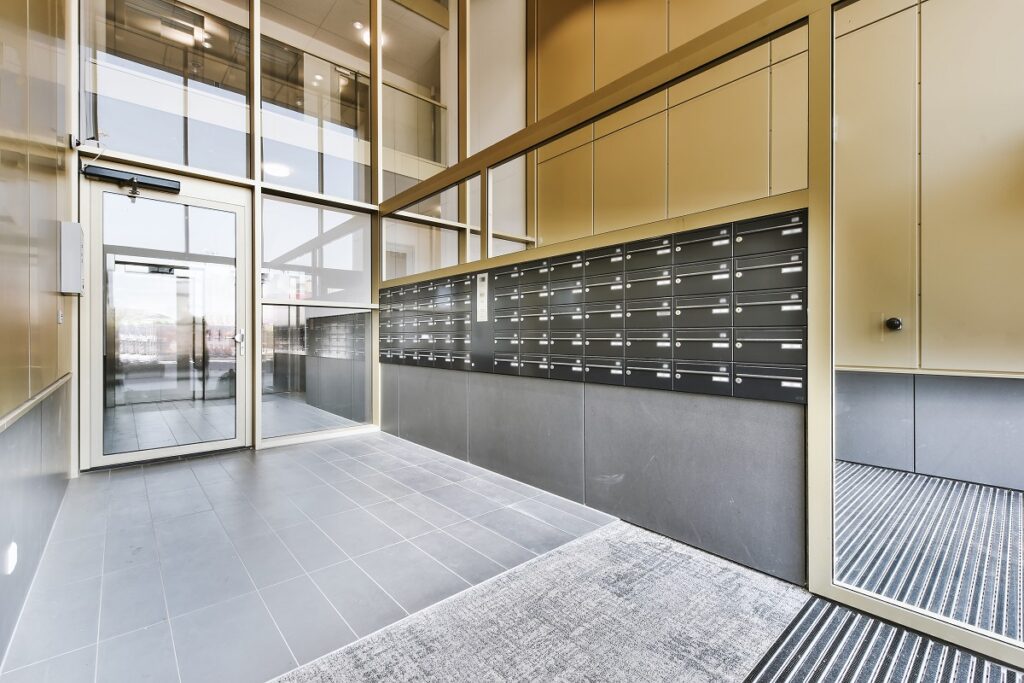
Table of Contents
- Peculiarities of Access Control in Vestibules
- 1.1. Enhanced Security
- 1.2. Traffic Control
- 1.3. Customizable Access
- Vestibule Doors and Intercom Integration
- Types of Access Control in Vestibules
- 2.1. Biometric Systems
- 2.2. Keycard Access
- 2.3. PIN-based Systems
- 2.4. Smartphone Access
- FAQs
- Conclusion
Peculiarities of Access Control in Vestibules
Enhanced Security
One of the most significant peculiarities of access control vestibules is the enhanced security they provide. By creating a secure space between the exterior and interior of a building, unauthorized individuals are prevented from entering, while authorized individuals can safely pass through. This buffer zone also deters tailgating, ensuring that no unauthorized person can slip in behind an authorized individual.
Traffic Control
Access control vestibules facilitate the smooth flow of foot traffic in and out of a building. By separating entry from exit points, congestion is reduced, and safety is improved. In addition, these vestibules can be used to manage crowd flow during peak hours, making them ideal for high-traffic areas.
Customizable Access
Access control vestibules can be customized according to the specific needs of a facility. Based on the level of security required, different types of access control systems can be installed, including biometrics, keycard access, PIN-based systems, and smartphone access. This flexibility allows organizations to select the most suitable system for their needs.
Vestibule Doors and Intercom Integration
Vestibule doors, specifically designed for access control vestibules, provide an additional layer of security and contribute to the overall effectiveness of the access control system. These doors are typically made of durable materials, such as reinforced steel or bullet-resistant glass, ensuring that the vestibule remains secure against potential threats.

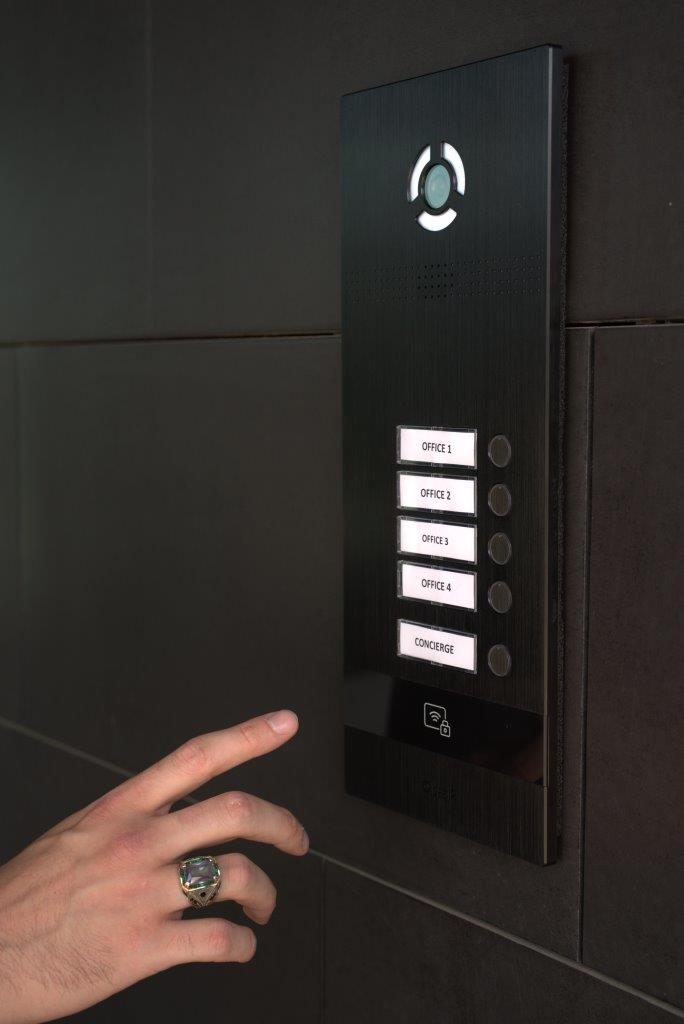
Incorporating intercom systems into your access control vestibule can further enhance security and communication. Intercoms allow personnel inside the building to communicate with individuals at the vestibule doors, verifying their identity before granting access. Additionally, intercom systems can be integrated with video surveillance, providing visual confirmation of the person requesting entry. By combining vestibule doors with intercom systems, organizations can create a comprehensive and effective access control solution that offers increased safety and convenience.
Types of Access Control in Vestibules
Biometric Systems
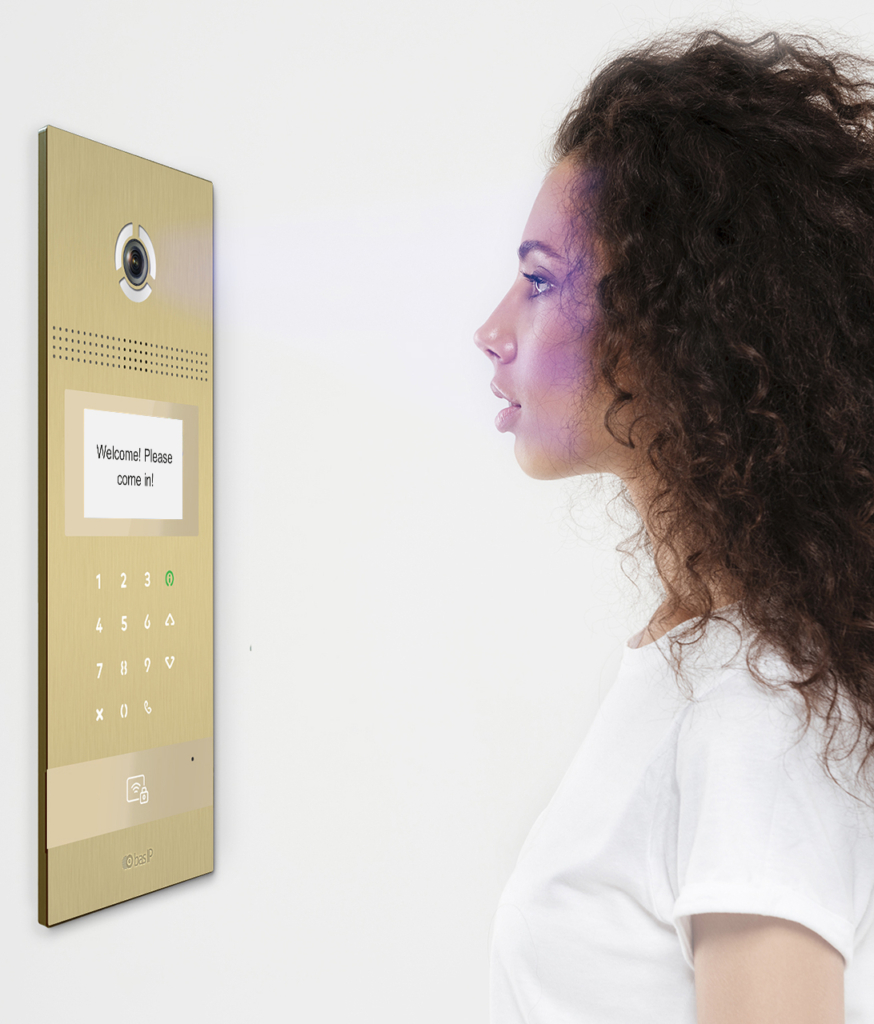
Biometric access control systems rely on unique physical traits, such as fingerprints or facial recognition, to grant or deny entry. These systems are highly secure, as they ensure that only authorized individuals can access the vestibule. Biometric systems can also be used in combination with other types of access control for an even higher level of security.
Keycard Access
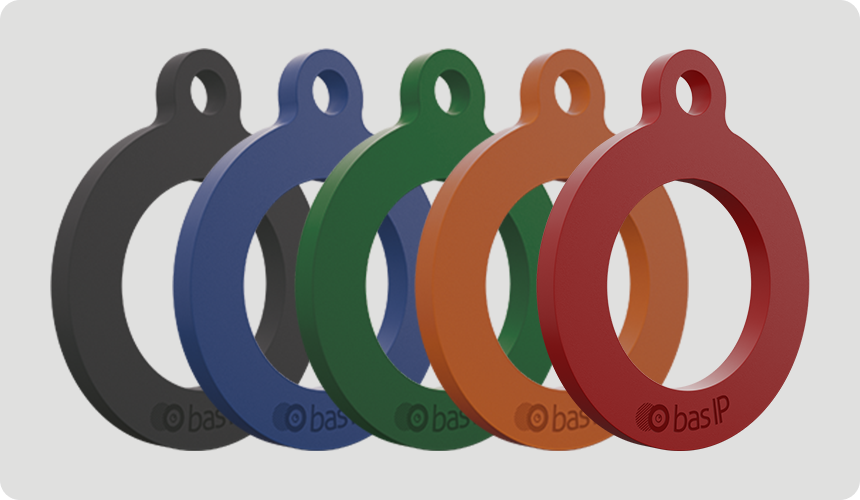
Keycard access systems utilize electronic cards embedded with a microchip to grant entry to authorized users. When the card is swiped or tapped on a reader, the system verifies the user’s credentials and grants access if authorized. Keycard access systems are convenient, easy to use, and can be deactivated if lost or stolen.
PIN-based Systems
PIN-based access control systems require users to enter a unique personal identification number (PIN) on a keypad to gain entry. This type of system is convenient, as users do not need to carry a physical card or key. However, it is essential to ensure that PINs are kept secure and not shared with unauthorized individuals.
Smartphone Access
Smartphone access control systems allow users to unlock doors using their smartphones. By installing an app on their phones, users can gain access to the vestibule with a tap or by scanning a QR code. This option is convenient for users and can be easily managed by administrators. However, it is crucial to ensure the app and the user’s smartphone are secure to prevent unauthorized access.