
Skip to Content
Go back

Unraveling the Mystery: What is Uninterruptible Power Supply for Intercom?

Hold your horses, folks! We’re about to delve into an electrifying topic that keeps the conversation going—literally. When it comes to security and communication, one can’t afford to drop the ball. So, what is uninterruptible power supply for intercom? This article will walk you through the ins and outs of this essential technology that ensures uninterrupted communication and security in various settings. By the end of this journey, you’ll be the life of the party with your newfound knowledge.
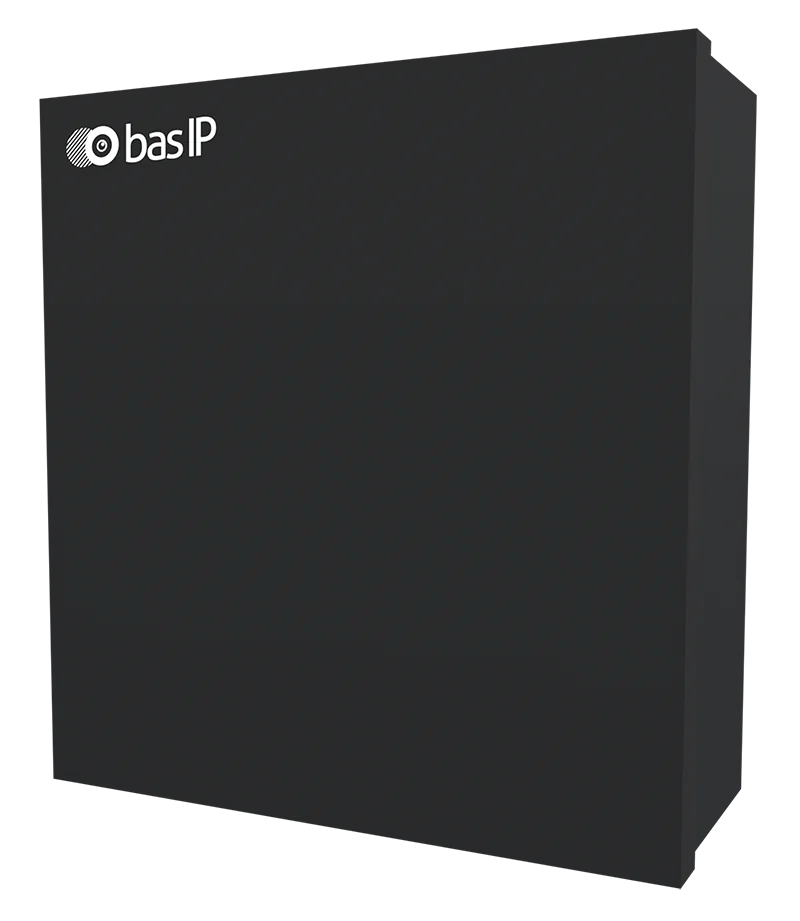
Uninterruptible Power Supply Unit

The Nitty-Gritty of Uninterruptible Power Supply for Intercom

Power Supply 101: What’s the Buzz?

Before we get down to brass tacks, let’s shed some light on uninterruptible power supply (UPS) itself. UPS is like your guardian angel—always there to save the day when electricity goes haywire. Essentially, it’s a backup power system that instantly kicks in when the main power source fails, keeping your devices up and running.

UPS Types:

It’s a Matter of Choice There are three main UPS types, each with its own perks and quirks:

  1. Standby UPS: Also known as “offline” UPS, this type only springs into action when a power outage occurs, switching from the main power source to its battery backup. It’s cost-effective but may not handle power fluctuations as smoothly as other types.
  2. Line-interactive UPS: This one’s the middle ground, providing some level of power conditioning and voltage regulation. It’s more robust than the standby UPS but still affordable.
  3. Online UPS: The cream of the crop, this UPS type continuously supplies power from its battery, ensuring zero downtime during power outages. However, it’s also the most expensive option.
See also  What Is a Video Intercom Monitor and How Does It Work?

Now, let’s connect the dots: what does uninterruptible power supply have to do with intercom systems?

The Dynamic Duo: UPS and Intercom Systems

Keep Calm and Communicate On

Intercom systems are the unsung heroes of secure communication, be it in residential, commercial, or industrial settings. But what happens when there’s a power failure? You guessed it—communication is disrupted. That’s where UPS swoops in, providing an uninterruptible power supply for intercom systems, ensuring seamless communication even during power outages.

Reaping the Benefits of UPS for Intercom

Integrating UPS with intercom systems offers several advantages:

  1. Uninterrupted communication: As mentioned earlier, UPS ensures continuous communication, which is vital in emergencies or when coordinating with security personnel.
  2. Enhanced security: UPS-powered intercoms maintain access control and surveillance, even during power failures, keeping properties secure.
  3. Peace of mind: Residents and business owners can rest easy knowing that their intercom system will function without a hitch, regardless of power supply issues.

FAQs: Clearing the Air on UPS for Intercom

Q: What is uninterruptible power supply for intercom?

UPS for intercom is a backup power system that ensures continuous operation of intercom systems during power outages or fluctuations.

Q: How does a UPS work for intercom systems?

A UPS connected to an intercom system provides instant power from its battery backup when the main power source fails, maintaining the intercom’s functionality.

Q: Can I use a UPS for other devices besides intercom systems?

Absolutely! UPS systems are versatile and can be used to provide backup power for a variety of devices, including computers, servers, security systems, and more.

Q: How long can a UPS sustain an intercom system during a power outage?

The duration depends on the UPS capacity and the power consumption of the intercom system. Typically, a UPS can sustain an intercom system for several minutes to a few hours, giving you ample time to address the power issue or take necessary action.

A Match Made in Technological Heaven

In a nutshell, an uninterruptible power supply for intercom systems is a lifesaver that ensures smooth communication and enhanced security during power failures or fluctuations. By investing in a UPS for your intercom system, you’re safeguarding your property and fostering reliable communication when it matters most. So, the next time someone asks, “What is uninterruptible power supply for intercom?” you’ll be ready to drop some knowledge bombs and enlighten them on this powerful combination.

similar articles
Articles

The entry panel is the first point of contact between a building and a person. And if this building is municipal, social, medical, or educational, the panel at the entrance must be clear and convenient for everyone: the hard of hearing, the visually impaired, elderly people, visitors unfamiliar with the system. AV-08FBIL was designed precisely […]

Articles

A video intercom monitor is often treated as just a screen on the wall. In reality, it is one of the key parts of the system: it is the device through which the user receives the call, sees the visitor, speaks with them and manages access. What a Video Intercom Monitor Is A video intercom […]

Articles

When the word “SIP” appears in the specifications of an intercom or entry panel, it often sounds like something purely technical. In practice, the meaning is much more practical. SIP is a protocol used to establish communication between devices on a network. Put simply, it helps one system “call” another, establish a connection, and begin […]

Articles

When people first come across the term “IP video intercom,” it often sounds more technical than it really is. In practice, the basic idea is fairly simple. An IP video intercom is an intercom system that works over a network. In other words, communication between the entry panel, the indoor monitor, and other devices is […]

Articles

An entry panel is often treated as just “the button by the door.” In reality, it is one of the key elements of the intercom system. It is the device through which a call begins, audio and video are carried, and, in some cases, access, identification, and different entry scenarios are handled. So it is […]

Articles

Access control and a video intercom are often treated as though they were the same thing, because both are linked to entering a building. But they are not quite the same. A video intercom is primarily about communication with a visitor: the call, the conversation, the image, and the decision to release the door. Access […]

Articles

What PoE Means in Simple Terms PoE stands for Power over Ethernet. Put simply, it means that the same Ethernet cable can carry both data and power. That means that, for some devices, you do not need a separate network connection and a separate power feed. If the equipment supports PoE, one cable may be […]

Articles

Why This Comparison Is Often Presented Too Simplistically When people talk about the difference between an IP and an analog video intercom, the discussion is often reduced to a crude formula: analog is basic and outdated, while IP is automatically modern and better. That is a convenient story if someone only wants to sell IP […]

Articles

Start Not with the Design, but with the Use Scenario The most common mistake is choosing an entry panel without a clear task in mind. A panel for a private house, a block of flats, an office, or a commercial site is not the same thing. First, answer the basic questions: How many users will […]

Articles

What the Difference Actually Is A flush-mounted panel is recessed into the wall or into a prepared niche, so only the front face remains visible from the outside. That makes the installation look neater and more integrated. A surface-mounted panel is fixed on top of the wall. It protrudes further, but it is usually much […]