Skip to Content
Go back

Intercom Phone System vs. IP Intercom: A Modern Comparison

The intercom phone system has been a popular choice for decades, with brands like Doorking and Linear leading the industry. However, technological advancements have given rise to a new contender: the IP intercom system. In this article, we will delve into the world of intercom phone systems, their drawbacks compared to IP intercom systems, and introduce BAS-IP, a supplier of cutting-edge IP intercom solutions. Let’s begin our journey into the past, present, and future of intercom systems.

Traditional Phone Intercom System: A Brief Overview

An intercom phone system, or telephone intercom, is a two-way communication device that allows users to communicate within a building or area without the need for a traditional phone line. These systems have been prevalent in residential buildings, offices, and commercial establishments. Key producers in this market include Doorking and Linear, both of which have provided various telephone intercom system solutions over the years.
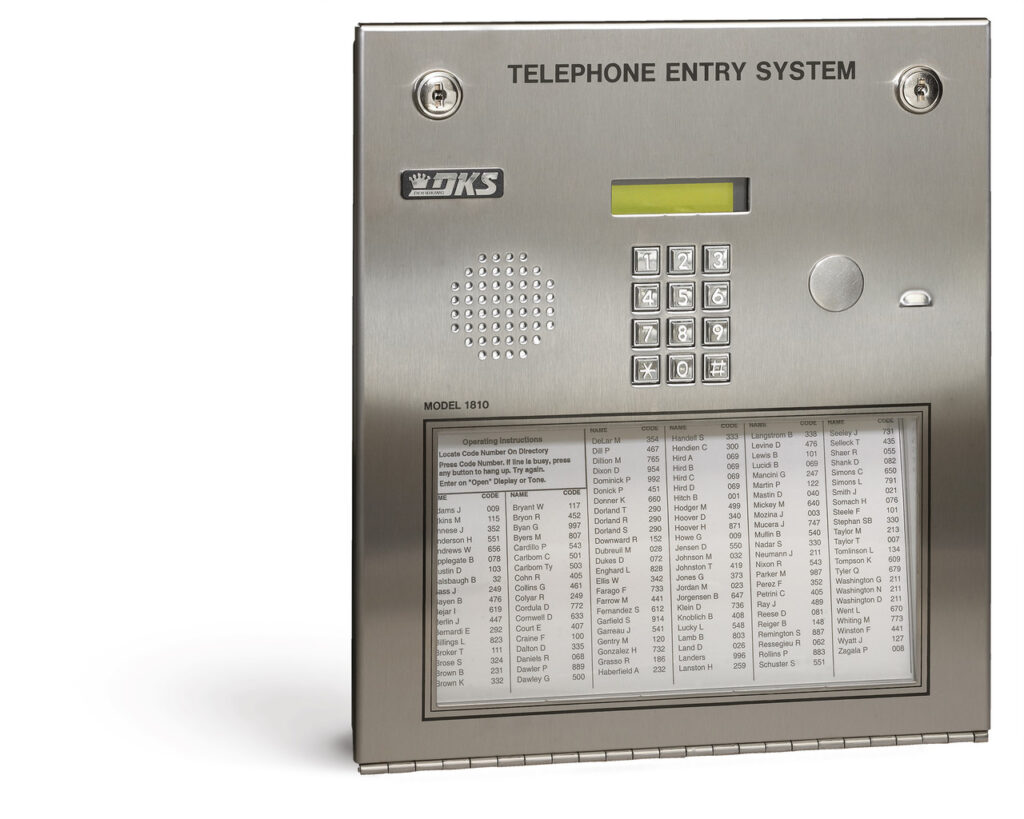
Doorking Intercom Phone System

Disadvantages of Telephone Intercom System

While intercom phone systems have been reliable for many years, they come with several disadvantages compared to the more advanced IP intercom systems:

  1. Limited Scalability: Traditional intercom phone systems can be difficult to expand or upgrade, limiting their adaptability to growing needs.
  2. Complex Wiring: Installing and maintaining an intercom phone system typically requires extensive wiring, which can be time-consuming and costly.
  3. Lower Audio Quality: Audio quality in traditional telephone intercom systems can suffer due to analog technology, making communication less effective.
  4. Lack of Integration: Most intercom phone systems don’t integrate with other smart devices or security systems, limiting their potential for automation and convenience.

See also  What is Intercom? Unveiling the Power of Advanced Communication Systems
Phone Intercom System Wiring
Phone Intercom System Wiring. Some Installers Call It “Pasta”

IP Intercom Systems: The Future of Communication

IP intercom systems, like those offered by BAS-IP, have emerged as a powerful alternative to traditional telephone intercoms. Leveraging internet protocol (IP) technology, these systems boast numerous advantages over their older counterparts:

  1. Easy Scalability: IP intercom systems can be effortlessly expanded and upgraded, adapting to the changing needs of users.
  2. Simplified Installation: With fewer cables and a more streamlined setup process, IP intercom systems are easier and more cost-effective to install and maintain.
  3. Enhanced Audio Quality: By utilizing digital technology, IP intercom systems provide superior audio quality for clear and effective communication.
  4. Seamless Integration: IP intercom systems can be integrated with other smart devices and security systems, offering a comprehensive, automated, and convenient solution.

Building Call Box
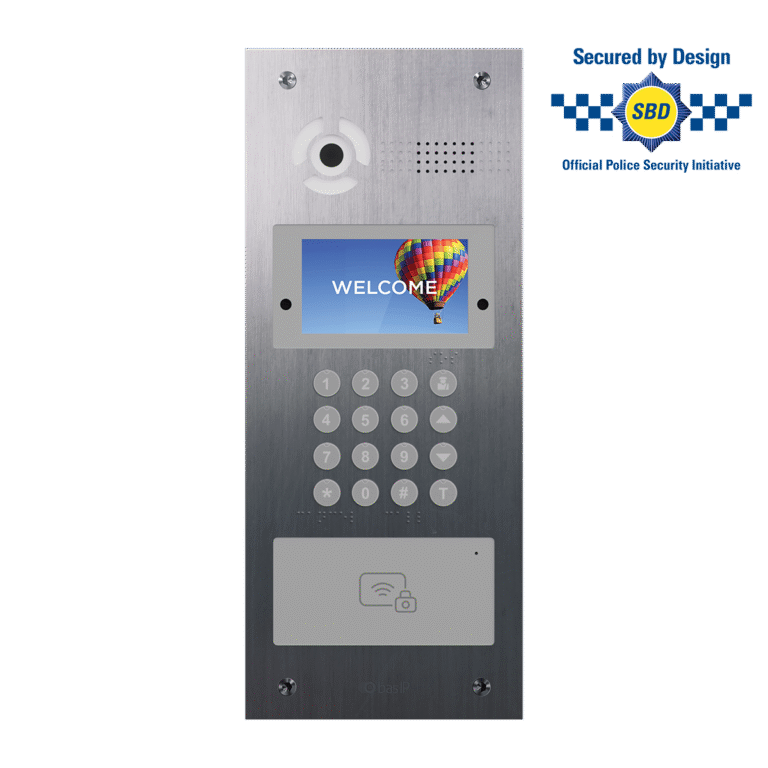
BAS-IP: A Leader in IP Intercom Solutions

BAS-IP is a reputable supplier of IP intercom systems that offers advanced features and advantages over traditional intercom phone systems. Their innovative products deliver high-quality communication and security solutions for residential and commercial environments. Some notable BAS-IP features include:

  1. Video Intercom: BAS-IP systems offer video intercom capabilities, enhancing security and convenience for users.
  2. Mobile App Integration: The BAS-IP mobile app allows users to manage their intercom system remotely, adding another layer of flexibility and accessibility.
  3. Multi-Tenant Support: BAS-IP’s IP intercom systems can support multi-tenant buildings, providing a versatile and efficient solution for property managers and residents alike.
See also  Revolutionize Your Home Security with an IP Door Intercom System with Camera

Frequently Asked Questions (FAQs)

Q: How does an IP intercom system differ from a intercom phone system?

An IP intercom system uses internet protocol (IP) technology for communication, allowing for enhanced audio quality, easy scalability, simplified installation, and seamless integration with other smart devices and security systems. Traditional intercom phone systems rely on analog technology and extensive wiring, which can limit their adaptability and functionality.

Q: Can I upgrade my existing intercom phone system to an IP intercom system?

Yes, it is possible to upgrade your existing intercom phone system to an IP intercom system. This process typically involves replacing the old hardware and reconfiguring the system to work with IP technology. BAS-IP offers solutions to help with this transition.

Q: Are IP intercom systems more expensive than traditional intercom phone systems?

While the initial investment for IP intercom systems may be higher than traditional intercom phone systems, the long-term benefits of easier installation, maintenance, and scalability often offset these costs. Additionally, IP intercom systems offer superior audio quality and integration capabilities, providing more value for your investment.

Q: How secure are IP intercom systems?

IP intercom systems, such as those offered by BAS-IP, are designed with security in mind. They feature advanced encryption and authentication measures to protect against unauthorized access and hacking attempts. Moreover, their seamless integration with other security systems enhances overall security for residential and commercial environments.

Conclusion

As communication technology continues to evolve, IP intercom systems are quickly becoming the go-to choice for residential and commercial properties. While traditional intercom phone systems like those from Doorking and Linear have served their purpose for many years, the advantages of IP intercom systems, such as those provided by BAS-IP, make them a more attractive option for today’s modern world. With enhanced audio quality, easy scalability, simplified installation, and seamless integration with other smart devices and security systems, IP intercom systems offer a future-proof solution for effective communication and security.

See also  New Firmware for Panels
similar articles
Articles

The entry panel is the first point of contact between a building and a person. And if this building is municipal, social, medical, or educational, the panel at the entrance must be clear and convenient for everyone: the hard of hearing, the visually impaired, elderly people, visitors unfamiliar with the system. AV-08FBIL was designed precisely […]

Articles

A video intercom monitor is often treated as just a screen on the wall. In reality, it is one of the key parts of the system: it is the device through which the user receives the call, sees the visitor, speaks with them and manages access. What a Video Intercom Monitor Is A video intercom […]

Articles

When the word “SIP” appears in the specifications of an intercom or entry panel, it often sounds like something purely technical. In practice, the meaning is much more practical. SIP is a protocol used to establish communication between devices on a network. Put simply, it helps one system “call” another, establish a connection, and begin […]

Articles

When people first come across the term “IP video intercom,” it often sounds more technical than it really is. In practice, the basic idea is fairly simple. An IP video intercom is an intercom system that works over a network. In other words, communication between the entry panel, the indoor monitor, and other devices is […]

Articles

An entry panel is often treated as just “the button by the door.” In reality, it is one of the key elements of the intercom system. It is the device through which a call begins, audio and video are carried, and, in some cases, access, identification, and different entry scenarios are handled. So it is […]

Articles

Access control and a video intercom are often treated as though they were the same thing, because both are linked to entering a building. But they are not quite the same. A video intercom is primarily about communication with a visitor: the call, the conversation, the image, and the decision to release the door. Access […]

Articles

What PoE Means in Simple Terms PoE stands for Power over Ethernet. Put simply, it means that the same Ethernet cable can carry both data and power. That means that, for some devices, you do not need a separate network connection and a separate power feed. If the equipment supports PoE, one cable may be […]

Articles

Why This Comparison Is Often Presented Too Simplistically When people talk about the difference between an IP and an analog video intercom, the discussion is often reduced to a crude formula: analog is basic and outdated, while IP is automatically modern and better. That is a convenient story if someone only wants to sell IP […]

Articles

Start Not with the Design, but with the Use Scenario The most common mistake is choosing an entry panel without a clear task in mind. A panel for a private house, a block of flats, an office, or a commercial site is not the same thing. First, answer the basic questions: How many users will […]

Articles

What the Difference Actually Is A flush-mounted panel is recessed into the wall or into a prepared niche, so only the front face remains visible from the outside. That makes the installation look neater and more integrated. A surface-mounted panel is fixed on top of the wall. It protrudes further, but it is usually much […]