Skip to Content
Go back
reading time: 5 mins

Hearing Aid With Induction Loops (Telecoils)

Almost 90 percent of hearing aids has built-in induction coil for transmitting the sound directly into the hearing aid. Telecoils, or t-coils, are small copper wires discreetly coiled inside hearing aids. They can receive electromagnetic signals from various sources and are generally activated easily with the touch of a button. Telecoils work in pairs with a hearing loop system in many public venues worldwide to assist those with hearing loss.

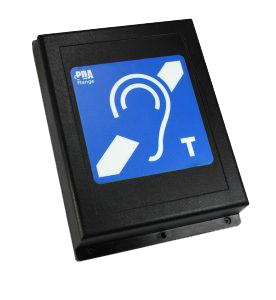
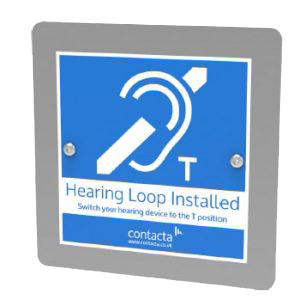
This inductive loop system provides a magnetic, wireless signal that is picked up by hearing devices with telecoils. When hearing aid users are inside the loop, and their t-coil setting is activated, any conversation being broadcast on the facility’s audio system — i.e., a church sermon, classroom lecture, or stage performance — is sent directly to the telecoil in their hearing device. In places where hearing loop systems are installed, you can usually find this sign:

To use telecoil, you must switch your hearing aid into T possition.
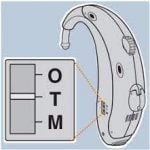
Not all hearing aids have a built-in telecoil; some manufacturers remove them to make hearing aid smaller. You need to ask your hearing healthcare practitioner if your hearing aid supports this technology or find a specification of your model on the internet. Manufacturers usually indicate on their websites which hearing aid model has this function.

Compability of induction loop systems with BAS-IP intercoms

BAS-IP multi-apartment panel model AA-07FB features a built-in audio output stage designed to interface with an external induction loop antenna. A connection can be made using the following scheme:
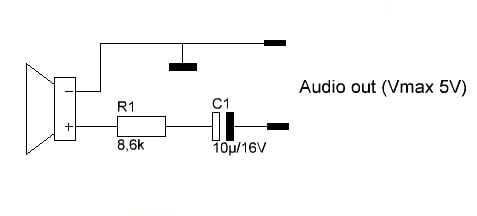

For example, models of induction that can be connected to the intercom:

See also  HVAC Meaning: Unraveling the Secrets of Your Home's Comfort System

Сontacta IL-EL42-PB / IL-EL42-PF                                    PDA103i Loop Kit
                 

similar articles
Articles

A residential development, property management company or PropTech platform may already have its own app. Residents pay service charges, book meeting rooms, submit requests and receive notifications. Then an intercom system is added to the building, and residents are asked to install yet another app just to answer a door call. BAS-IP Mobile SDK removes […]

Articles

Only a few years ago, intercoms and access control lived in separate worlds. One was installed “for residents”, the other “for security”. Today the entry panel sits on the same door as the reader, releases the same lock and writes events to the same log. That means it is held to the same standards as […]

Articles

A new resident is first set up in the system the management team already uses for flats, residents and contact details. Then the same person is created again, this time in the door entry system. Access rights change — two systems need updating. The resident moves out — the record has to be removed twice. […]

Articles

On a single site, the management team may work in a property management platform, the security team in an access control system, and residents in a separate mobile app. If the door entry (intercom) system remains another isolated part of the building, the same users, access rights and events have to be managed in several […]

Articles

A proposal for a cloud intercom system usually makes it easy to find the license price for one year or a longer term. What is much harder to see is what that number actually includes: how many smartphones can be connected, which features are included in the plan, and what costs may appear at renewal, […]

Articles

When evaluating a video intercom system for a multifamily property, owners, developers, and property managers usually want answers to two questions: What will it cost to deploy, and what expenses should they expect after the system goes live? The answer rarely comes down to the price of the entry panel. The budget may also include […]

Articles

Mobile apps have become a standard part of modern intercom systems. Residents can see a visitor and unlock the door from a smartphone, even when they are away from the property. That is why system descriptions often feature an appealing marketing claim: “Free mobile app for residents.” For residents, that claim is often literally true: […]

Articles

Until recently, an indoor monitor was a standard part of a video intercom system: a visitor called from the entrance panel, and the resident answered on a device inside the apartment. Today, that same call can be answered on a smartphone – at home, at work, or on the go. Multifamily owners and property managers […]

Articles

Replacing a door entry panel can appear to be a straightforward technical upgrade: select a suitable device, confirm system compatibility and decide how it will be installed. In London, the route from specification to installation often depends on the status of the building, the ownership of the entrance and any additional controls that apply to […]

Articles

Can a door entry panel be supplied without the manufacturer’s logo on the front? For selected BAS-IP models and project configurations, yes. A logo-free front is one form of bespoke door entry panel customisation. BAS-IP can provide selected multi-occupancy panels for apartment buildings and individual panels for private homes or dedicated entrances without a visible […]