
4 Reasons NOT to Use Wireless Intercom System for Buildings
As technology continues to advance, there has been a significant push towards wireless solutions, including wireless intercom systems for buildings and apartment complexes. Although the convenience of wireless technology is enticing, it is not always the most reliable or cost-effective option for every situation. This article delves into the drawbacks of wireless intercom systems for buildings and why wired systems like BAS-IP remain the superior choice.
Table of Contents
- Use Cases of Wireless Intercom Systems for Apartment Buildings
- The Reality Behind Wireless Intercom Systems
- Advantages of Wired Intercom Systems
- Wired IP Intercom System: BAS-IP
- Optional Wireless Connectivity with BAS-IP Mobile Apps
- Comparison Chart: Wireless vs. BAS-IP
- FAQs
- Conclusion
Use Cases of Wireless Intercom Systems for Apartment Buildings
- Temporary Access Control: In situations where a temporary access control solution is needed, such as during construction or renovation projects, a wireless intercom system can be easily installed and removed once the project is completed.
- Remote Property Management: For property managers who oversee multiple properties, a wireless intercom system can allow them to grant access to visitors and service providers remotely using a smartphone or tablet. This enables efficient property management without the need to be physically present at each location.
- Retrofitting Older Buildings: In some older buildings where it may be challenging or costly to install new wiring for a wired intercom system, a wireless solution could be a more feasible option. However, it is essential to weigh the long-term costs and potential reliability issues against the convenience of a wireless system.
- Supplementing Existing Systems: In cases where an existing wired intercom system may not be sufficient to cover an entire apartment complex or building, a wireless system can be added to supplement the existing infrastructure. This can help extend coverage to areas where running additional wiring may be difficult or impractical.
- Emergency Backup Communication: Wireless intercom systems can serve as a backup communication method in the event of a wired system malfunction or during power outages. While not as reliable as wired systems, having a secondary wireless option can provide added peace of mind in emergency situations.
The Reality Behind Wireless Intercom Systems
While wireless intercom systems for apartment buildings may appear to be a convenient solution, they often come with several disadvantages that could negatively impact users and property managers. Here is a chart outlining some of the most common drawbacks:
Disadvantages of Wireless Intercom Systems for Buildings
| Issue | Explanation |
|---|---|
| Reliability | Wireless systems are prone to signal interference and dropped connections. |
| Security | Wireless systems can be vulnerable to hacking and unauthorized access. |
| Installation Limitations | Some buildings may have structural limitations that impede wireless signals. |
| Long-term Cost | Wireless systems often have higher maintenance and replacement costs. |
Advantages of Wired Intercom Systems
Wired intercom systems offer numerous benefits that make them an ideal choice for buildings and apartment complexes. Some of the advantages include:
- Reliability: Wired systems offer a stable and dependable connection, reducing the risk of dropped calls or signal interference.
- Security: Wired systems are less susceptible to hacking and unauthorized access, ensuring greater safety for residents.
- Ease of Installation: Contrary to popular belief, wired systems can be straightforward to install and maintain.
- Long-term Cost-effectiveness: In the long run, wired systems tend to be cheaper due to lower maintenance and replacement costs.
Wired IP Intercom System: BAS-IP
BAS-IP is a leading provider of wired IP intercom systems, offering a reliable and cost-effective solution for buildings and apartment complexes. This advanced system boasts numerous features, such as:
- High-quality video and audio communication
- Integration with access control and security systems
- Customizable interfaces and configurations
- Scalability to accommodate various building sizes and requirements
Optional Wireless Connectivity with BAS-IP Mobile Apps
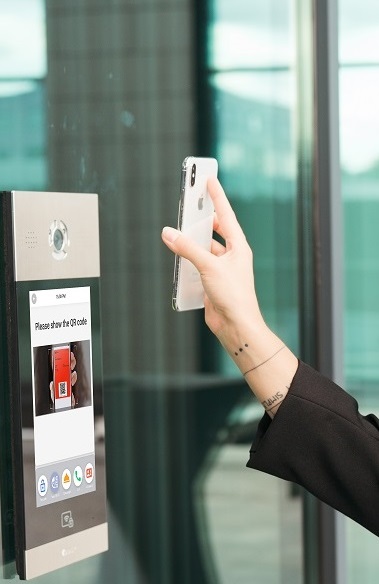

Although BAS-IP is primarily a wired intercom system, it also provides optional wireless connectivity for tenants who prefer to use their smartphones. Both iOS and Android mobile apps are available, allowing residents to communicate with visitors and grant access to the building remotely.
Comparison Chart: Wireless vs. BAS-IP
| Feature | Wireless Intercom System | BAS-IP Wired Intercom System |
|---|---|---|
| Reliability | Moderate | High |
| Security | Moderate | High |
| Installation Ease | High | Moderate |
| Long-term Cost | Moderate | Low |
| Wireless Capability | Yes | Optional (via mobile apps) |
FAQs
Conclusion
As technology advances, the appeal of wireless solutions grows. However, when it comes to intercom systems for buildings and apartment complexes, wired systems like BAS-IP still reign supreme. With advantages such as reliability, security, ease of installation, and long-term cost-effectiveness, wired intercom systems are an excellent investment for property managers and building owners. Furthermore, the BAS-IP system offers optional wireless connectivity through mobile apps, ensuring that tenants can enjoy the best of both worlds.
Property managers and building owners must carefully evaluate the specific needs of their properties and consider both wired and wireless solutions before making a decision.