
Mastering Intercom Design: A Fusion of Aesthetics and Functionality
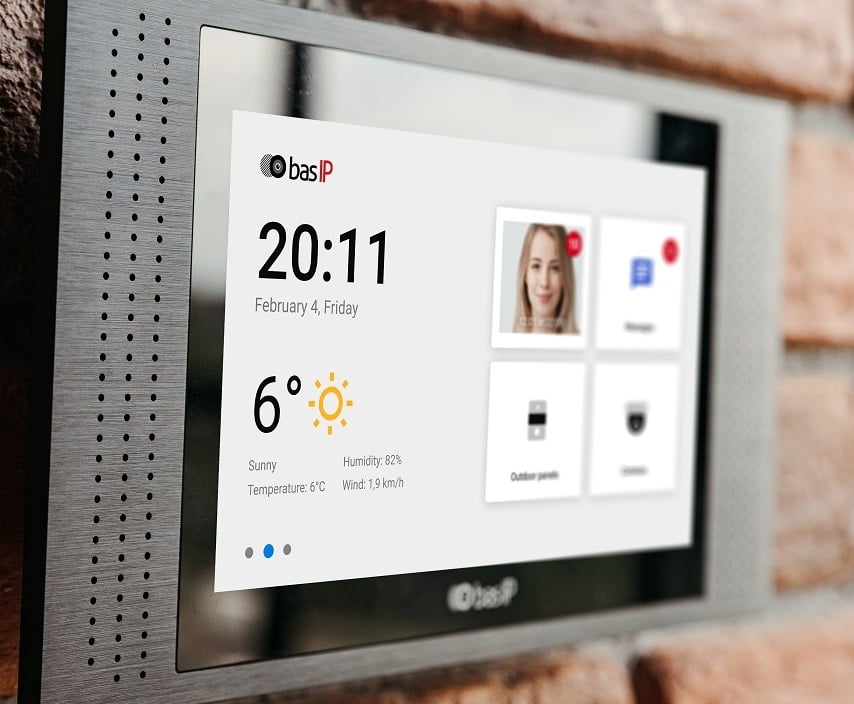
Intercom systems have become an integral part of modern living, shaping the way we interact with our surroundings and providing seamless communication within residential and commercial spaces. As a result, intercom design has evolved tremendously to cater to the requirements of modern apartments and smart city designs. Brands like BAS-IP have consistently pushed the envelope, creating award-winning intercom systems that merge aesthetic appeal with functionality. In this article, we’ll delve into the principles of modern intercom design and discover how good design contributes to creating exceptional user experiences.
The Importance of Design in Intercom Systems
Enhancing Everyday Life
Design is crucial for intercom systems, as it influences how people interact with these devices daily. A well-designed intercom should be user-friendly, visually appealing, and easy to operate. Moreover, it should blend seamlessly with the environment, complementing the overall aesthetics of the space it inhabits.
Recognition through Awards
BAS-IP intercoms have garnered various design awards, such as the Red Dot, Muse Award, European Design, NY Product Design, and Intersec Awards. This recognition highlights the importance of intercom design principles in creating products that stand out from the competition and make a difference in people’s lives.
BAS-IP Awards
At BAS-IP, we hold the conviction that aesthetics and functionality can coexist harmoniously. Our dedication lies in crafting visually attractive and user-centric devices, ranging from elementary exit buttons to key fobs. This guarantees that our clients never need to settle for less in any aspect.





Key Principles of Modern Intercom Design
Aesthetic Appeal
A well-designed intercom system should be visually appealing, incorporating contemporary design elements that blend harmoniously with its surroundings. This involves carefully selecting materials, colors, and textures that enhance the overall look of the device, making it an attractive addition to any space.

User Experience
One of the primary intercom design principles is ensuring a seamless user experience. This involves creating an intuitive interface that is easy to navigate, with clear instructions and minimal learning curves. Furthermore, the intercom system should be compatible with other smart devices, promoting seamless integration and enhancing overall functionality.
Accessibility
Modern intercom design should prioritize accessibility, ensuring that the system is usable by people of all ages and abilities. This includes features like adjustable volume settings, large buttons, and clear visual indicators that cater to the needs of users with varying levels of hearing and vision.
Security and Privacy
Intercom systems play a significant role in maintaining the security and privacy of a space. Design elements should, therefore, include features like encrypted communication, secure access control, and the ability to integrate with existing security systems.
The Future of Intercom Design
Smart City Integration
As cities become increasingly connected, intercom systems will play a vital role in promoting efficient communication and seamless integration with other smart city solutions. Modern intercom design should, therefore, focus on creating systems that can easily adapt to new technologies and support the ever-growing demands of urban life.
Sustainability
Sustainability is another essential aspect of modern intercom design. This involves creating energy-efficient systems, using eco-friendly materials, and adopting manufacturing practices that minimize environmental impact.
Customization and Personalization
In the future, intercom design will likely offer more customization and personalization options, allowing users to tailor the system to their specific needs and preferences. This could involve the ability to customize interface layouts, choose unique finishes, or even integrate custom graphics or artwork.
Conclusion
Intercom systems have come a long way in recent years, with modern intercom design principles emphasizing aesthetics, functionality, user experience, and integration with smart city solutions. Brands like BAS-IP have set the standard for exceptional design, proving that a combination of innovation and attention to detail can yield award-winning products that revolutionize the way we communicate and interact with our environments.
In summary, modern intercom design is about striking the perfect balance between aesthetics and functionality while ensuring seamless integration with the evolving landscape of smart city living. As we continue to move forward, the principles of intercom design will continue to evolve, prioritizing sustainability, customization, and personalization to cater to the unique needs and preferences of users worldwide. By adhering to these principles, intercom systems will undoubtedly become an even more integral component of our daily lives, helping to shape a more connected, accessible, and secure future.