
Cos’è il PoE e perché è utile per i videocitofoni IP
Cosa significa PoE in parole povere
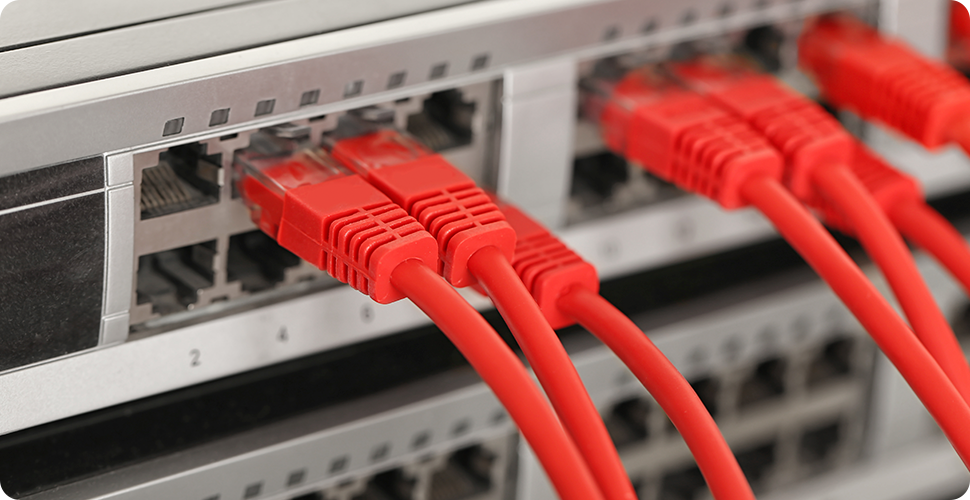
PoE sta per Power over Ethernet. In parole semplici, significa che lo stesso cavo Ethernet può trasportare sia i dati che l’energia elettrica.
Ciò significa che, per alcuni dispositivi, non è necessaria una connessione di rete separata e un’alimentazione elettrica distinta. Se l’apparecchiatura supporta il PoE, un solo cavo può essere sufficiente sia per la comunicazione che per l’alimentazione.
Come si presenta in un sistema di videocitofonia IP
Nei sistemi citofonici IP, il PoE viene spesso utilizzato per i posti esterni, i monitor interni e altri dispositivi di rete. Un cavo parte da uno switch PoE o da un’altra fonte di alimentazione idonea verso il dispositivo, e quella singola linea trasporta sia i dati che la corrente.
In pratica, questo rende lo schema di collegamento più semplice e pulito. Invece di due linee separate, ne avrete una sola.
Perché è utile
Il principale vantaggio del PoE è che riduce il numero di cavi e rende più ordinata la logica di installazione. Ciò diventa particolarmente evidente quando il sistema comprende diversi dispositivi e non c’è motivo di moltiplicare alimentatori e passaggi di cavi aggiuntivi.
Il PoE facilita la vita anche agli installatori: meno punti di alimentazione, meno adattatori separati e meno punti in cui qualcosa può essere cablato in modo errato o disordinato.
Un altro vantaggio pratico è l’alimentazione centralizzata. Se i dispositivi sono alimentati tramite uno switch PoE, sono più facili da monitorare, riavviare e inserire in uno schema di alimentazione di emergenza (UPS).
Cosa offre il PoE a un sistema di videocitofonia IP
Per un sistema citofonico IP, il PoE è utile perché il sistema è già costruito attorno alla rete. È quindi logico che sia i dati che l’alimentazione viaggino attraverso la stessa infrastruttura. Questo è particolarmente comodo in siti con diversi pannelli, monitor interni, una postazione di portineria o sicurezza, controller di accesso e altre apparecchiature basate su rete. Più l’architettura è pulita, più è facile da mantenere e ampliare.
Anche su siti più piccoli può avere un valore: l’installazione può essere più semplice e il sistema risulta solitamente più ordinato e facile da manutenere.
Cosa è necessario controllare in anticipo
Il PoE è utile, ma non significa che ogni dispositivo IP possa essere semplicemente alimentato tramite il cavo di rete senza ulteriori riflessioni.
In primo luogo, il dispositivo stesso deve supportare il PoE. In secondo luogo, è necessario sapere quale standard PoE e quale livello di potenza richiede. In terzo luogo, anche lo switch o l’iniettore devono soddisfare tali requisiti. Anche se state già considerando un marchio specifico, come BAS-IP, il supporto PoE e i requisiti di alimentazione devono comunque essere verificati modello per modello. Non si può dare per scontato che ogni pannello IP o ogni monitor interno dello stesso marchio sia alimentato esattamente allo stesso modo.
Vale anche la pena ricordare che non tutte le parti del sistema sono necessariamente alimentate allo stesso modo. Un dispositivo può funzionare tramite PoE, mentre un altro può richiedere ancora un alimentatore separato.
Ci sono limitazioni?
Sì. Come ogni soluzione tecnica, il PoE ha dei limiti.
Il PoE non elimina la necessità di pensare alla qualità della rete, alla lunghezza dei cavi, al bilancio di potenza (power budget) e alla compatibilità delle apparecchiature. Se il sito è complesso, il sistema deve comunque essere progettato correttamente, piuttosto che essere trattato come se un solo cavo potesse risolvere tutto da solo.
In altre parole, il PoE semplifica il sistema, ma non sostituisce una solida progettazione tecnica.
Quando il PoE ha un senso particolare
Il PoE è particolarmente utile quando il sistema citofonico IP viene costruito come parte di una più ampia infrastruttura di rete di un sito. Può trattarsi di un ufficio, un edificio residenziale, una proprietà commerciale o una moderna casa privata.
Più dispositivi di rete sono presenti nel sistema, più evidente diventa il valore: c’è meno necessità di alimentatori separati e linee elettriche aggiuntive.
Se desiderate la versione breve
Il PoE è la trasmissione di energia e dati su un singolo cavo Ethernet.
Per i videocitofoni IP, è utile perché semplifica l’installazione, rende il sistema più ordinato, aiuta a centralizzare l’alimentazione e si inserisce naturalmente in un’architettura basata sulla rete.